Daily Summary of Science & Space · Live edition, updated continuouslySunday 29 November 2026 · UTC
Latest Science & Space News Today: 29 November 2026
New models hint at a hidden planet, core carbon and early black holes
A new solar system model points to a possible planet of one to two Earth masses beyond Pluto, while a separate study suggests Earth's core carbon arrived from the outer Solar System. Researchers in Germany also proposed that exploding primordial black holes reheated the very young universe after the Big Bang.
Model suggests a possible two Earth mass planet beyond Pluto
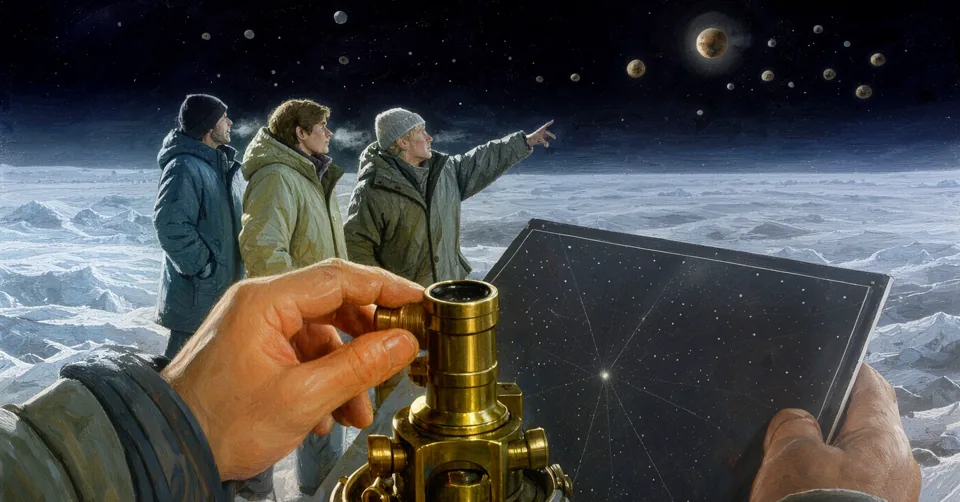
A study in the Monthly Notices of the Royal Astronomical Society used computer models of the early solar system to test whether unusual Kuiper Belt orbits point to a hidden planet. Researchers from Japan, the United States and Australia found that a planet with about one to two Earth masses, called Planet X2, best explains the orbits, while planetary embryos do not. It could change how the solar system's history is understood.
Earth's core carbon may have come from the outer Solar System
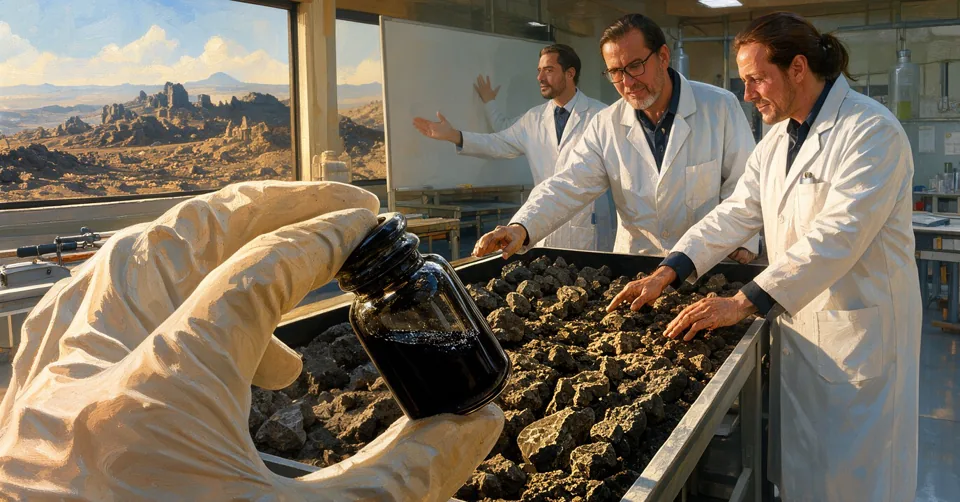
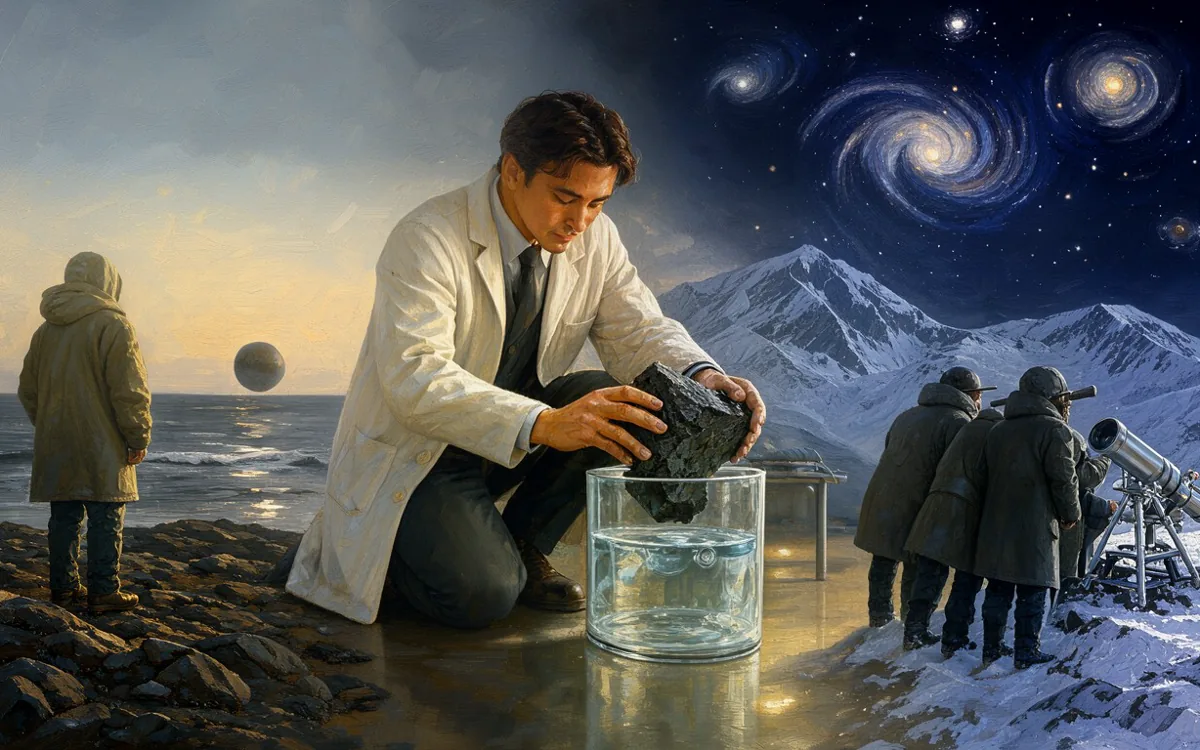
A study led by researchers at Yale and Columbia suggests that Earth's core carbon came from the outer Solar System during the late stages of planetary development. The team, led by Yves Mousallam, analyzed magma droplets from historic Hawaiian eruptions and found a heavy carbon-13 signature linked to the core and mantle boundary. The finding challenges the earlier view that Earth's carbon originated in the inner Solar System.
Exploding primordial black holes may have reheated the early universe
Researchers from the PRISMA++ Cluster of Excellence and Mainz Institute for Theoretical Physics in Germany propose that exploding primordial black holes reheated the very young universe after the Big Bang. Their study in Physical Review Letters modeled black holes of various sizes, challenging the idea that they were all the same size. The work tests whether their gravitational waves were small enough not to disturb early cosmic chemistry.

 Illustration