Daily Summary of Science & Space · Live edition, updated continuouslyTuesday 24 November 2026 · UTC
Latest Science & Space News Today: 24 November 2026
Record quasar found as Iwo Jima eruption adds new beach
Astronomers have found the most distant quasar to date, 630 million years after the Big Bang, tightening constraints on early black hole growth. A submarine eruption near Iwo Jima has added about 50 hectares of new beach, while a growing lava dome is visible at Russia's Shiveluch volcano. Direct-to-cell satellite technology could let standard phones connect to satellites and limit government internet blackouts.
Satellite image shows growing lava dome at Russia's Shiveluch
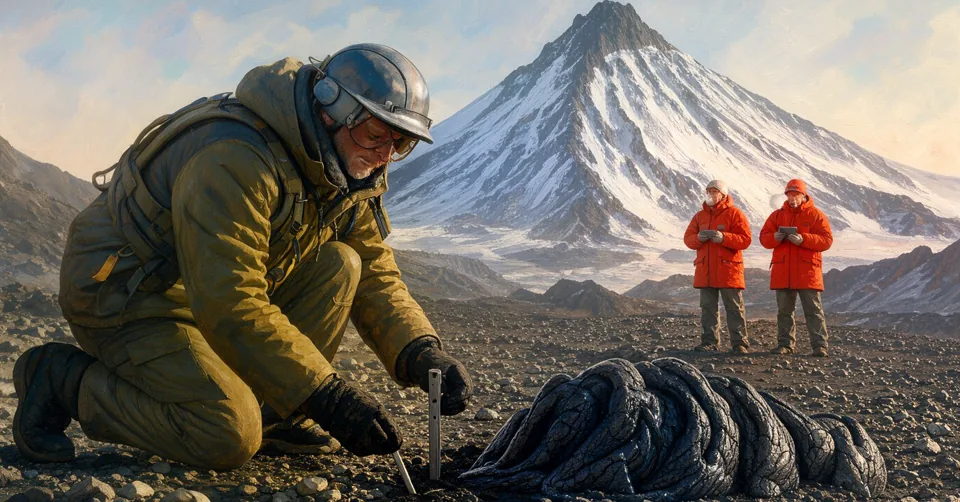
A satellite image shows a growing lava dome at the summit of Shiveluch, a snow-covered stratovolcano on Russia's Kamchatka Peninsula. The volcano has been erupting since 1999 and is one of the planet's most active, with at least 15 eruptions in the past 100 years. Earth Observatory says the dome's lava is extruded slowly and piles up in lobed, sloped or spine-like shapes, like toothpaste squeezed from a tube.
Direct-to-cell satellite internet could limit government blackouts
Emerging direct-to-cell satellite technology could let standard, unmodified mobile phones connect to low Earth orbit satellites without Starlink terminals. Iran's deputy communications minister said it may make blackouts impossible by weakening device registration and user identity checks.
SpaceX and AST SpaceMobile are investing billions, with SpaceX planning a next generation constellation in 2027 and commercial rollout in the first half of 2028.
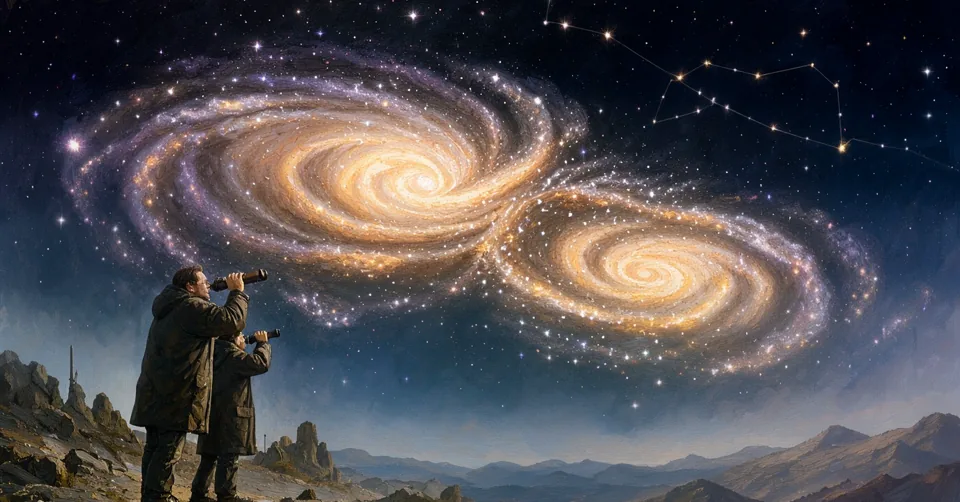
NASA's Astronomy Picture of the Day features the NGC 7771 Group, a set of galaxies almost 200 million light-years away toward Pegasus. The largest, barred spiral NGC 7771, is about 75,000 light-years across, while nearby spiral NGC 7769 is almost as large. Repeated close passages are expected to merge the group into one very large galaxy, a process that helps explain the possible Milky Way and Andromeda merger.
Iwo Jima eruption appears to have added roughly 50 hectares of new beach
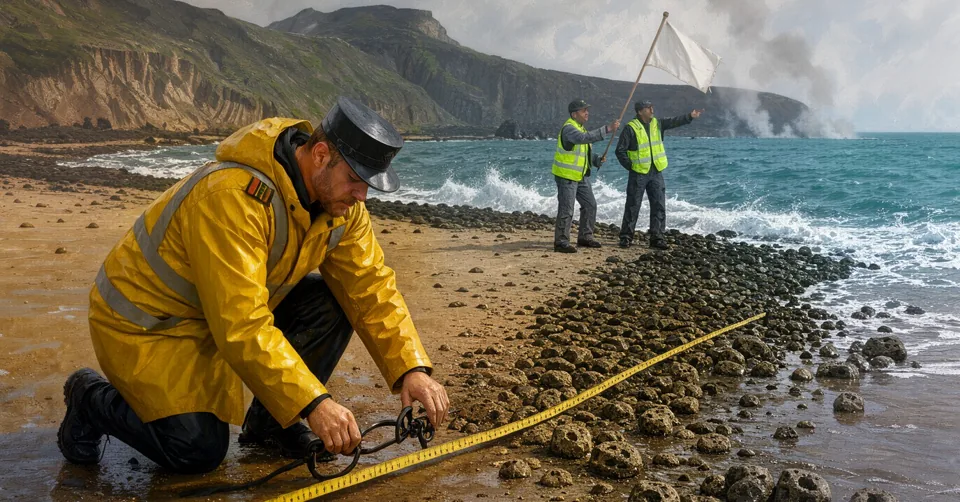
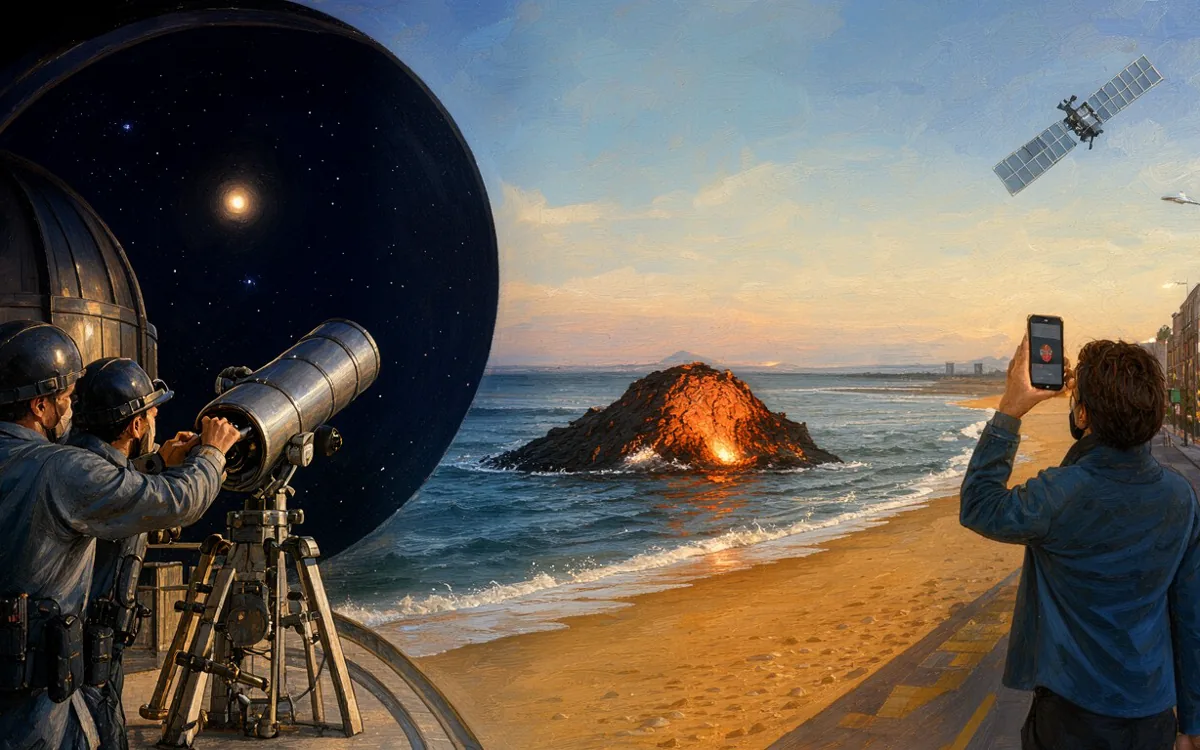
A submarine eruption near Iwo Jima's southeast shore appears to have added roughly 50 hectares of new beach, which would enlarge the island by about 1.7 percent. Japan's Coast Guard confirmed on November 16 that the new land is connected to the existing beach, while satellite data show heat, plumes and pumice. The new land may not last, because land built by a 2023 eruption off the same coast was lost to waves after a few weeks.
Most distant quasar found 630 million years after Big Bang
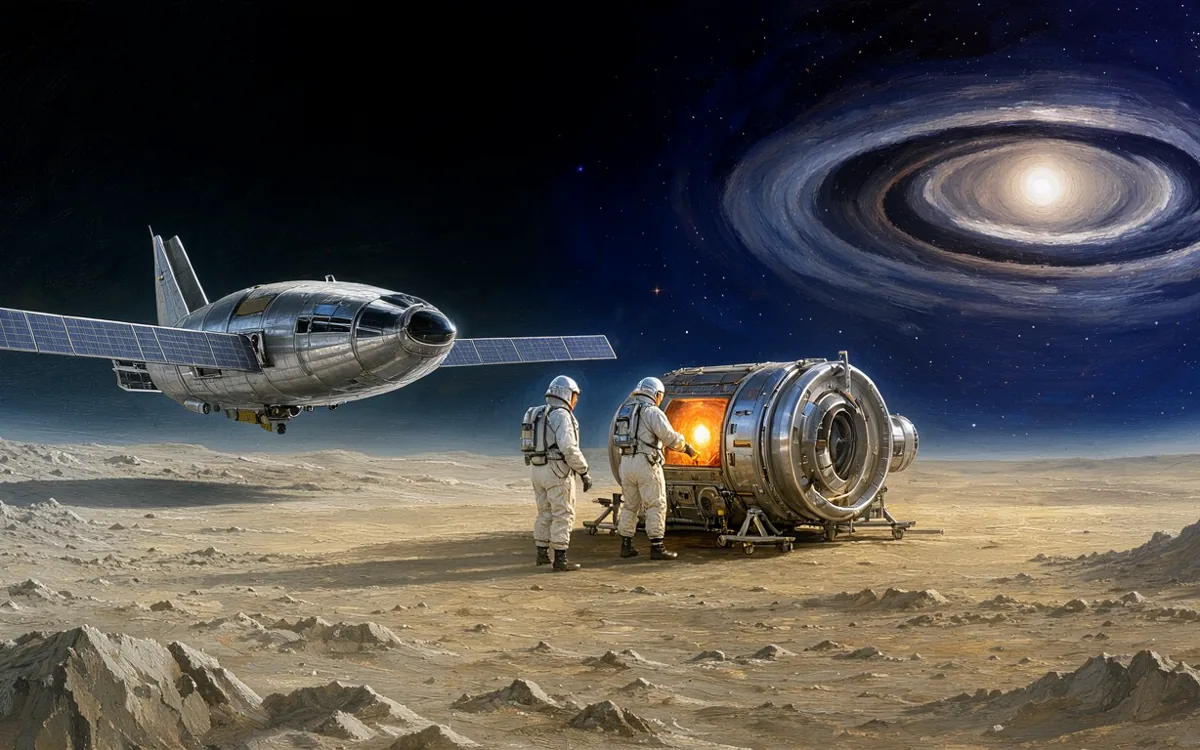
Astronomers led by Julien Wolf have identified the most distant quasar to date, nicknamed Dun Aonghasa, at a redshift of 8.13. Observations with ground and space telescopes placed it 630 million years after the Big Bang, 40 million years earlier than the previous record holder. Its supermassive black hole is several hundred million times the mass of the sun, tightening constraints on how early black holes grew.

 Illustration