Daily Summary of Science & Space · Final editionSaturday 28 November 2026 · UTC
Science & Space News: 28 November 2026
BepiColombo captures Mercury orbit as Venus research points to a wetter past
BepiColombo achieved Mercury orbit insertion on 21 November after an eight-year journey, setting up science operations expected to begin in April 2027. A Venus experiment in a NASA pressure chamber tested how rocks might preserve evidence of a wetter past, while a proposed nuclear pathfinder to Ceres would create an interplanetary transport node. Dust grains from the Kuiper Belt also show signs of water with heavy oxygen isotopes.
NASA pressure-cooker tests hint at Venus's watery past
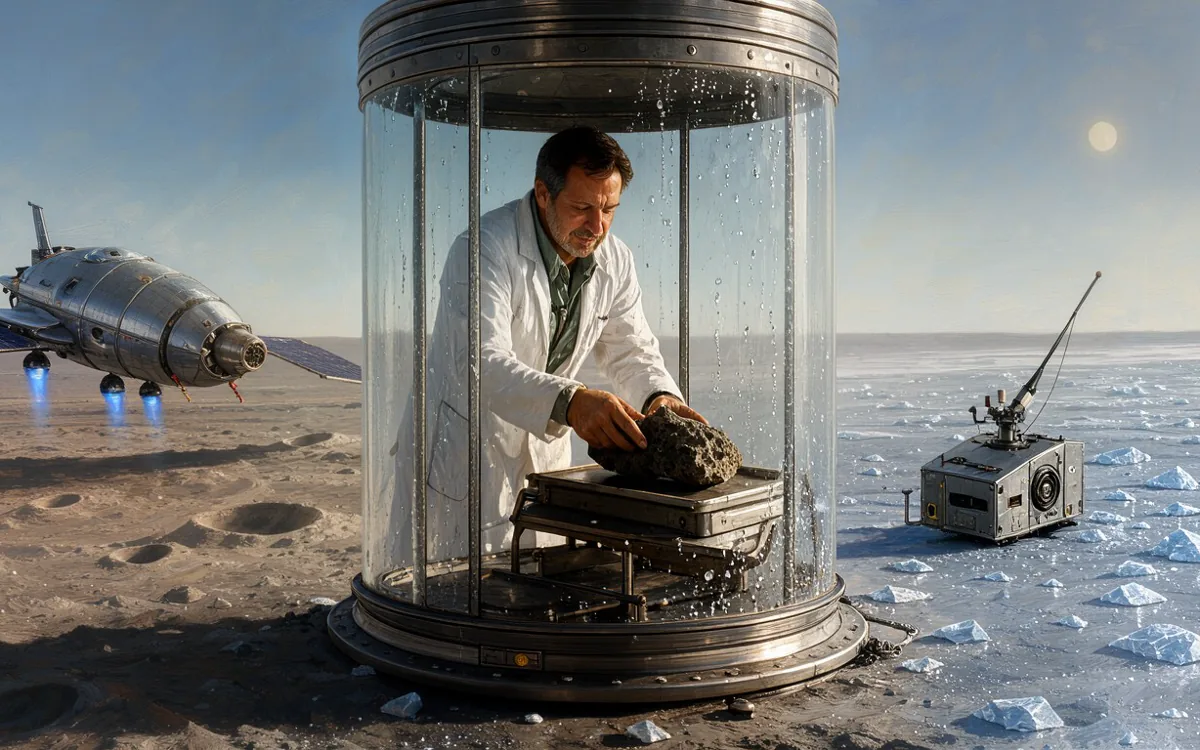
Researchers at the University of Texas San Antonio used NASA's Glenn Extreme Environment Rig to expose carbonate and water-bearing minerals to conditions resembling Venus's lower atmosphere. The 811-liter chamber held the samples for 60 days, testing how surface rocks might record a wetter past. The study, available in The Planetary Science Journal, examines whether rock changes could indicate water once existed on Venus.
Kuiper Belt dust grains hold secrets of heavy water
NASA's ER-2 aircraft captured 12 dust grains in Earth's stratosphere that scientists say came from the Kuiper Belt beyond Neptune. The grains show mineral changes linked to water containing heavy oxygen isotopes, suggesting a reservoir of such water in the outer solar system. The findings may help explain how materials were distributed when planets formed 4.5 billion years ago.
Cannabis seeds and hair in Siberian tomb point to 2,800-year-old psychoactive use
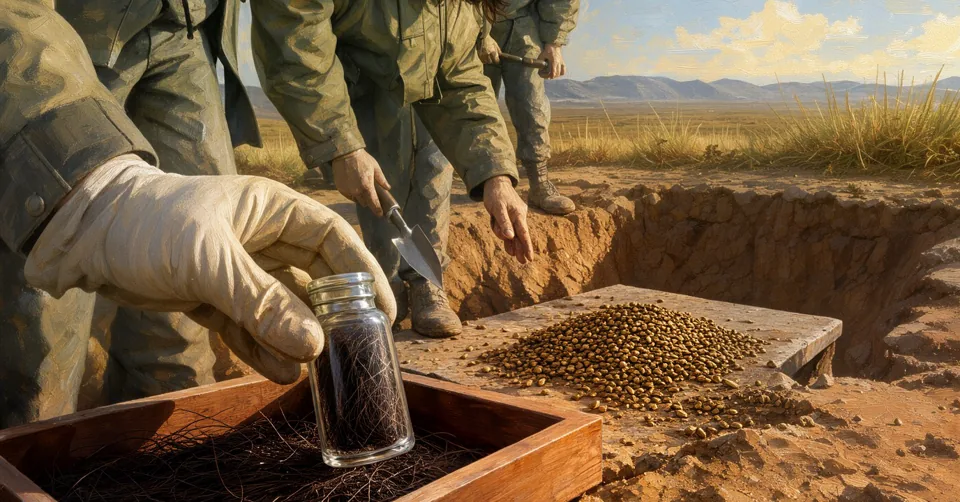
Archaeologists working at a Scythian tomb in southern Siberia found more than 1,000 cannabis seeds and preserved human hair containing active compounds. Radiocarbon dating places the material at least 2,800 years ago, at least 300 years earlier than previously known cannabis use in neighboring China. The team says the plant was deliberately deposited in the tomb, but it is not clear whether it was inhaled or ingested.
BepiColombo captures Mercury orbit after eight-year trip
The ESA and JAXA BepiColombo spacecraft achieved Mercury orbit insertion on 21 November at 18:27 UTC, eight years, one month and one day after launch. The journey included one Earth flyby, two Venus flybys and six Mercury flybys. The team will adjust the orbit over coming months, with science operations expected to begin in April 2027.
Nuclear pathfinder to Ceres proposed as first interplanetary transport hub
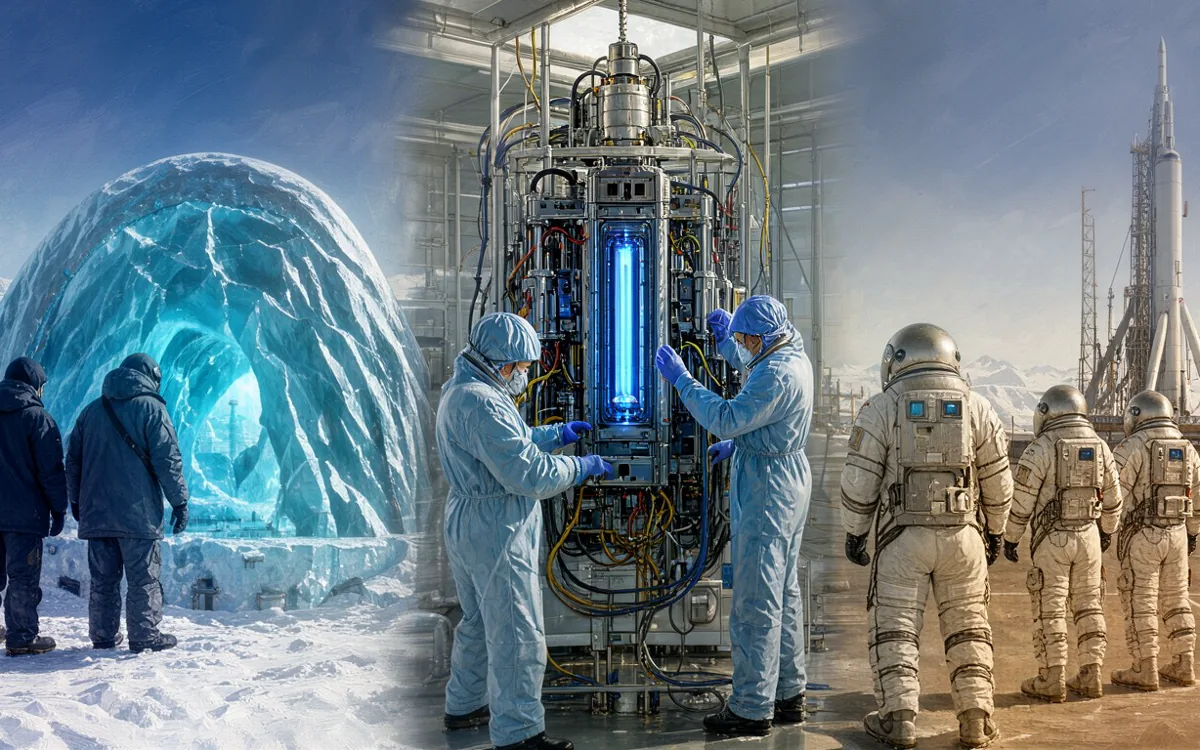
A new proposal would send a nuclear thermal propulsion spacecraft to Ceres as a pathfinder for an interplanetary transport node. The Project CERES mission, with a proposed January 2037 launch, would arrive in a little over a year, survey the dwarf planet, land, extract water and return samples within five years. The design combines a small fission reactor with in-situ production of water, hydrogen, oxygen and ammonia.

 Illustration