Daily Summary of Science & Space · Live edition, updated continuouslyThursday 26 November 2026 · UTC
Latest Science & Space News Today: 26 November 2026
Peregrine habitat may grow as Windermere charr face decline
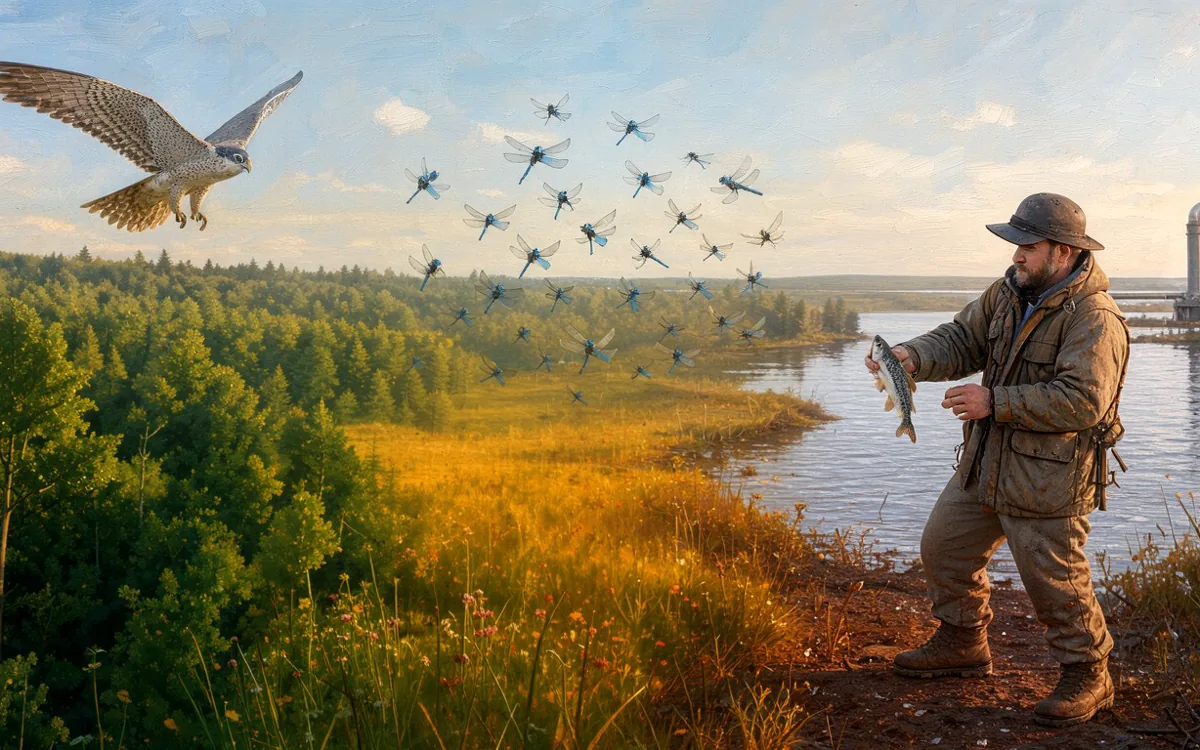
A University of Nottingham study projects that suitable UK habitat for peregrine falcons could grow by 74% by 2080 under a high-emissions scenario, while some other raptors may lose ground. New research shows dragonflies form an aerial food web during autumn insect migrations in the Pyrenees. In England, Arctic charr in Windermere are in serious decline from sewage pollution, invasive species and warming.
Whitehouse urges PM to save Windermere Arctic charr
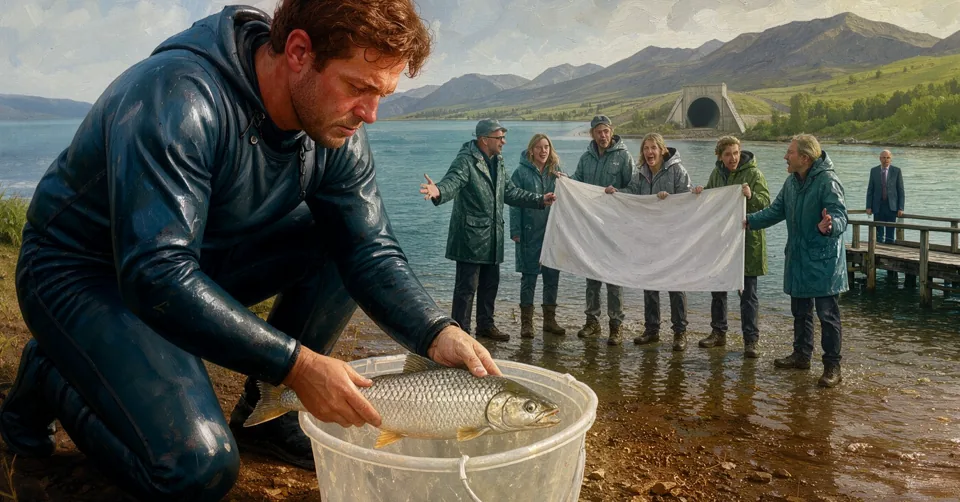
Paul Whitehouse has urged Prime Minister Andy Burnham to save Arctic charr in Windermere, where the fish have lived for more than 10,000 years. Freshwater Biological Association research says the genetically distinct populations are in serious decline from sewage pollution, invasive species and warming. Campaigners want a £3.7bn sewage tunnel and treatment scheme to prevent extinction in England's largest lake.
NASA APOD shows Milky Way over Lençóis park in Brazil
NASA's APOD shows the Milky Way over the white sand dunes and dark lagoons of Lençóis Maranhenses National Park in Brazil. The composite image, taken in July from about 2 degrees south latitude, shows dark dust lanes and colorful nebulas. A wide-angle lens makes the galaxy appear arched, and its curve over a lagoon creates the illusion of a cosmic eye.
Stoats reach New Zealand refuge island by swimming
Resolution Island in New Zealand's Fiordland was proposed in 1872 as a refuge for native birds such as kiwi and kākāpō, and was designated a reserve in 1891. Caretaker Richard Henry later moved more than 700 birds, mostly kiwi and kākāpō, by rowboat to the island and nearby sanctuaries. But stoats began appearing there in 1900, showing that the island was within swimming distance for predators despite its intended predator-free status.
Dragonflies prey on migrating insects in Pyrenees pass
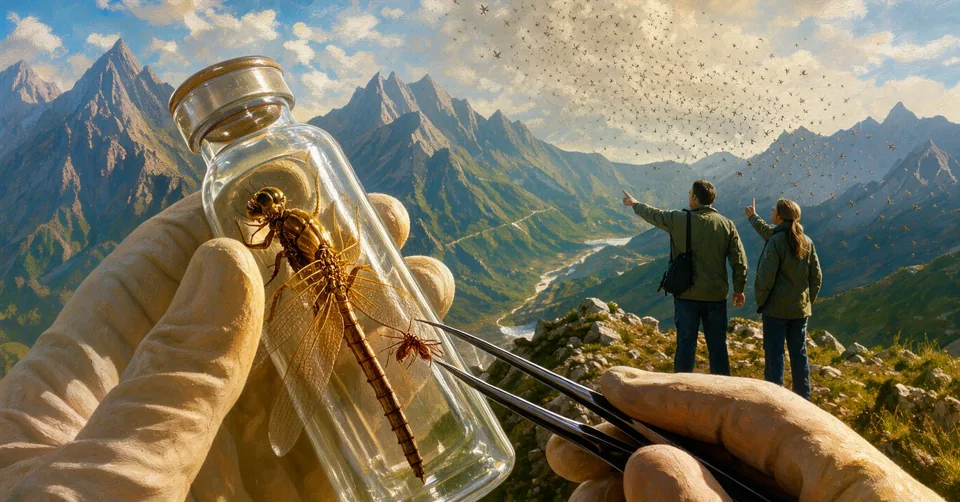
Researchers at the Pass of Bujaruelo in the Pyrenees used gut DNA to show dragonflies eat many migrating insects, including each other. Almost all lesser emperor samples contained smaller darter dragonflies, revealing an aerial food web as insects move across landscapes and borders. The Ecography study suggests migration concentrates species and creates new predator and prey interactions.
UK peregrine falcon habitat could grow 74% by 2080
A University of Nottingham study projects that suitable UK habitat for peregrine falcons could grow by 74% by 2080 under a high-emissions climate scenario. The author says expansion could support more breeding territories, but only with active conservation, while hen harriers may gain and white-tailed eagles and short-eared owls may lose area.
The British Trust for Ornithology estimates UK peregrine pairs have fallen by 57% between 1995 and 2024, to an estimated 1,750 to 1,800 pairs.

 Illustration