Daily Summary of Science & Space · Live edition, updated continuouslyThursday 12 November 2026 · UTC
Latest Science & Space News Today: 12 November 2026
Euclid maps over 900 million galaxies as Webb finds early quasars
Euclid released its first data set, mapping more than 900 million galaxies and 15,000 strong lensing candidates to test dark matter and dark energy. Webb and Gemini North found the earliest known pair of supermassive black hole quasars, seen 900 million years after the Big Bang. Hera released an early image of Didymos and part of Dimorphos ahead of a close crash site survey.
UK military taps astronomers to spot snooping foreign satellites
UK military and spy agencies are working with civilian academics to develop cheaper ways to detect foreign satellites that may be snooping on UK space assets. Researchers say ground telescopes can watch many suspect objects at once and infer details such as composition, solar panels or antennae from images and reflected light. The effort aims to reduce UK reliance on US help and close a capability gap in spacecraft inspection.
NASA's Hubble has released a gallery of gravitational lenses that will help prepare follow up observations by the Nancy Grace Roman Space Telescope. The lenses, created when foreground mass bends light from distant galaxies, let astronomers build models of foreground mass and test dark matter theories. Hubble's high resolution visible and ultraviolet images may also reveal small imperfections in lens arcs that point to clumps of dark matter.
Webb finds earliest pair of black hole-powered quasars
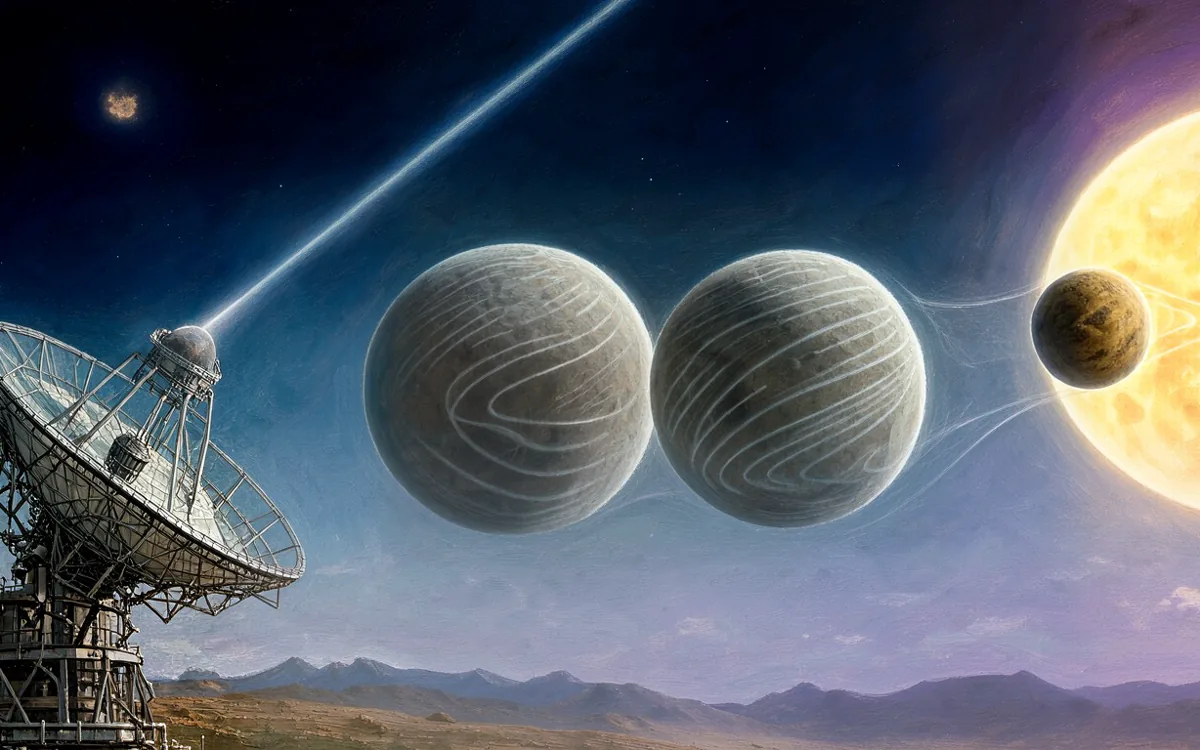
Astronomers using the James Webb Space Telescope and Gemini North found the earliest known pair of supermassive black hole quasars, designated J1602+4228AB. The pair, nicknamed Nāpōwawāʻenakaulua, is seen 900 million years after the Big Bang and is separated by 18,100 light-years. Its black holes have masses of 1.5 billion and 400 million suns, leaving no definitive explanation for their early growth.
Euclid's first data release maps over 900 million galaxies and lensing candidates
The European Space Agency's Euclid mission released its first data set, covering about 14% of the sky it will map and capturing more than 900 million galaxies and over 60 million potential quasars. It includes about 15,000 strong gravitational lensing candidates, an effect boosted by dark matter. Researchers say the data can help test theories of dark matter and dark energy, which are thought to make up about 70% and 25% of the universe.
Governor's shoe and slave-trade currency rings found on mutiny shipwreck
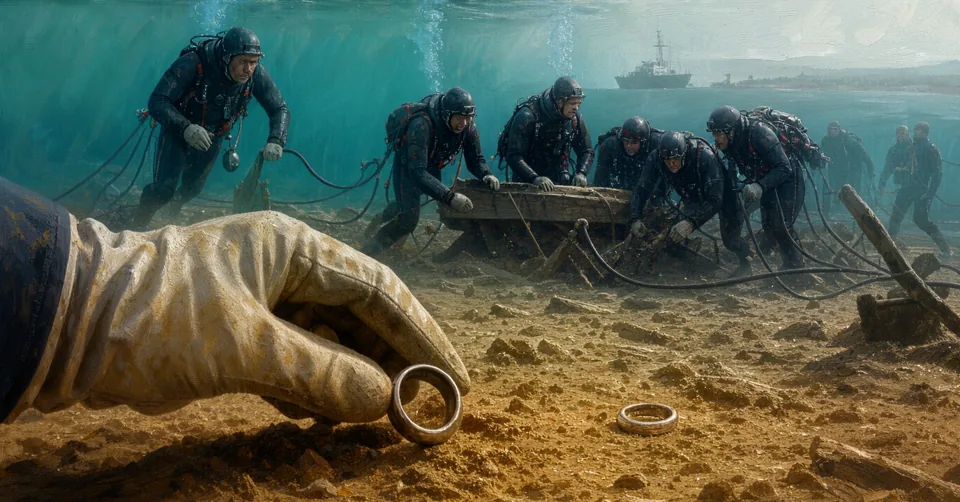
Archaeologists found a fine shoe and two slave-trade currency rings on a 17th-century Danish shipwreck off Sweden. The items were lost when the frigate Havmanden mutinied in 1683, after crewmembers and convicts seized the ship near the Azores and threw officers, including first Danish West Indies governor Jørgen Iversen Dyppel, overboard. The wreck lies east of Gothenburg, and the discovery sheds light on one of Denmark's most violent mutinies.
Japan's forests are shifting toward trees adapted to warmer climates
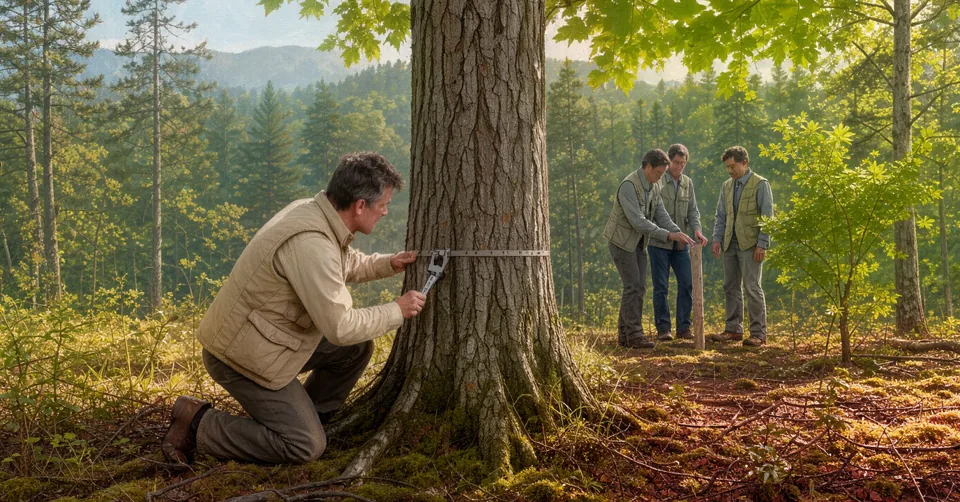
Osaka Metropolitan University researchers compiled monitoring data from 191 forest plots across Japan from the 1950s to 2020. They found that higher temperature increases were linked to higher total basal area, while faster precipitation increases were linked to lower total basal area. Cold-adapted boreal conifers declined in relative dominance, while warm-adapted deciduous broadleaved trees increased in some regions.
Tropics were not always the most diverse marine environments, study finds
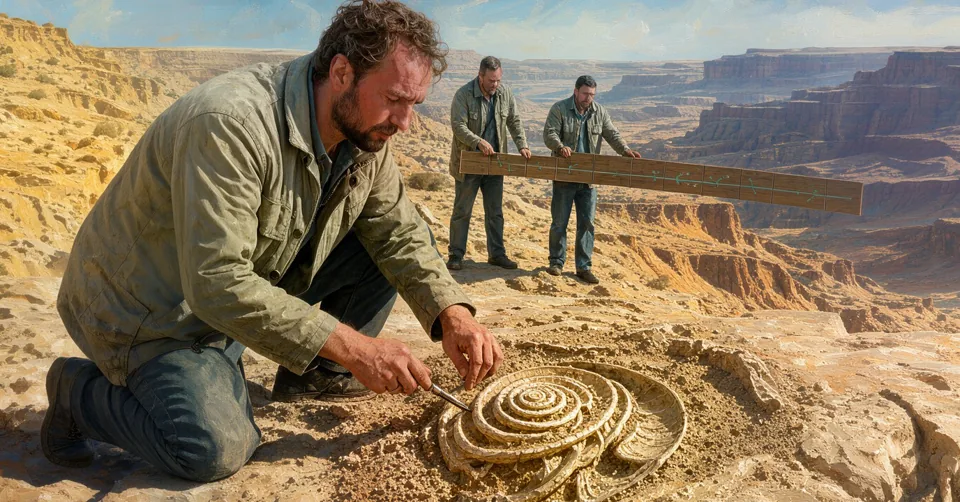
Researchers at Nanjing University and University College London analyzed marine invertebrate fossils spanning roughly 500 million years. Their study found that today's tropical diversity peak has not been constant, shifting with long-term climate changes. In colder periods, marine invertebrates were typically more diverse near the equator, with diversity falling steeply at higher latitudes.
Year-long research begins on impact of microplastic spill in River Tyne
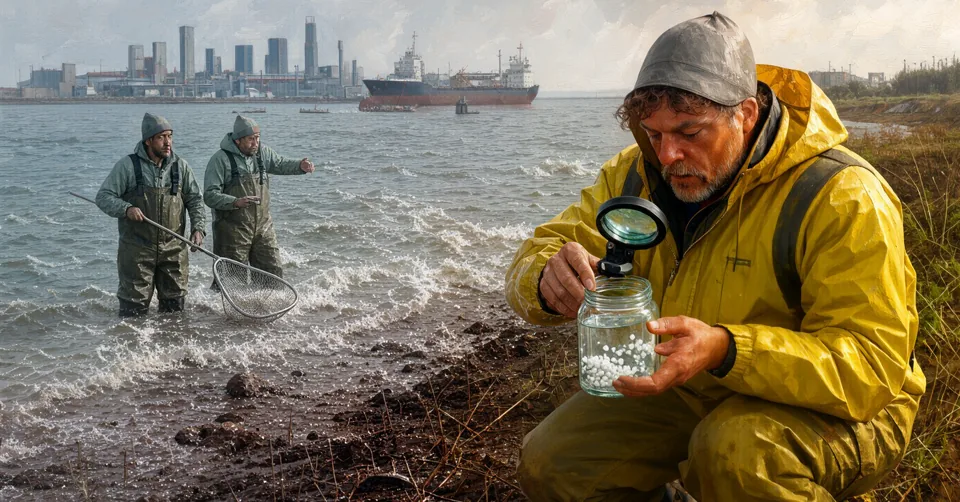
A team of scientists from Newcastle University and the University of Liverpool will spend the next year researching the effects of a microplastic spill in the River Tyne. The spill occurred on July 19 following a ship collision at the Port of Tyne, releasing tonnes of nurdles into the water.
The research, funded by the National Environment Research Council, will investigate impacts on sea birds, fish, and the wider food chain, as well as mapping the spread of the pellets.
SpaceX launches second classified Space Force mission in six days
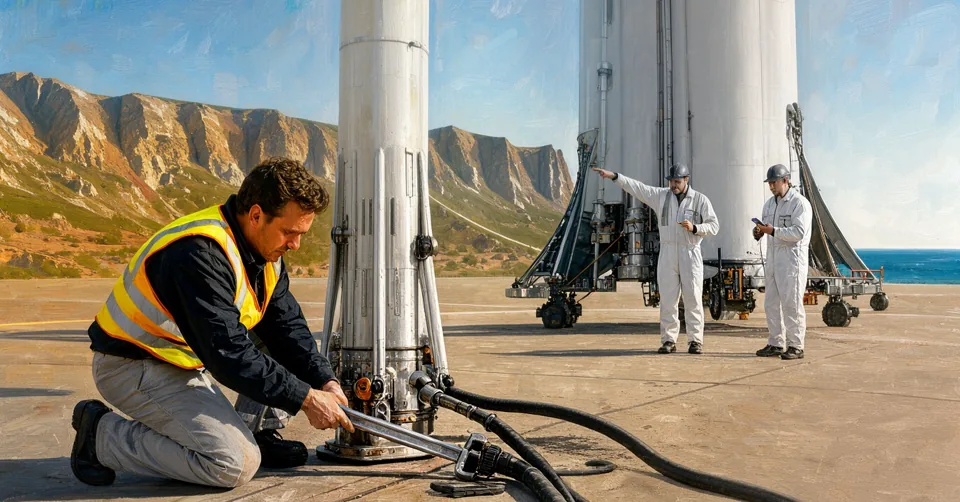
SpaceX launched a Falcon 9 rocket carrying the classified USSF-627 mission from Vandenberg Space Force Base on November 11. This was the second such flight for the U.S. Space Force in a six-day span, following the USSF-432 launch on November 6. Experts speculate the missions may have deployed Starshield satellites for space-based sensing, though SpaceX did not reveal details. The launch marked the 120th Falcon 9 flight of 2026.
NASA highlights carbon storage in Scotland's Flow Country peat bogs
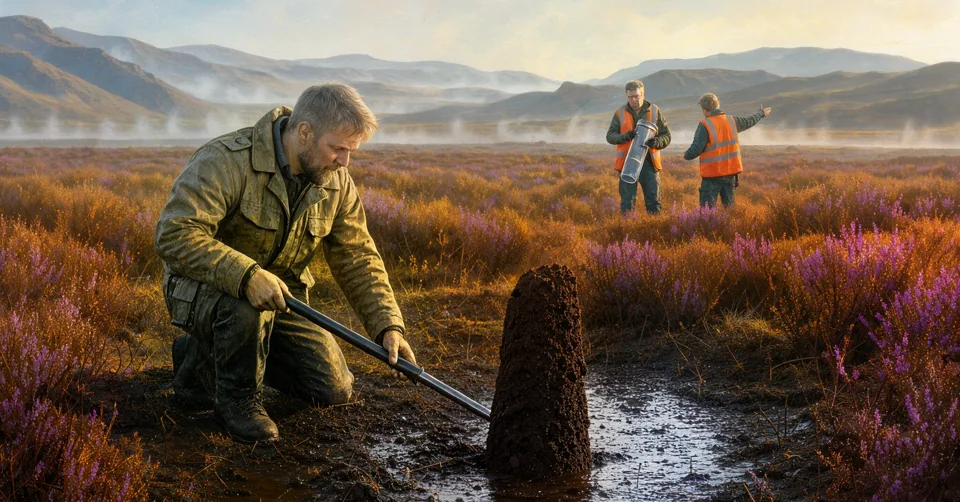
NASA's Earth Observatory highlighted the blanket bogs of Scotland's Flow Country, which store vast amounts of carbon due to waterlogged soils that prevent the full breakdown of plant material. These peat bogs, the largest such ecosystem in Europe, have been accumulating peat for over 9,000 years, with deposits exceeding eight meters thick.
The Flow Country is the first of its type to be inscribed as a UNESCO World Heritage Site, covering 1,900 square kilometers of the Scottish Highlands.
Light-controlled tool can switch cellular recycling on and off
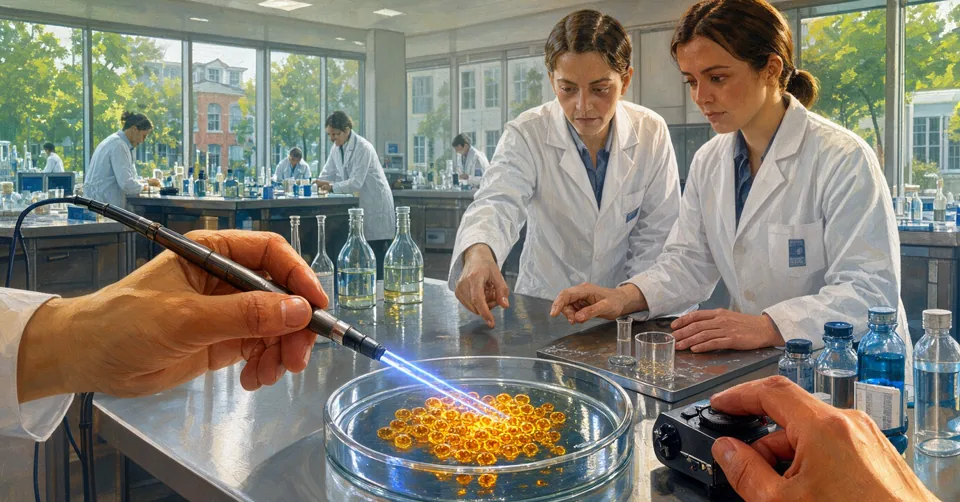
Salk researchers introduced ASAP, a light-based tool that rapidly, precisely and reversibly turns autophagy, the cell's recycling process, on and off. The study in Nature Cell Biology used the tool to confirm suspected autophagy targets, reveal new ones and suggest a link between protein building and protein breakdown. The finding may help researchers study autophagy in diseases such as neurodegeneration, cancer, aging and infection.
Europe's Hera begins close inspection of asteroid hit by NASA's Dart
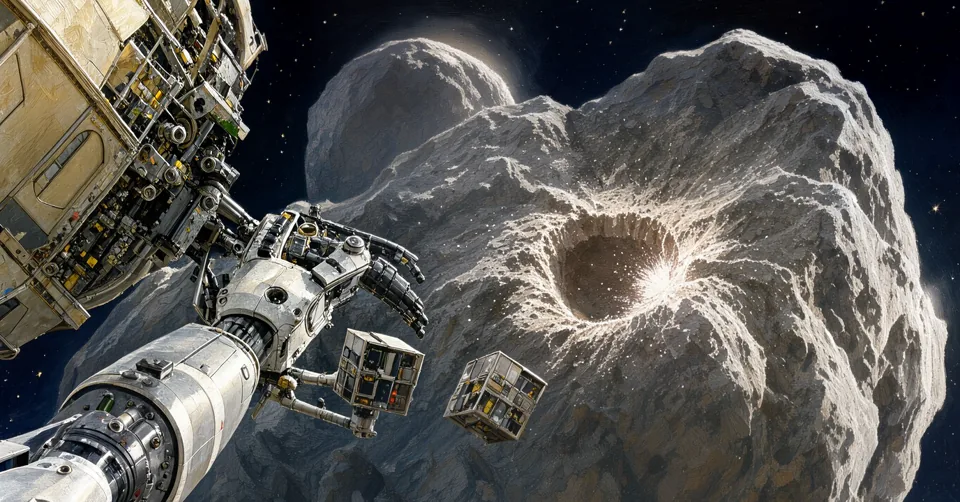
The European Space Agency said Hera has begun close inspections of Didymos and its moonlet Dimorphos from 25 to 30 kilometers away, after NASA's Dart struck Dimorphos in 2022. The mission will move to 20 kilometers next month and carry two Cubesats to survey Dimorphos and attempt a landing on the 151-meter moonlet. The test showed a spacecraft impact can alter an asteroid's orbit, offering a possible defense method for Earth.
Study separates potential and electric field effects on catalysts
Researchers at the Interface Science Department showed that applied potential and electric fields can both affect electrochemical reactions at solid-solution interfaces. In Nature Chemistry, the team independently controlled the potential and the electric field at a fixed potential to study activation parameters. The work may help reduce overpotential in fuel cells and water electrolyzers, improving conversion efficiency.
Earth may have made much of its own water during formation
New research in Nature Geoscience suggests that chemical reactions between rocky pebbles and the hydrogen-rich atmosphere of the young Earth could have produced large amounts of water. University of New Mexico scientists recreated high-temperature conditions and found that iron-bearing rocks reacting with hydrogen can make water within minutes. The finding offers another route for Earth to acquire water and may make habitable worlds more common.
Curiosity rover completes drill campaign at Nazca site on Mars
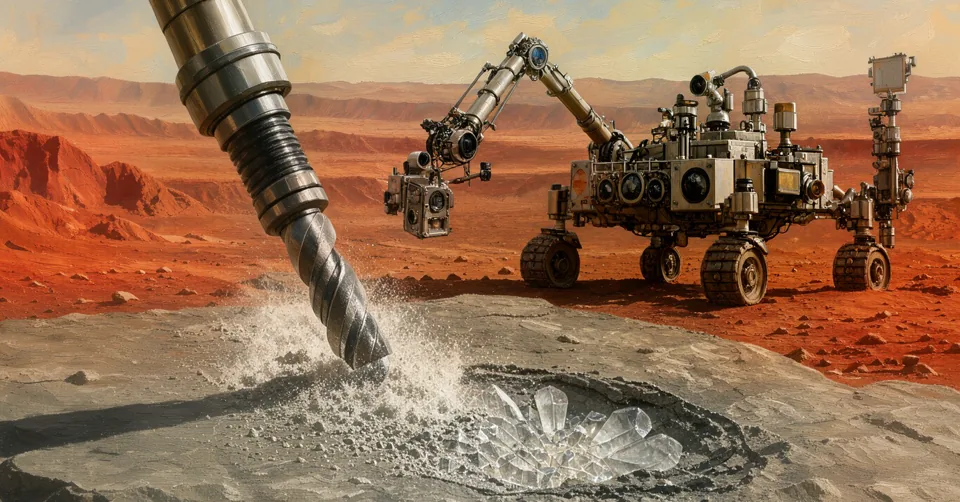
NASA's Curiosity rover completed a drill campaign at the Nazca site on Mars, targeting bedrock with unusual disk-shaped crystal forms. Samples were analyzed by the Sample Analysis for Mars instrument, while other instruments captured images and spectral data of the crystal formations. The rover also conducted environmental observations, including a dust devil survey and imaging of Phobos eclipsing the Sun.
Curiosity is now planning to drive away from the site to continue its exploration.
Study links reduced Arctic sea ice to summer droughts in Eurasia
A new study in Frontiers in Water found a mechanistic link between reduced winter sea ice in the Barents and Kara seas and increased summer drought risk across eastern Europe and western Kazakhstan. The research suggests that winters with significantly less sea ice than usual could serve as an early indicator of drought in the following summer.
The study highlights the rapid warming of these Arctic waters, which have seen some of the steepest declines in winter sea ice since the 1980s.

 Illustration