Daily Summary of Science & Space · Live edition, updated continuouslySunday 8 November 2026 · UTC
Latest Science & Space News Today: 8 November 2026
Swift burns over Sumatra as Ukraine builds space systems and NASA opens Moon Base contest
NASA's Swift Observatory burned up over Sumatra after 22 years of studying cosmic explosions, while Ukraine is accelerating its own space capabilities after strikes on Russian rocket sites. NASA also opened a $1 million Moon Base Student Challenge for U.S. teams, and researchers found the oldest directly dated evidence of intoxicating cannabis use in a Siberian Scythian tomb.
NASA opens $1 million Moon Base Student Challenge for U.S. teams
NASA opened a $1 million Moon Base Student Challenge on Sunday at Kennedy Space Center Visitor Complex, inviting U.S. high school and post-secondary teams to design solutions for a lunar South Pole base. The multiphase competition covers power, construction, life support, mobility, communications and astronaut safety, with registration through the NASA STEM Gateway until Jan. 25, 2027. It aims to build future aerospace skills.
Fifth-century cemetery near Colmar may hold Germanic chieftain graves
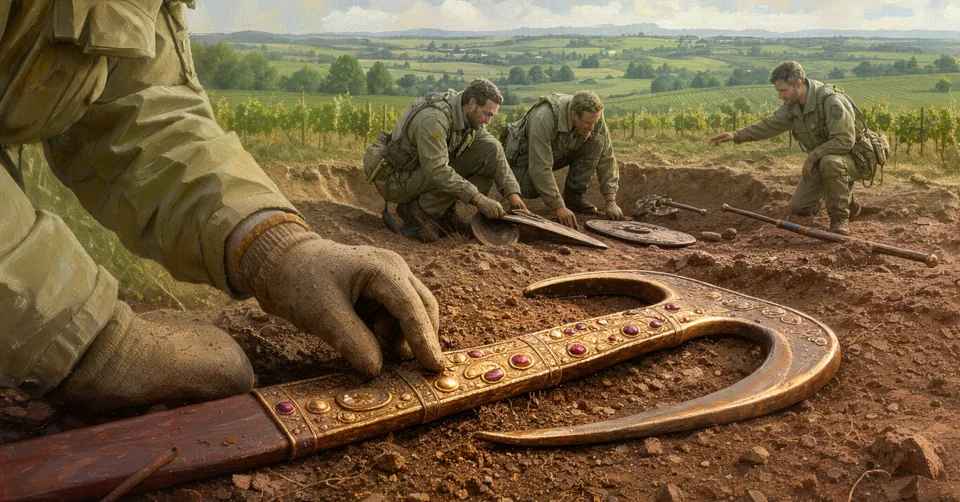
Archaeologists near Colmar, France, found a small fifth-century cemetery used from about A.D. 450 to 500. The site included 11 adult graves, three children's graves and two horse burials. Two male graves contained a sword with a partially preserved wooden scabbard, a shield, a javelin and a gold-and-garnet-decorated scramasax, goods typical of Germanic chieftains or mercenaries. The site offers new information about the post-Roman period.
NASA's Swift Observatory burns up over Sumatra after 22 years
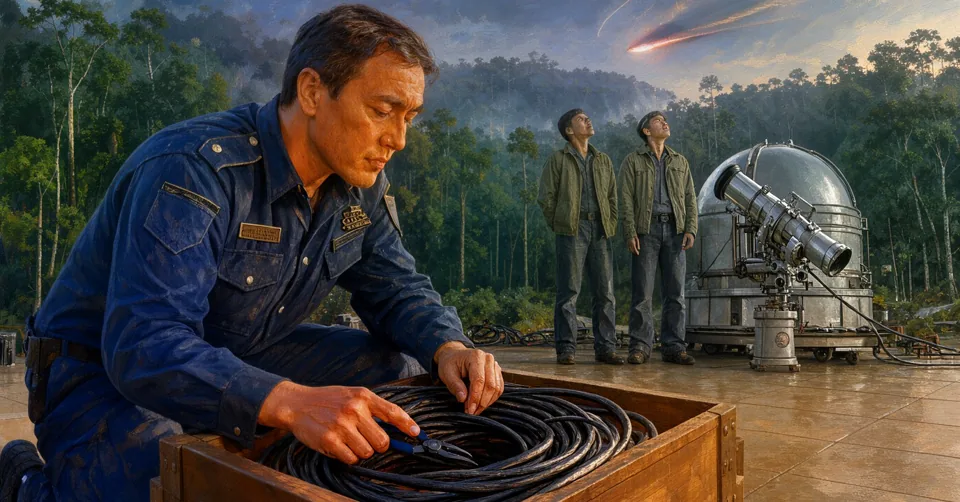
NASA's Neil Gehrels Swift Observatory burned up over Sumatra on 4 November after 22 years studying cosmic explosions with optical, ultraviolet and X-ray instruments. The observatory left millions of images that can fuel discoveries for decades, including a 24-hour ultraviolet exposure of Andromeda, about 2.5 million light-years away. NASA said the image detected about 20,000 ultraviolet light sources, captured from May to July 2008.
Scientists simulate a lifeless Earth to help find inhabited worlds
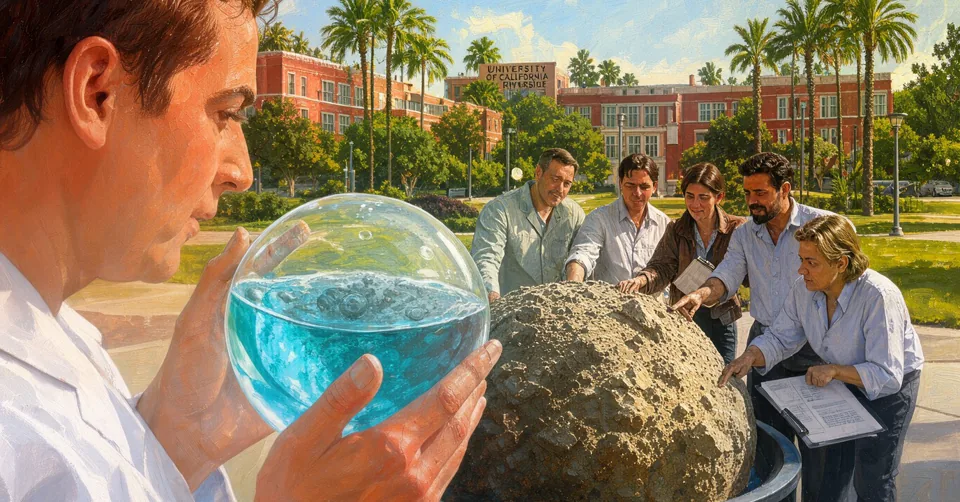
Samantha Gilbert-Janizek of the University of California, Riverside, built a model of a rocky planet without life that includes its surface and atmosphere. Extending earlier work by Rory Barnes at the University of Washington, it tracks 19 non-life properties from Earth's birth 4.5 billion years ago to 500 million years ahead.
The lifeless result, with oceans and an atmosphere, gives astronomers a baseline for judging whether exoplanet gases may indicate life.
How often Viking women fought depends on texts, artifacts and burials
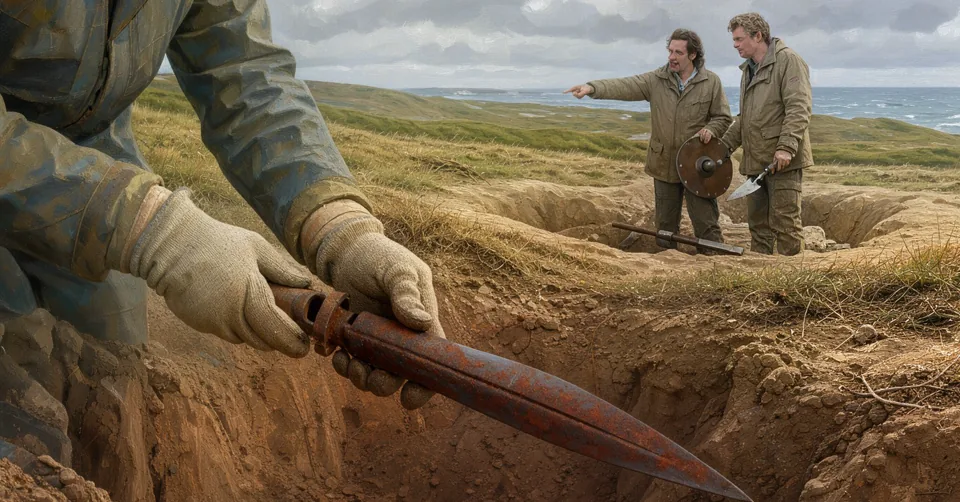
Experts say how often Viking women fought depends on how texts, artifacts and burials are read, because the Vikings left few written records and much evidence comes from other cultures or Norse descendants. Graves of women with war-grade weapons and shields, plus accounts such as Saxo Grammaticus's women cultivating combat skills and the Red Lady leading a fleet, offer evidence, but female burials face higher scrutiny than male burials.
North Pennines plan targets climate readiness and countryside access
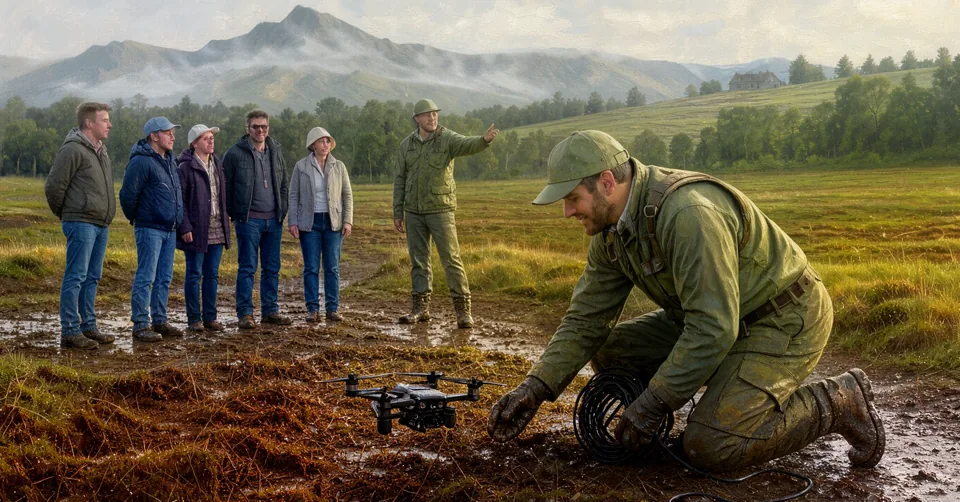
The North Pennines National Landscape Management Plan 2026 to 31 was adopted by the councils, with priorities including climate change readiness and helping people access the countryside. Work includes restoring peatland to reduce flooding, protecting woodlands and equipping farmers with wildfire tools such as drones. The plan also supports visits led by farmers to help people understand farming and invest in the local economy.
More than 430 seagrass shoots found in Fowey Estuary
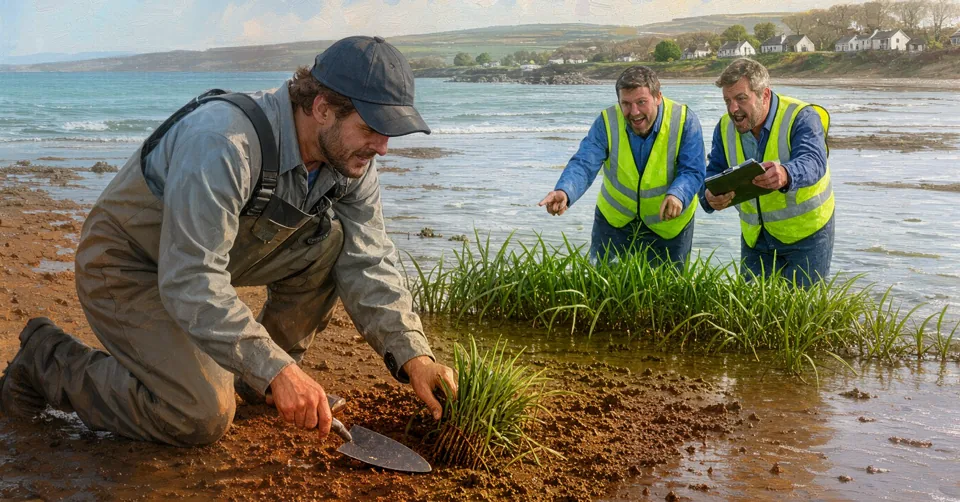
More than 430 seagrass shoots were recorded in 50 seabed patches in the Fowey Estuary after summer surveys by Cornwall Wildlife Trust. Volunteers planted seeds collected in Torpoint in autumn 2025, and growth followed an uncertain spring when only six seedlings had emerged. The finding gives hope for restoring a key UK marine habitat that shelters marine life, improves water quality, stores carbon and reduces coastal erosion.
Nuclear asteroid deflection depends on blast direction and shape
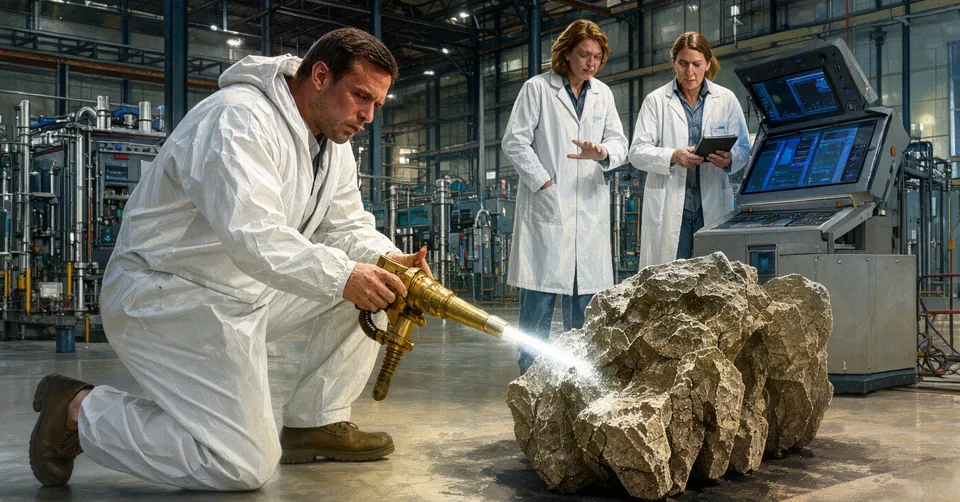
Nathan Moore's team at Sandia National Laboratories found that a nuclear X-ray burst could change an asteroid's speed or spin very differently depending on which side is irradiated. In one simulation, deflection velocity changed by 3.9 millimeters per second from one direction and 0.8 millimeters per second from another. For another asteroid, the change in spin varied by a factor of 17, so shape and blast direction are crucial.
Major fireball meteor over Europe linked to Northern Taurid Meteor Shower
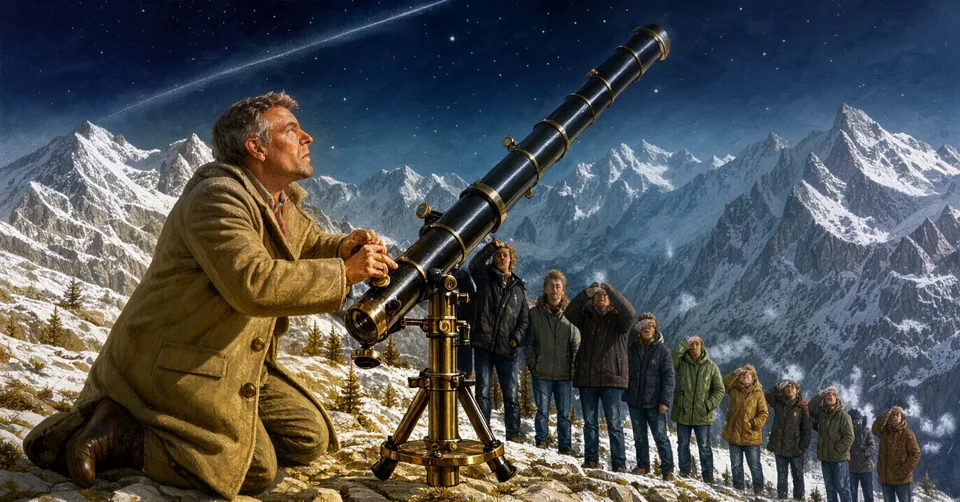
A bright fireball meteor was captured on 14 November 2017 over the Dolomite Alps in Italy and widely reported across European skies. Its measured track over Germany is consistent with the Northern Taurid Meteor Shower, associated with dust from Encke's comet. It is among the most reported fireball events recorded by the American Meteor Society and International Meteor Organization.
Ukraine races to build space capabilities after strikes on Russian rocket sites
Ukraine is accelerating its own space capabilities after strikes on Russian rocket and satellite sites, including an August attack on the Progress Rocket and Space Centre in Samara. The conflict has made satellites and space systems central to drones and sensors, while Russia deploys its Rassvet network and uses Oreshnik missiles that reach near space. Kyiv is seeking to reduce reliance on Starlink and develop countermeasures.
Siberian tomb gives oldest directly dated evidence of intoxicating cannabis use
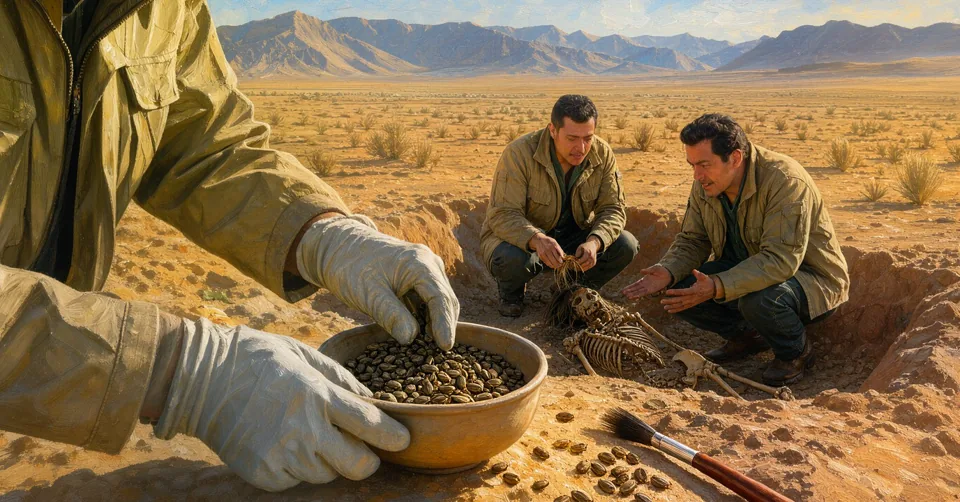
Researchers led by Gino Caspari found about 1,000 cannabis seeds in a nearly 2,800-year-old Scythian tomb in the Republic of Tyva. Radiocarbon dating of six seeds places them in the early eighth century B.C., and chemical traces in preserved human hair point to cannabis consumption. The team says this is the oldest directly dated evidence that people used cannabis for its intoxicating effects, linking the plant to burial rituals.

 Illustration