Daily Summary of Climate & Energy · Live edition, updated continuouslyThursday 12 November 2026 · UTC
Latest Climate & Energy News Today: 12 November 2026
Canada budget funds EV chargers as world heads for 1.5C overshoot
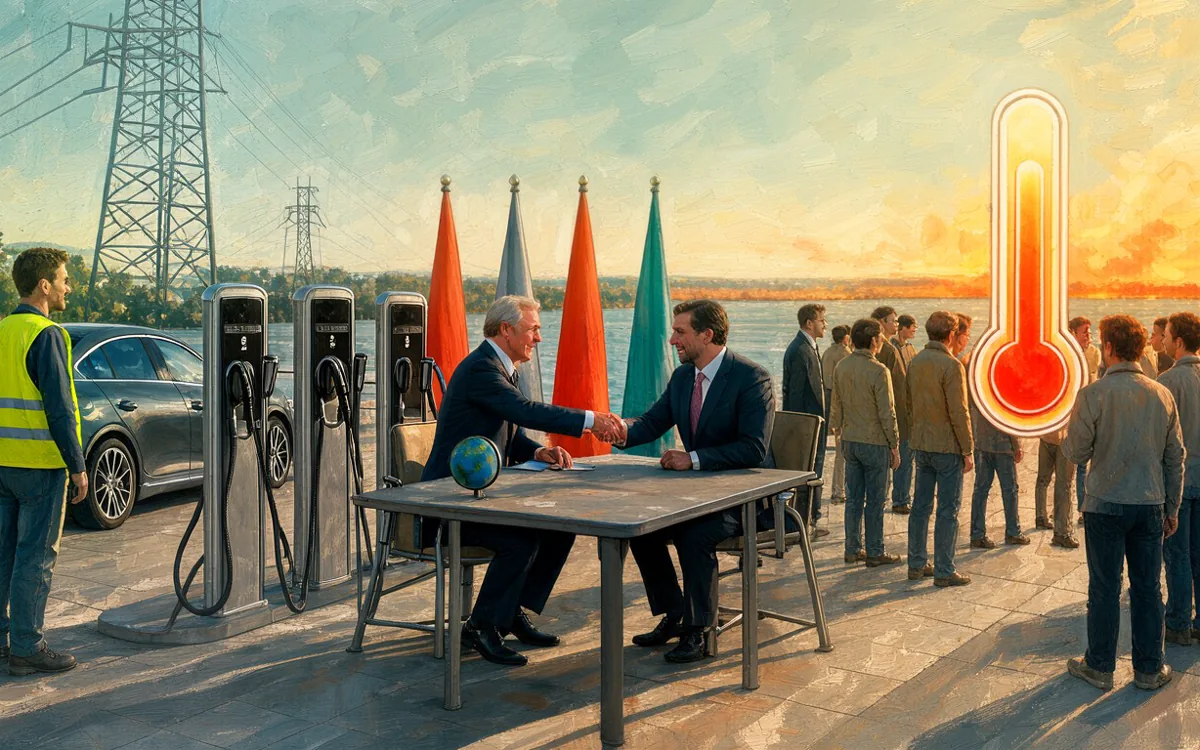
A new analysis says the world will breach the 1.5C threshold under current policies, with warming reaching 2.7C by the end of the century. At COP31, the UK pledged new climate leadership and named a climate security envoy. Canada's proposed budget allocates CAD 4 billion for grid improvements, including more than 55,000 EV chargers.
Canada budget funds 55,000 EV chargers and CAD 4 billion grid upgrades
Canada's proposed budget allocates CAD 4 billion for grid work, including about CAD 635 million for EV charging and CAD 587 million to renew the Zero-Emission Vehicle Infrastructure Program. It supports more than 55,000 chargers, with grants covering up to 50 percent of eligible costs and up to 75 percent for indigenous-led projects, capped at CAD 2 million. Spending runs from 2027 to 2036 and includes CAD 1.6 billion for remote power systems.
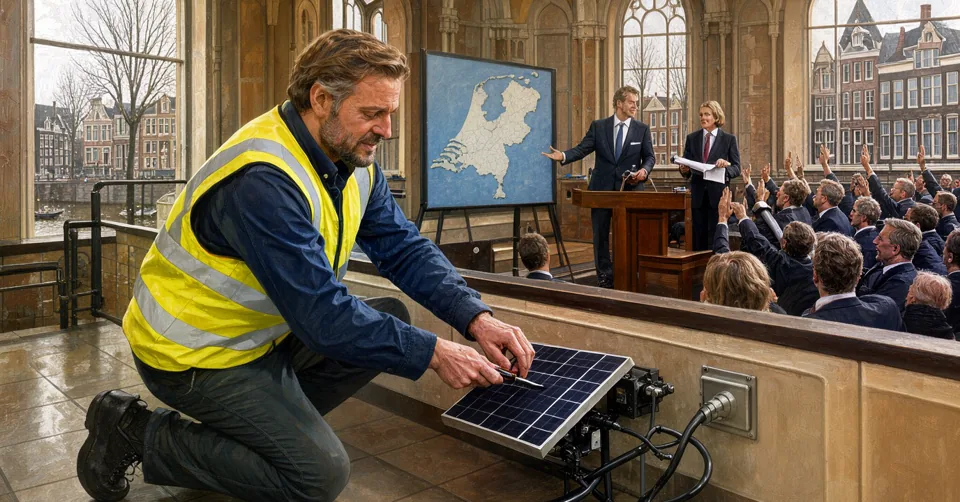
Dutch lower house backs framework for balcony solar
The Dutch House of Representatives passed a motion requiring the government to create a framework for balcony solar by spring next year. The proposal, backed by 12 of 17 parliamentary groups, says 35 percent of Dutch households already have solar panels and that plug-in systems could help more homes cut energy bills. Germany is cited as an example, and the United Kingdom allowed balcony solar in August.
Kazakhstan proposes renewable PPA fallback and storage auctions
Kazakhstan is proposing rules that would let renewable generators with at least 36 months of bilateral PPAs switch to selling output to the Financial Settlement Center for Renewable Energy Support, a subsidiary of Kegoc JSC. The fallback aims to reduce offtake risk and improve financing, though pricing and contract terms are not yet specified. The government is also preparing competitive storage auctions, with key details unconfirmed.
Burnham pledges climate leadership and names climate security envoy
Prime Minister Andy Burnham told COP31 in Turkey that climate consensus has gone but pledged a new era of British leadership. He cited the UK's record hot summer and named Dame Madeleine Alessandri as the first climate security envoy. Campaigners said he must back the pledge with action after policies such as reduced heat pump support, the Jackdaw gas field and Heathrow expansion. The move signals UK priorities ahead of its G20 presidency.
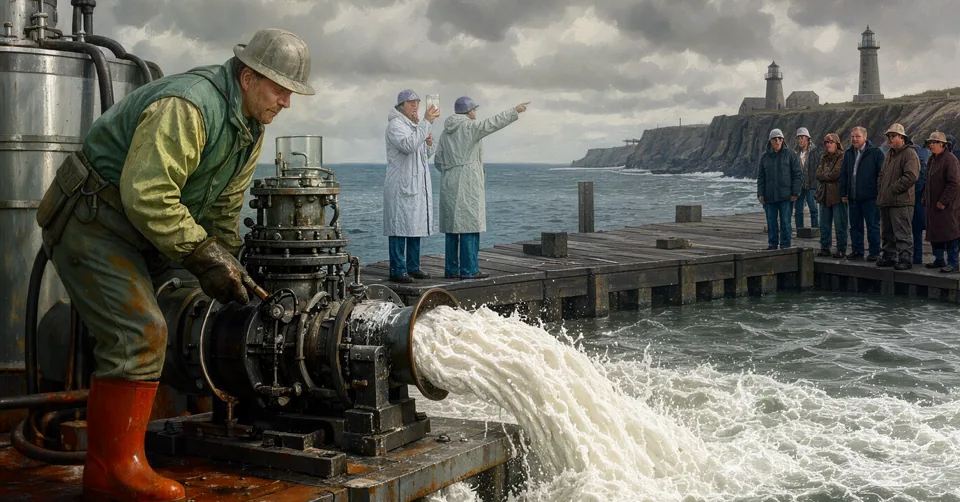
First ocean geoengineering guidelines spotlight carbon removal
The first guidelines on attempts to manipulate the ocean have put ocean carbon removal firms in the spotlight, including Planetary Technologies, which adds an alkaline slurry to Halifax harbour to absorb atmospheric carbon. Proponents say the process speeds natural carbon cycles and offsets acidification, while critics warn that more research is needed for materials added to a stressed marine ecosystem.
Japan sets Dec 11 deadline for final large solar certifications
Japan's energy agency set Dec. 11 as the deadline for new and amended FIT and FIP certification applications for ground-mounted solar of 10 kW and above, wind, hydro and geothermal projects seeking approval in fiscal 2026. Ground-mounted solar of 10 kW and above will be excluded from FIT and FIP support from fiscal 2027, making this the final year for new certification. Applicants must include grid-connection agreement documents.
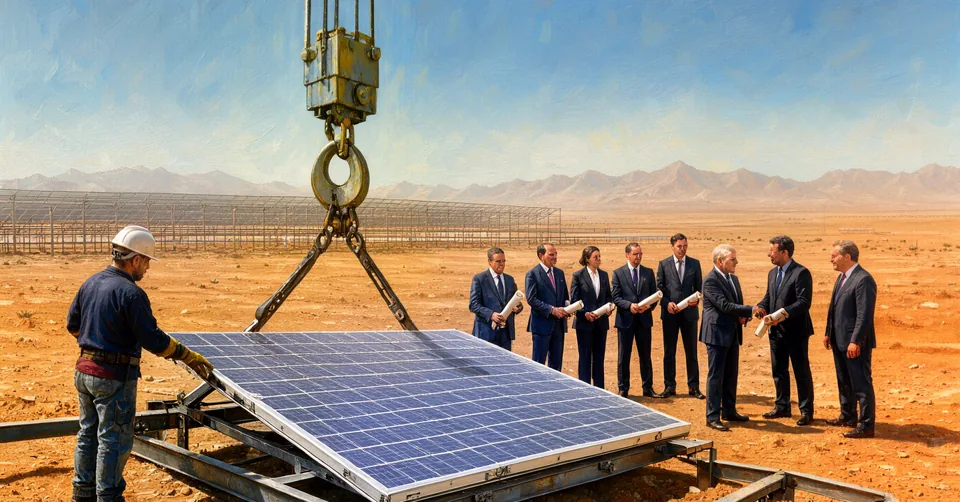
Eight international financial institutions signed letters of support for two 1 GW solar plants in Sivas and Taşeli, Türkiye. Developer Acwa Power plans the 1.6 billion euro projects to be operational by 2029, supplying 1.3 million households. The deals are part of a February agreement for Saudi companies to develop 5 GW of solar and wind in Türkiye, with the remaining 3 GW possibly including storage.
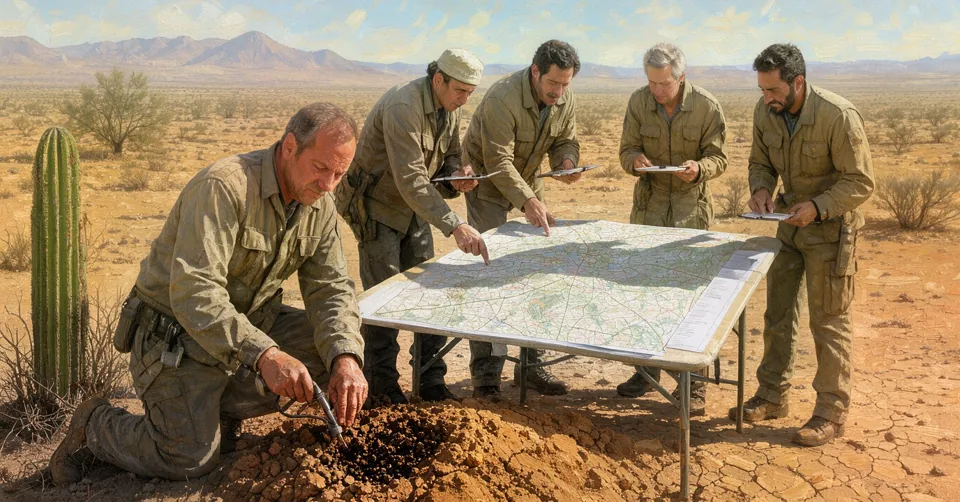
Cacti face major habitat loss from worsening droughts
A study in Nature finds that most of nearly 1,000 cactus species will lose habitat as the climate radically changes. The researchers modeled rising temperatures and dry spells, finding that more than a quarter of those species could lose at least 80 percent of their habitat by 2100. Cacti also face habitat loss and poaching, but the study says drought stress makes their outlook much worse.
DRC copper mine runs on continuous solar and battery power
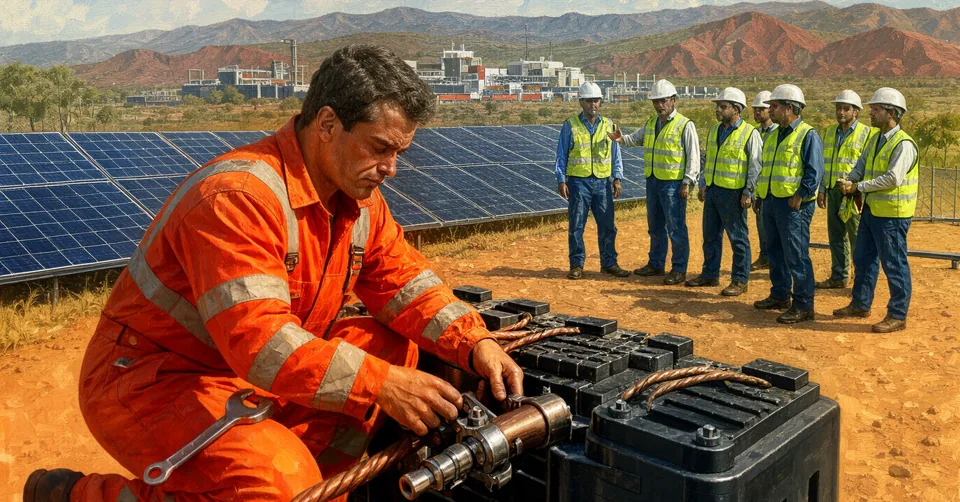
Africa's largest copper mine now runs on continuous solar and battery power at the Kamoa-Kakula Copper Complex near Kolwezi, Democratic Republic of Congo. The 233 MW solar plant and 526 MWh battery system have provided a continuous 30 MW power supply since entering commercial operation on August 12, with output peaking at 55 MW. Dhybrid says the facility displaced 4 million liters of diesel, worth roughly $11 million, in its first month.
Romania allows solar surplus credits across multiple properties
Romania's energy regulator ANRE has approved rules letting solar prosumers use the value of surplus electricity from one property to offset bills at other eligible locations served by the same supplier. The methodology implements Law No. 160/2026, keeps quantitative compensation for installations up to 200 kW, and requires suppliers to adapt billing systems by 31 Dec 2026. Romania had reached 8.5 GW of cumulative PV capacity by end of August.
Water bonus ban to be tightened after retention payments
Ofwat will accelerate a review of the water bonus ban after warning that large retention payments risk damaging public trust. Nine water companies in England and Wales, including Thames Water and Yorkshire Water, were banned from paying bonuses for 2025-26, with seven bans linked to pollution. Anglian Water faces increased monitoring after up to £800,000 in retention payments to chief executive Mark Thurston.
Mexico's cumulative distributed generation capacity reached 5,675.47 MW at the end of June 2026, according to National Energy Commission figures published on Nov. 4. The country added 485.76 MW in the first half, up 9.4% from 5,189.71 MW at the end of 2025, with solar accounting for 484.36 MW of the increase.
Cumulative investment in distributed generation was estimated at $14.58 billion, up about $1.25 billion from $13.34 billion at the end of 2025.
Australia cancels solar panel recycling pilot, weighs next steps
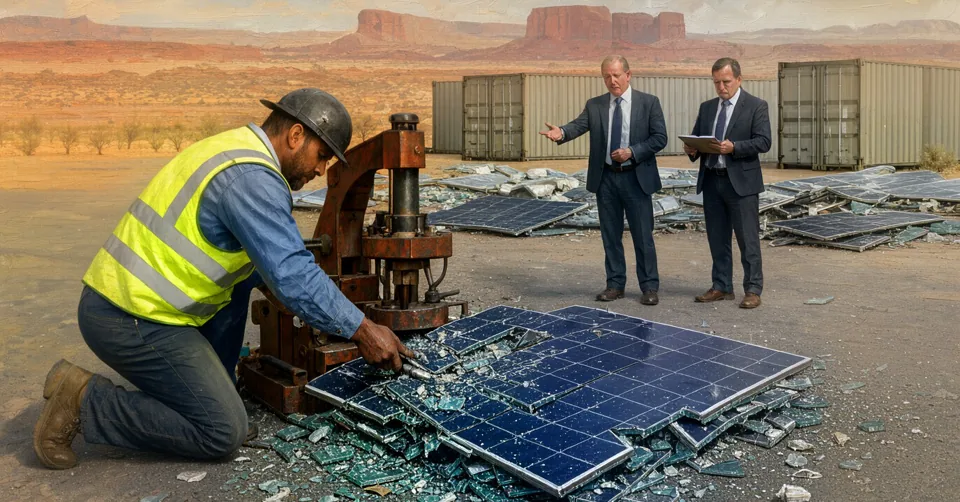
Australia has cancelled its search for an administrator for a National Solar Panel Recycling Pilot and is considering next steps, citing undisclosed changes to the industry since the tender was released in April 2026. The AUD 24.7 million pilot would have collected up to 250,000 decommissioned panels from around 100 sites for recycling. The government estimates 3 million panels reached end of life in 2025 and could reach 50 million by 2035.
Pacific islands need $14 billion for renewable projects
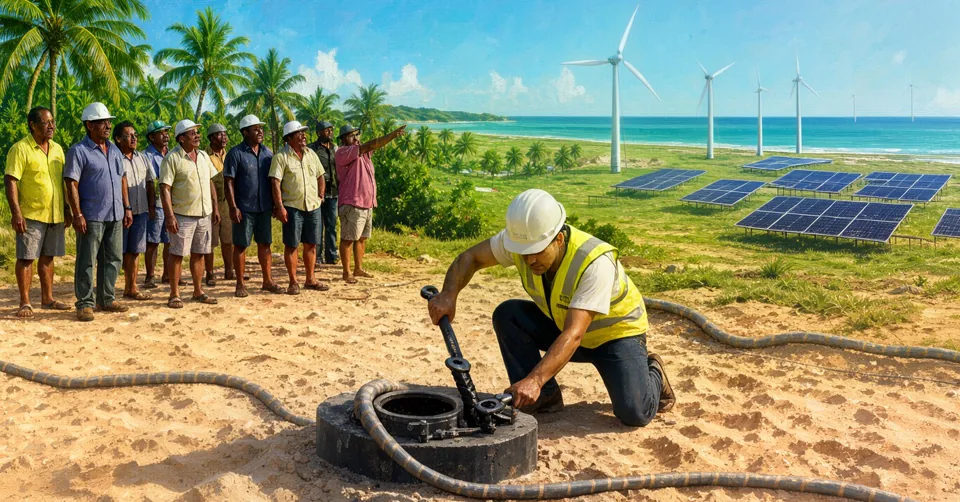
More than 70 renewable energy projects worth $2.2 billion are under way across 14 independent Pacific Island nations, according to a new investment prospectus. The report estimates about $14 billion will be needed over the next decade to build 2.2 GW of renewable capacity and 8.9 GWh of storage to meet current electricity demand. That estimate excludes transport electrification and other potential new demand.
More than 300 glaciers have disappeared from American West
A review in the Proceedings of the National Academy of Sciences finds contiguous U.S. glacier area has shrunk 35% since the middle of the 20th century, when more than 1,450 glaciers covered 217 square miles in six western states. A little more than 300 have disappeared. Survivors are mostly small and sit in shaded, protected places that gain snow from avalanches.
World heading for irrevocable overshoot of temperature thresholds
A Climate Action Tracker analysis finds the world will heat by 2.7C by the end of the century under current policies, up from a 2.6C prediction last year, and will breach the 1.5C threshold agreed a decade ago. Even if all country pledges were fulfilled, warming would reach 1.9C. The analysis came as UN climate talks in Antalya focused on the looming overshoot, with the UN secretary general urging a quick phaseout of fossil fuels.
Toxic PFOS and PFOA levels in England's rivers fall by nearly a third
Environment Agency figures show PFOS and PFOA concentrations in England's rivers fell by 30% and 29% over the last decade, linked to stricter restrictions after health and environmental evidence emerged. The agency says thousands of other PFAS remain in use and that its findings reinforce the need to regulate them as a group. It is now testing for 60 other PFAS, and the government announced it would begin monitoring levels in people's bodies.
Europe's EV sales jump 49% as global EV sales rise
Global EV sales rose 8% in October to 2.09 million, while Europe's battery electric vehicle sales jumped 49% and the region sold 510,000 EVs, up 36% year over year. Benchmark data put 2026 sales through October at 17.5 million, up 5%. North America posted a 24% annual rise to 130,000, its first increase of 2026, but the comparison follows the US federal EV tax credit expiry.

 Illustration