Daily Summary of Science & Space · Live edition, updated continuouslyTuesday 10 November 2026 · UTC
Latest Science & Space News Today: 10 November 2026
Emissions dip as Iran war raises bills and Curiosity drills
The 2026 Global Carbon Budget projects a 0.4% fall in fossil fuel CO2 emissions, the first annual decline since 2020, driven by the Iran energy shock and renewable growth. In the UK, suppliers forecast household bills could rise by more than a quarter in January as oil and gas prices remain high. Meanwhile, NASA's Curiosity rover is drilling and recharging during its Nazca campaign.
Curiosity pauses for recharging sols during Nazca drilling
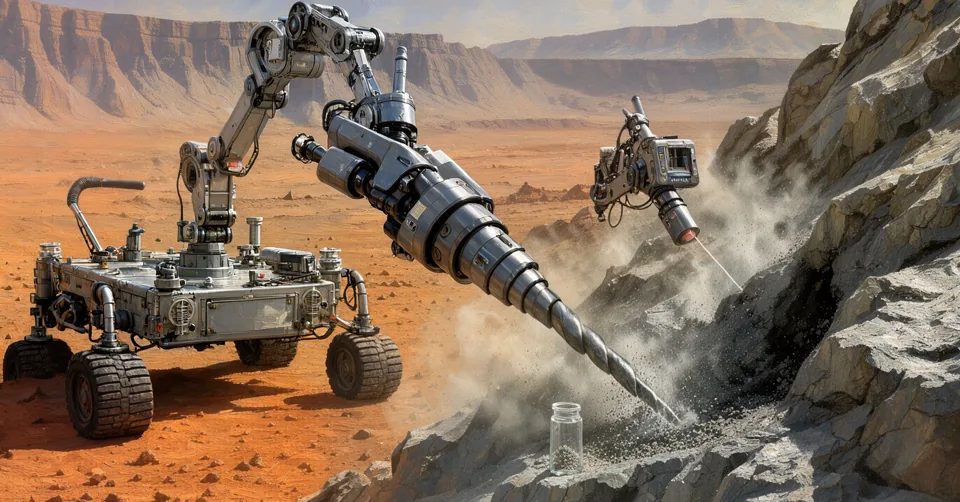
NASA's Curiosity rover is spending several recharging sols during its Nazca drilling campaign, after drilling the hole and making sample dropoffs to SAM and CheMin. The three-sol plan included remote science, imaging, and a new engineering test of parallelism, running CheMin data retrieval while sending data to an orbiter to save power as the rover ages.
Curiosity drills 49th hole, Nazca, in potential crystal rock
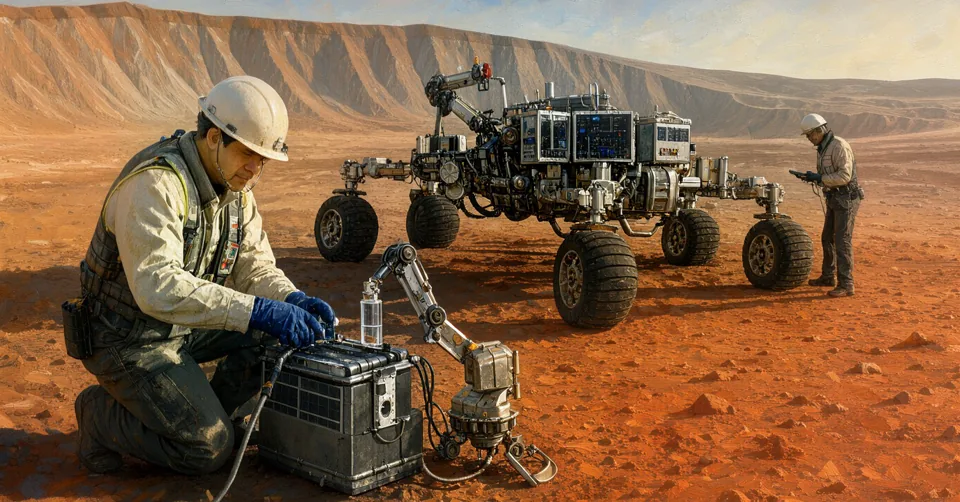
NASA's Curiosity rover has drilled its 49th hole, named Nazca, in a rock block that contains disc shaped inclusions the team interprets as potential crystals. The rover passed stability and preload tests before drilling, and the sample was sent to CheMin while ChemCam measured the tailings and drill hole wall. The results are expected to help assess whether the inclusions are crystals and what they reveal about environmental conditions.
Global fossil fuel emissions set to fall 0.4% in 2026
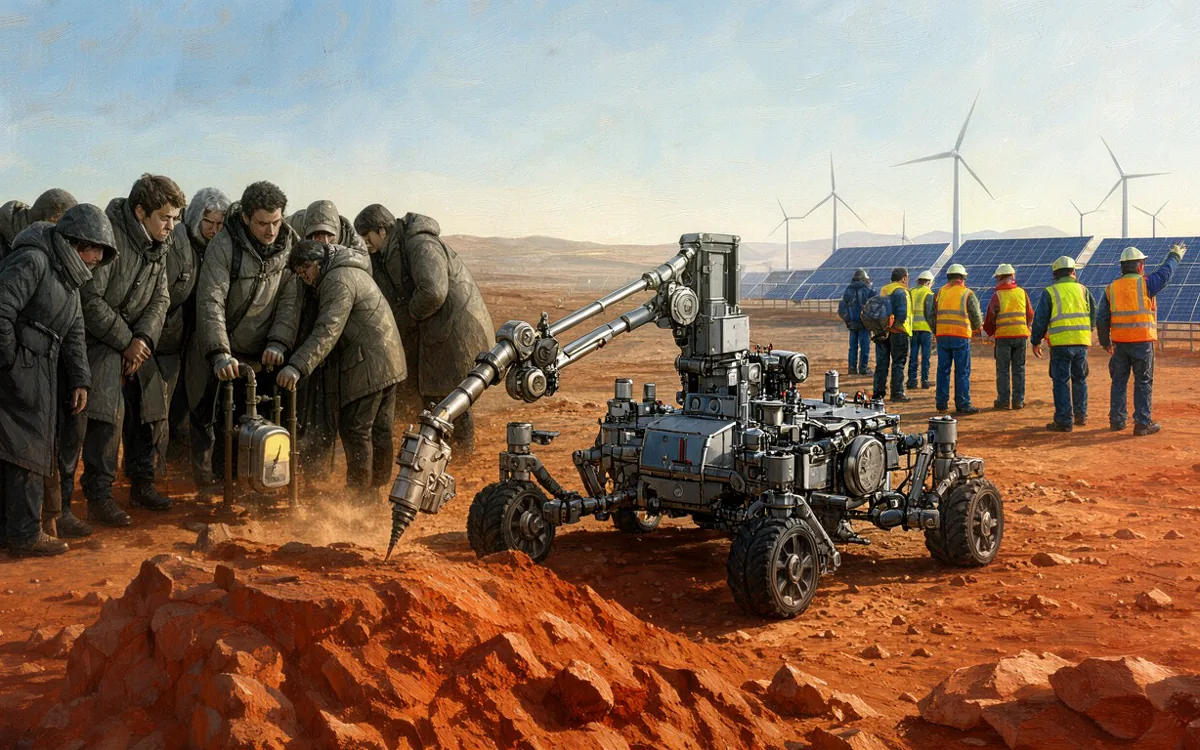
The 2026 Global Carbon Budget projects global fossil fuel CO2 emissions will fall 0.4% to 38.2 gigatonnes, the first annual decline since 2020. The drop is linked to higher oil prices after the Iran conflict and to growth in wind and solar power, but the world is still likely to miss key climate goals.
UK energy bills may rise as Iran war and climate goals clash
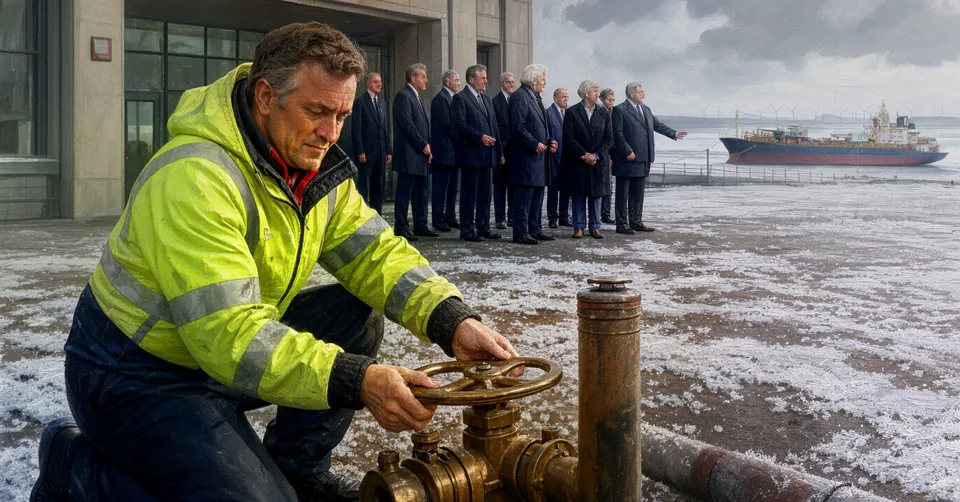
UK suppliers forecast typical household bills could rise by more than a quarter in January, adding around £460 a year. The increase follows soaring oil and gas prices after US and Israeli strikes on Iran effectively closed the Strait of Hormuz, with winter demand and low European gas stores adding pressure. The squeeze is playing out as world leaders meet at COP31 in Antalya, where fossil fuel and renewable choices shape bills and climate goals.

 Illustration