Daily Summary of Science & Space · Final editionWednesday 11 November 2026 · UTC
Science & Space News: 11 November 2026
SpaceX targets first full rocket recovery as carbon emissions may peak
SpaceX plans to attempt the first full recovery of an orbital rocket with Starship Flight 15, while a new report says global fossil fuel emissions may have begun to fall. A record 2025 Iberian fire season was linked to climate change, and Kenyans are preparing for possible El Niño floods.
NASA has begun a new initiative called the Perseverance Sample Retrieval Architecture to create a strategy for collecting samples gathered by the Perseverance rover and returning them to Earth. A strategy team will start in January 2027, with a final report due in winter 2027 to 2028. Earlier Mars Sample Return reviews found costs of about $11 billion for a 2040 return and about $8 billion for a possible 2035 return.
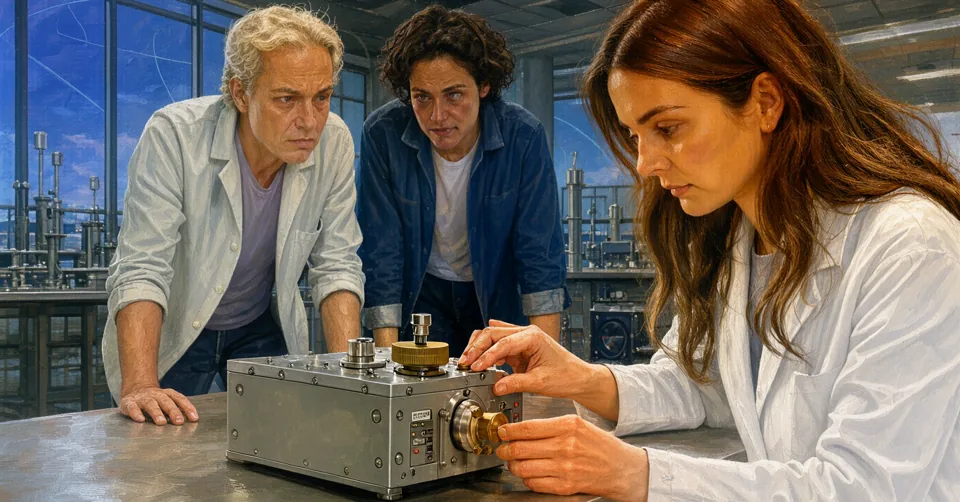
Quantum sensor proposed to measure Earth's frame dragging
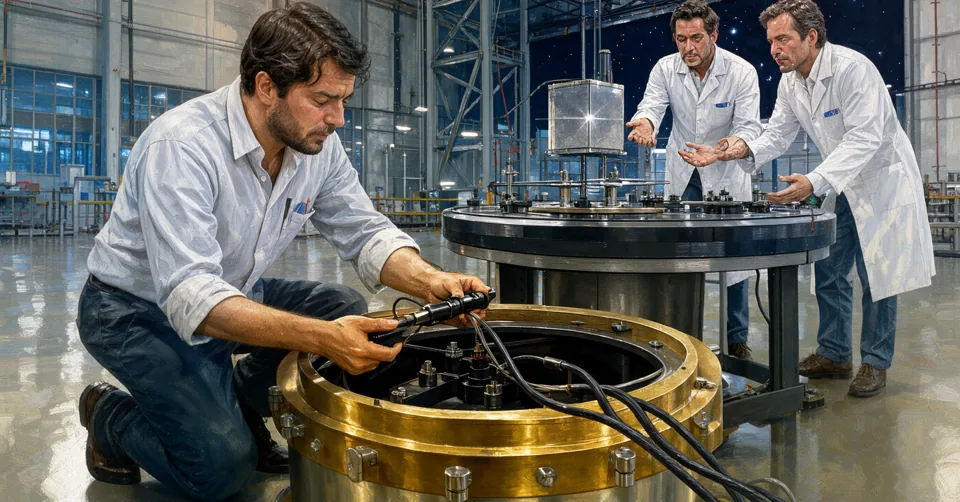
Physicists have proposed a tabletop quantum sensor that could measure frame dragging, the subtle twisting of space-time by Earth's rotation, with the same precision as the best satellite experiments. The device would achieve this in minutes rather than the years required for satellite tracking. The study, published in Physical Review Letters, aims to provide a new way to stress-test Einstein's general relativity.
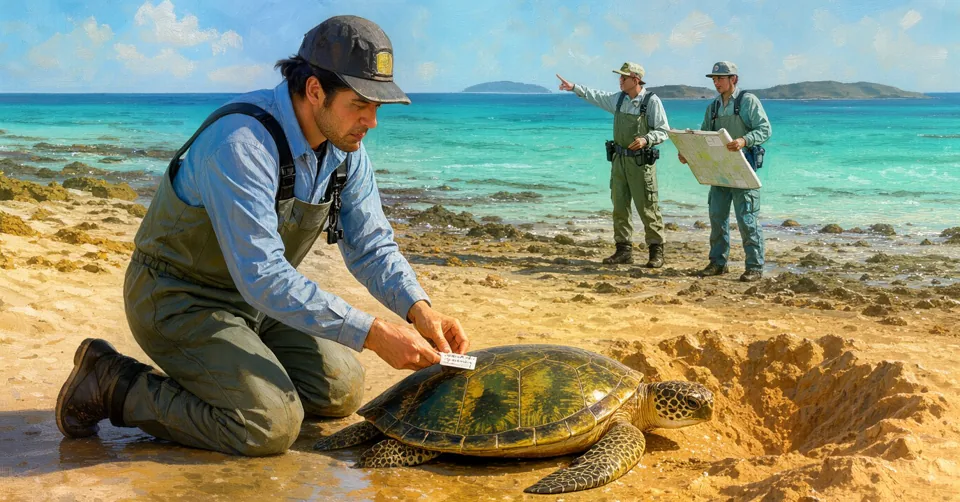
Two Pacific atolls found among world's most intact ecosystems
A Frontiers in Marine Science study found Bikar and Bokak atolls in the Marshall Islands are among the most intact ecosystems remaining in the region and perhaps the world. Researchers assessed land, sea and sky ecosystems in 2023, including birds, vegetation, turtle nesting, coral reefs and fish. Two years later, 48,000 square kilometers around the atolls were declared the country's first national marine sanctuary.
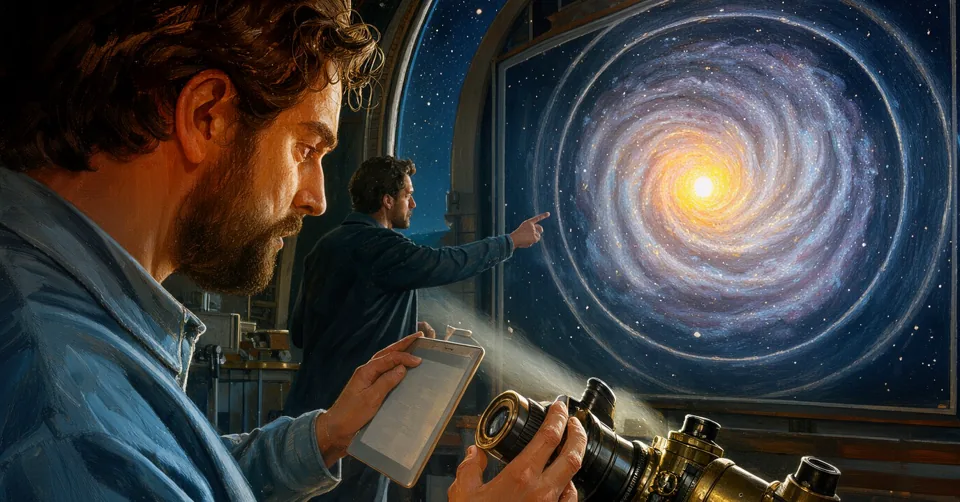
Chandra identifies periodic outbursts in a supernova impostor
An automated survey detected a bright object in 2016 that appeared to be a supernova in the spiral galaxy NGC 4559, about 30 million light years away. The star, named AT 2016blu, is a luminous blue variable with about 33 solar masses that produces a volatile outburst every 113 days, a pattern no true supernova can repeat. Chandra X-ray observations were used to study it, and new research in The Astrophysical Journal offers an explanation.
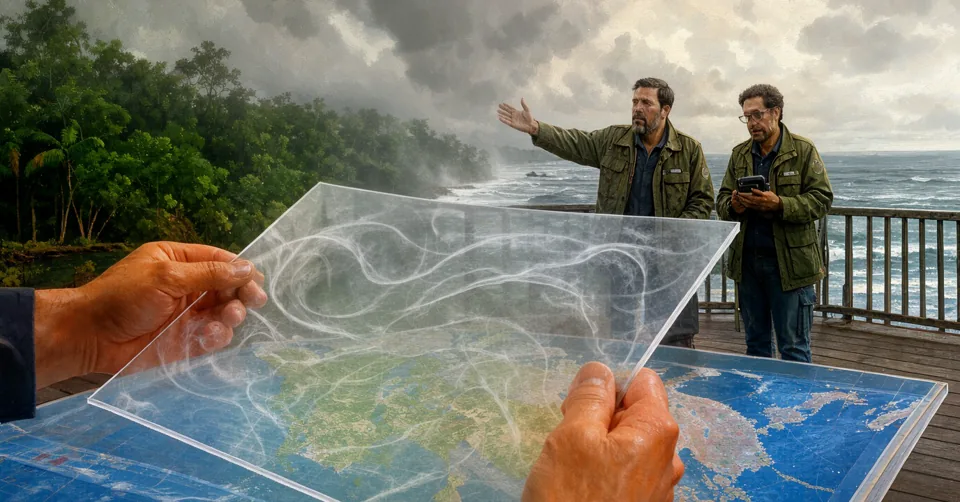
Scientists track hidden systems behind most tropical rainfall
Australian researchers have identified and tracked weather systems called moisture modes that, collectively, are more important to tropical rainfall than tropical cyclones. Using more than three decades of satellite observations, they treated moisture modes as trackable objects, filling a gap in how tropical clouds and rain are understood. The findings may help researchers study how tropical rain changes as Earth warms.
Deep sea mollusk has new organelle for housing symbiotic bacteria
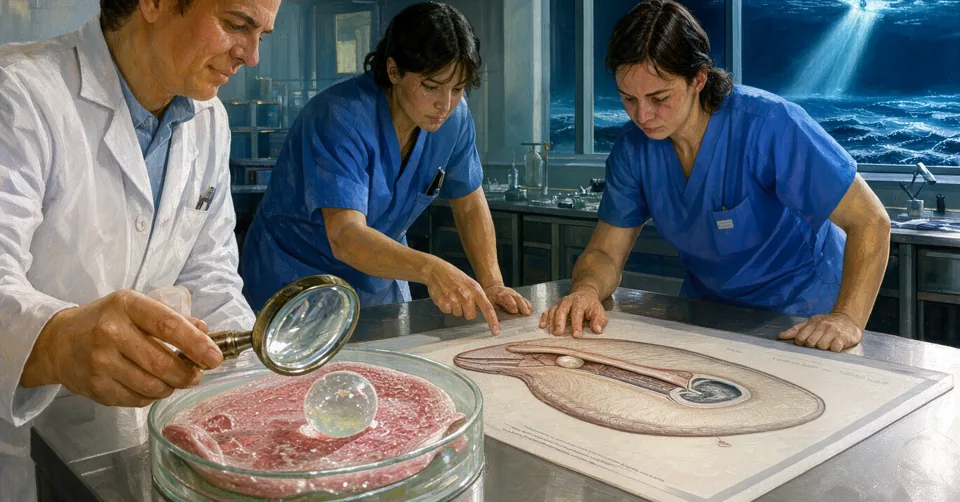
Researchers have identified a previously unknown specialized organelle in Chaetoderma shenloong, a deep-sea mollusk from cold seeps in the South China Sea. The structure, described in Nature Communications, is dedicated to maintaining bacterial symbiosis in an animal that lives in sediment layers with almost no oxygen. The finding offers the first clues that animals can evolve organelles specifically for chemosymbiosis.
Independent reanalysis confirms the ring in the first black hole image
A new independent analysis of Event Horizon Telescope data for black hole M87* produced an image nearly identical to the 2019 original, confirming the ring predicted by general relativity. Nithyanandan Thyagarajan at CSIRO and colleagues used a new pipeline that grouped telescopes into triplets, preserving shape information while reducing atmospheric and telescope errors.
They trained a machine learning algorithm on non-black-hole images to limit bias.
Florida mushroom found with both psilocybin and deadly amatoxin
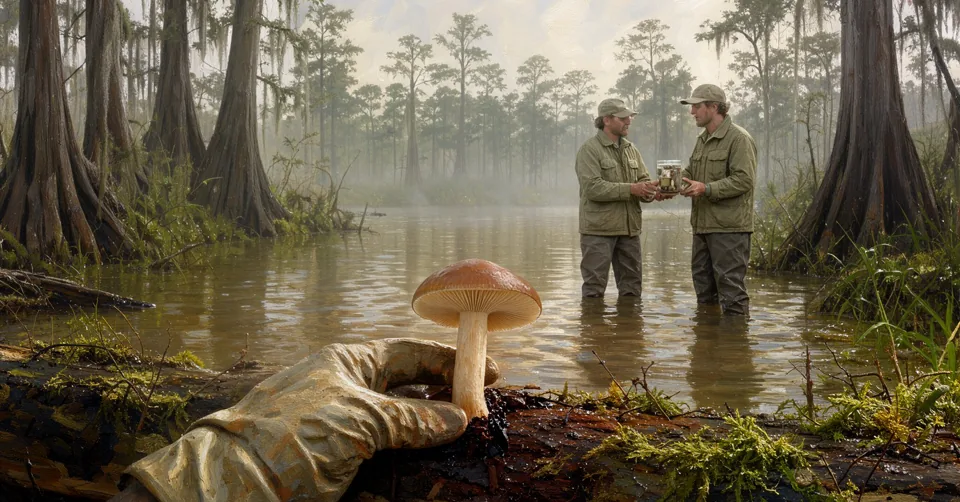
Researchers have described Galerina indica, a small brown mushroom from Florida swamps, as the first known fungus to contain both psilocybin and amatoxin. The study, published in Current Biology, says the combination may help the fungus defend against being eaten, though the reason is unclear. The finding adds to evidence that horizontal gene transfer can create unusual chemical combinations in fungi.
Rhiannon Adam's photo marks SpaceX test failure that ended her Moon flight
Rhiannon Adam, selected in 2021 for Yusaku Maezawa's dearMoon Project, photographed SpaceX's Integrated Flight Test 1 from South Padre Island, Texas, on 20 April 2023. Four minutes after liftoff, the vehicle suffered a Rapid Unscheduled Disassembly, scattering debris over nearby houses and forcing a four-month closure for reconstruction. She says the image marked the beginning of the end of the planned lunar flight.
Roman Space Telescope may take sharper images and last more than twice as long
NASA's Nancy Grace Roman Space Telescope is approaching its final destination more than 1 million miles from Earth, where it will search for an estimated 100,000 new alien worlds. Researchers say postlaunch developments show it could capture images 30 percent sharper and remain operational for more than twice as long as initially expected. The $4 billion observatory launched on Aug. 30 and is about 85 percent of the way to Lagrange point 2.
Scientists determine structure of chlorophyll-building enzyme
An international team has determined the structure of chlorophyll synthase, the enzyme that links the light-absorbing ring of chlorophyll to its hydrophobic tail. Using cryo-electron microscopy, biochemistry and modeling, researchers studied the cyanobacterial enzyme in two states, with and without the tail molecule. The findings, published in Nature Chemical Biology, clarify how the enzyme helps build the pigment essential for photosynthesis.
Researchers argue that genetic engineering cannot truly reverse extinction, using the Dire Wolf Project as an example of a genetically modified gray wolf rather than a resurrected dire wolf. In an opinion paper in Biology Letters, they state that recreating characteristics does not restore the evolutionary history or genetic diversity of the original species.
They note that cloning from preserved cells offers a different, more direct biological link to extinct lineages.
Frozen sperm enables embryo development in endangered bird
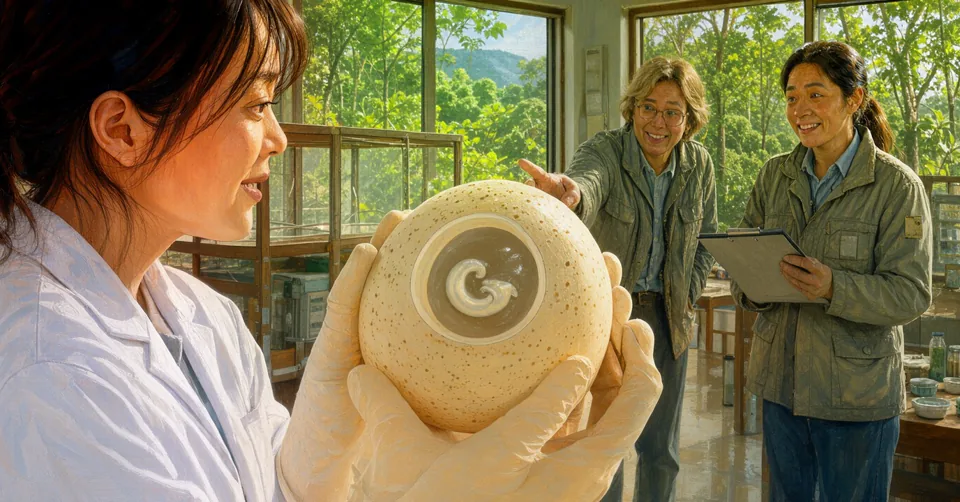
Researchers have successfully used frozen sperm to achieve embryonic development in the endangered Okinawa rail, a flightless bird from Japan. Although the chick failed to hatch due to an inability to break through the eggshell, the embryo developed successfully until that point. The study demonstrates that sperm cryopreservation can be a reliable conservation tool for the species, which has recovered from a population low of 820 individuals.
Ancient DNA reveals genetic condition in 1,600-year-old infant
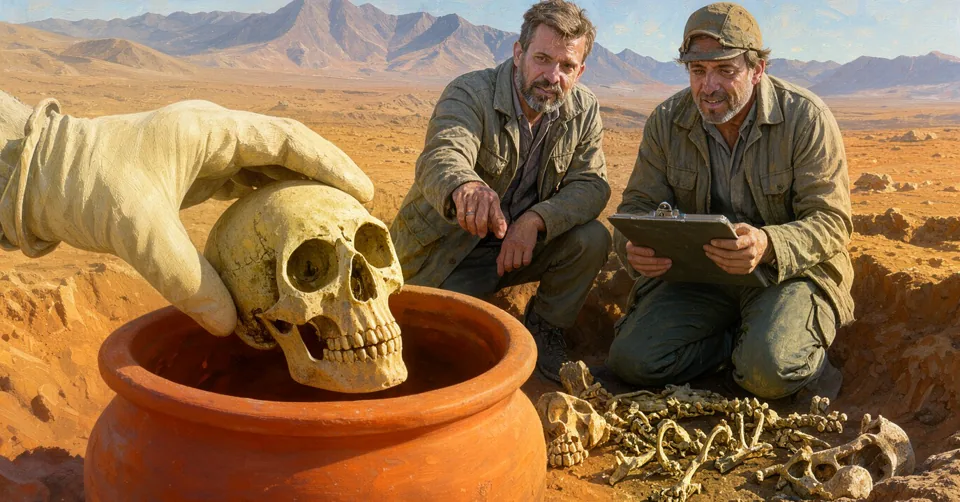
Researchers have identified trisomy 13 in a 1,600-year-old infant from Peru, providing genetic evidence for cyclopia, a rare condition characterized by a single eye socket. The infant, found in a Middle Nasca-period burial, was one of two females interred together in a ceramic vessel. The findings, published in PNAS, suggest the extra chromosome caused the severe developmental abnormalities observed in the skeleton.
NASA's UVEX telescope will map ultraviolet sky in 2031
NASA's UVEX mission, developed with Caltech, will be the first to make deep all-sky ultraviolet maps when it launches in 2031. The $590 million telescope will use Caltech-built CMOS sensors to study neutron-star mergers, supernovae and nearby faint galaxies. It aims to reveal violent ultraviolet events and small galaxies that emit bright UV light.
Plasma simulations explain bright edges of Centaurus A black hole jets
Researchers at the University of Würzburg used plasma simulations to explain why the jets from Centaurus A's supermassive black hole glow brighter at their edges than at their centers. The galaxy is about 12 million light years away, making its jets a close laboratory for studying extreme conditions. The model shows fast electrons in strong magnetic fields emit light according to field orientation, producing the bright edges seen in EHT images.
Argon-40 may reveal how much rock lies inside Uranus and Neptune
Researchers led by Southwest Research Institute measured argon-40 in the atmospheres of Uranus and Neptune to estimate how much rock may lie beneath their surfaces. The isotope could have been inherited from the protosolar nebula or produced by radioactive decay of potassium-40 in rocky material deep inside the planets. Distinguishing those sources may clarify whether the ice giants contain more rock than their classification suggests.
SpaceX aims for first full orbital rocket recovery Nov 13
SpaceX plans to launch Starship Flight 15 from Starbase in South Texas no earlier than 5:45 p.m. EST on Friday, Nov. 13, with a 75-minute window. The test would attempt to land both the Super Heavy booster and the Ship upper stage back at the launch pad, the first full recovery of an orbital rocket. If it runs its full duration, the mission would last just over 22.5 hours, with Ship landing on Saturday, Nov. 14.
New breath gas sensor detects liver disease compound
Researchers developed a gas sensor that can detect dimethyl sulfide in human breath at 10 parts per billion under 90 percent humidity, even with interfering gases. A copper oxide and aluminum oxide filtering layer captures hydrogen sulfide and reduces moisture interference, raising the response ratio for dimethyl sulfide over hydrogen sulfide from 3.3 to 50.4.
The study in ACS Nano says the sensor could help noninvasive screening for liver conditions such as cirrhosis and hypermethioninemia.
11,000 year old clay fragments show early pottery experiments
Fragments from Çemka Höyük in southeastern Turkey, dated to around 9350 B.C., show people beside the Upper Tigris were experimenting with clay containers before pottery became widespread. The study in Antiquity examined 46 low fired fragments thought to represent nine objects, including clay coatings and vessel additions. Mineral changes suggest deliberate firing at about 600 to 700 C in a controlled open fire.
Bennu and Murchison amino acids suggest separate solar system origins
Researchers studying amino acids from the OSIRIS-REx Bennu sample and the 1969 Murchison meteorite found isotope patterns indicating the molecules may have formed by a similar process but in different parts of the solar system. The Bennu sample, returned in 2023 without terrestrial contamination, gave a direct view of space chemistry. The findings suggest carbon and nitrogen atoms in the molecules originated far apart.
Standard shortcut hides magneto-optic effect in glass fiber
Engineers at the University of the Witwatersrand have shown that a standard shortcut used to describe light in optical fiber for over 50 years hides a small but real magneto-optic effect. They demonstrated that a magnetic field placed sideways to a multimode fiber can change the light traveling inside it, an effect previously thought to be negligible.
The finding, published in Optics Letters, may improve the accuracy of magnetic field sensors based on optical fiber.
New algorithm improves phase readout for space-based gravitational wave detection
A team led by Yu Tao at the Changchun Institute of Optics, Fine Mechanics and Physics proposed an analytical phase readout algorithm for deep frequency modulation interferometry. It recovers phase directly without explicitly estimating modulation parameters, reducing errors in conventional stepwise methods. Simulations suggest it could support compact systems for space-based gravitational wave detection.
University of Geneva researchers say a process called chemotaxis may explain where hair follicles form. Their mathematical model, published in PNAS, tracks how mobile cells in the dermis respond to an attracting chemical signal from the epidermis and recreates follicle patterns in two mammalian species. The finding suggests orderly patterns of hair, feathers and scales can emerge from basic interactions between neighboring cells.
NASA says Antarctic ozone hole reached its largest size in a decade
Unusually strong polar vortex winds over Antarctica expanded the 2026 ozone hole to the seventh largest in 48 years of observations. At seasonal peak it averaged about 9.6 million square miles, and on September 18 it reached 10.5 million square miles, about 90 percent of the largest ever measured. NASA and NOAA say the ozone layer is still gradually recovering and remains on track to heal later this century.
Scientists find sheeppox virus DNA in 1,000-year-old manuscripts
Researchers led by University College Dublin found ancient sheeppox virus DNA in parchment from medieval manuscripts, including the York Gospels. The study in Science Advances reconstructs more than 3,500 years of sheeppox evolution and shows animal skins can preserve biological evidence from infected animals. Viral DNA was also detected in calfskin and goatskin, suggesting the virus may have infected other livestock or contaminated skins.
Roman era frog bones near Cambridge were owl leftovers, study says
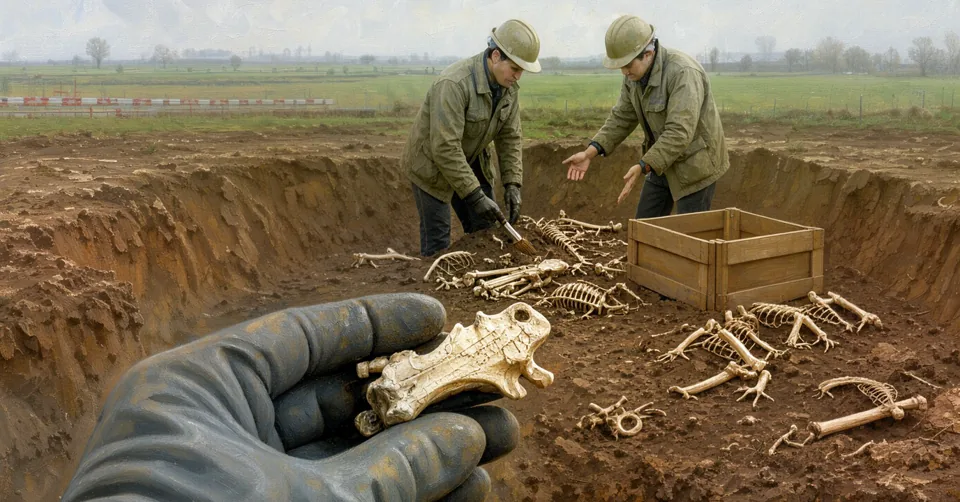
A study in Environmental Archaeology found that more than 9,000 bones, mainly from frogs, in an Iron Age Roman gully near Cambridge were likely regurgitated by short eared owls, not a human feast. Researchers examined over 1,700 remains and found no signs of burning, butchery or chew marks, while nearly 86 percent of frogs showed digestion marks. The gully was found during work for the A14 Cambridge to Huntingdon road improvement scheme.
Scotland's Atlantic rainforest gets £6m restoration grant
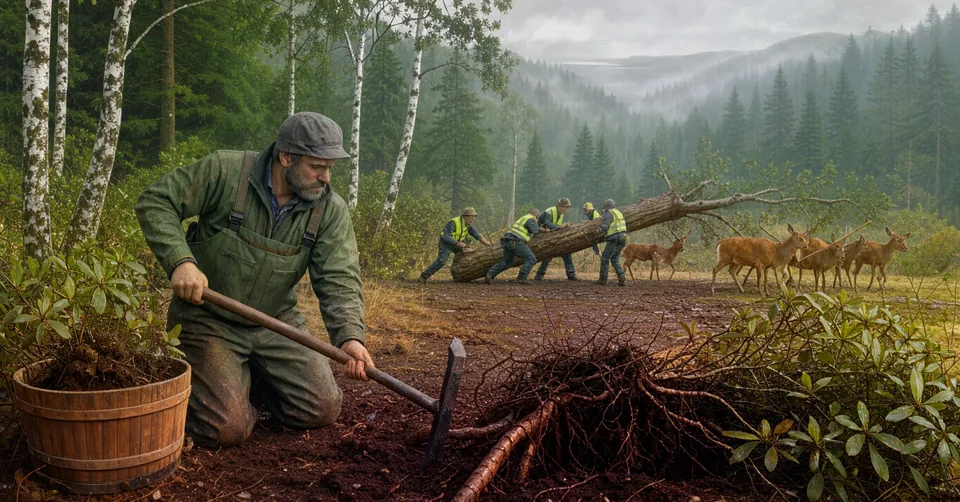
The National Lottery Heritage Fund has awarded almost £6m to a five year project to restore Scotland's rare Atlantic rainforest. The Our Rainforest Futures project will create three hubs in Torridon, Morvern and mid Argyll, with training and work in habitat restoration, deer management and invasive species removal. About 75,000 acres of west coast woodland are designated Atlantic rainforest, and the grant will support local communities.
Artist sets record for world's largest soil painting
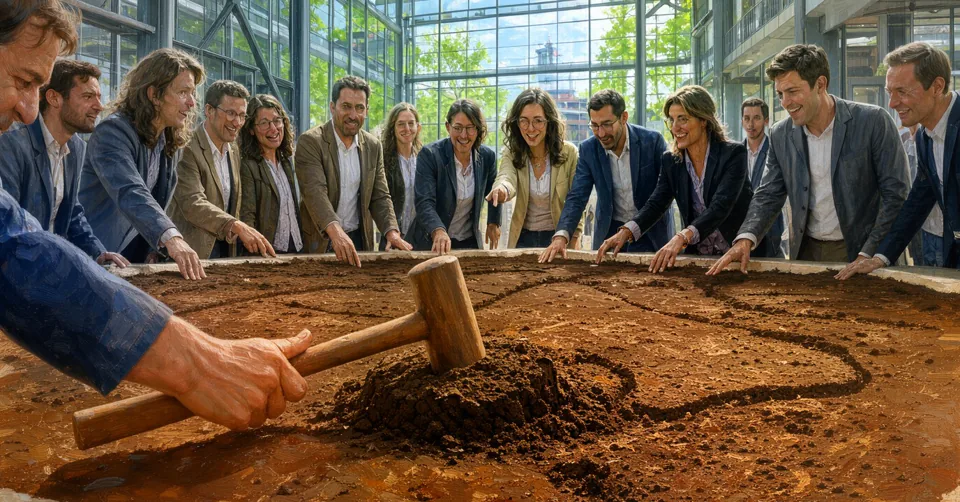
Cardiff artist Phil Lambert has set a record for the world's largest soil painting, measuring 61,000 square centimetres, verified by Official Record Breakers. The work, created at University College London, supports Save Soil's call for soil regeneration to be prioritised at the 31st UN Climate Change Conference. Healthy soils regulate water, store carbon and underpin biodiversity and food systems.
Mangled 1834 silver coin may reveal minting accident
Researchers say a badly distorted British silver sixpence from 1834 was likely damaged by an unusual minting accident rather than wear or corrosion. Analysis reported in npj Heritage Science found deep depressions and ridges on the coin's central portrait of King William IV, while much of the rim and edge remained intact. The pattern suggests repeated high pressure concentrated in a limited area, possibly while the coin was being struck.
Hubble image of dwarf galaxy NGC 4449 highlights element spread
NASA's Astronomy Picture of the Day features a Hubble Space Telescope image of NGC 4449, a dwarf galaxy about one tenth the size of the Milky Way. NGC 4449 and similar dwarf galaxies are missing more oxygen than models predict, suggesting their stellar winds and supernovae are surprisingly effective at blowing away oxygen and other heavy elements. That may help spread the building blocks of stars, planets and life throughout the universe.
Navajo Reservoir rises nearly 60 feet after Southwest storms
Two rounds of extreme rain events in late October and early November 2026 flooded rivers in the U.S. Southwest and rapidly raised Navajo Reservoir. Satellite images show it rose by nearly 60 feet between September 20 and November 7, reaching its highest level since August 2019. The storms caused record or near record river levels and damaging floods, but also eased short term drought.
Deep-sea nodules host unique habitats that mining could destroy
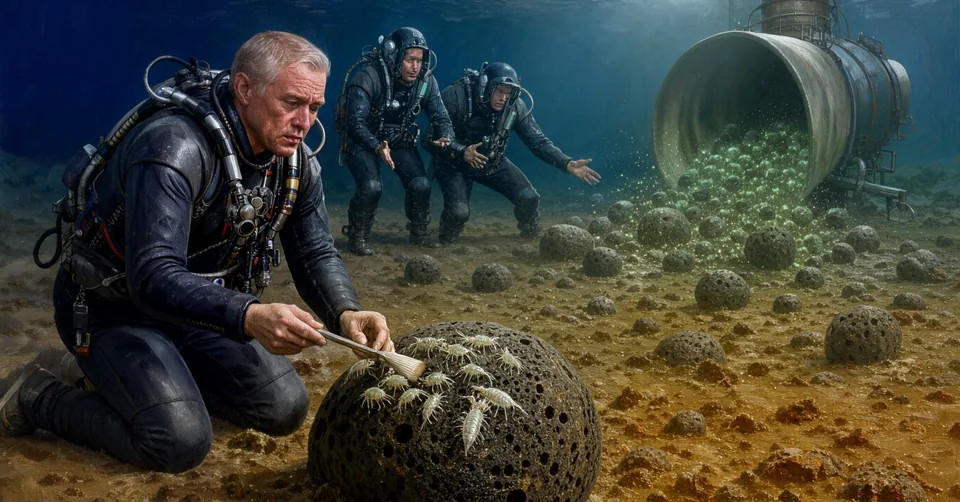
A study of 244 polymetallic nodules from the Clarion-Clipperton Zone in the central Pacific found 4,139 tiny animals living in their crevices and pores. The organisms form a unique community that differs from animals on the surrounding seafloor, and the nodules create a three-dimensional habitat. Because the nodules grow only a few millimeters per million years, commercial mining could permanently destroy this habitat.
Ancient proteins suggest Homo naledi cave may have held only females
Scientists recovered ancient proteins from Homo naledi tooth enamel in South Africa's Rising Star Cave and found no evidence of Amelogenin-Y, a male-specific marker. The team examined 23 teeth from at least 20 individuals and verified the proteins were ancient rather than modern contamination. The result raises the possibility that the cave was the earliest known burial site reserved for one sex by a human relative other than Homo sapiens.
Ottawa researchers propose universe could be 26.7 billion years old
Researchers at the University of Ottawa say a model called CCC+TL matched several important astronomical observations and suggests the universe could be 26.7 billion years old, nearly twice the widely accepted 13.8 billion years. The theory proposes that changes in fundamental physical constants could account for effects attributed to dark matter and dark energy. It may help explain unexpectedly large and mature galaxies in the early universe.


 Illustration