Daily Summary of Science & Space · Live edition, updated continuouslySaturday 7 November 2026 · UTC
Latest Science & Space News Today: 7 November 2026
NASA chief pushes yearly Artemis launches as Rubin finds Milky Way companions
NASA's chief says Artemis needs at least one big rocket launch a year as the agency moves toward crewed lunar landings. The Rubin Observatory has detected two hidden companions of the Milky Way, and a Falcon 9 launched a classified U.S. Space Force mission from California.
NASA chief says Artemis needs at least one big rocket launch a year
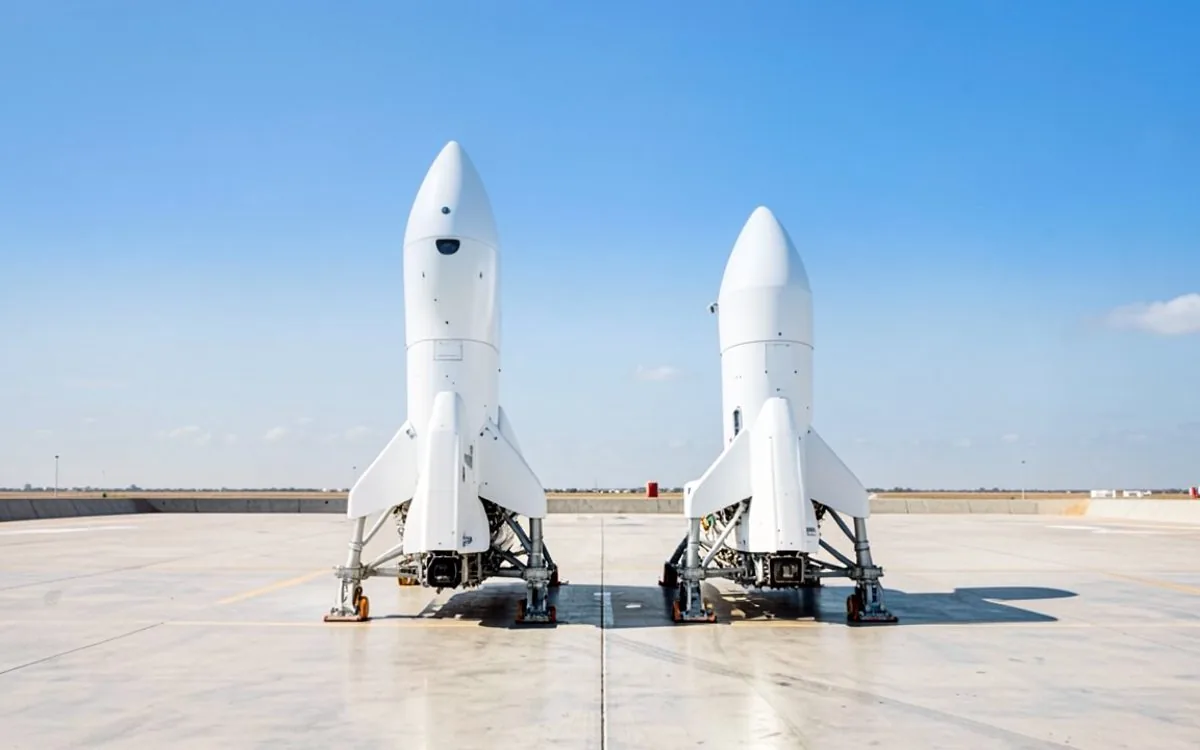
NASA Administrator Jared Isaacman said the agency should launch big rockets at least once a year to keep Artemis on a path to crewed lunar landings. He pointed to April's Artemis II mission around the moon and said the coming 2027 launch will test Orion docking with SpaceX Starship, Blue Origin Blue Moon or both in low Earth orbit. Isaacman said a new space race with China is fueling the agency's ambition.
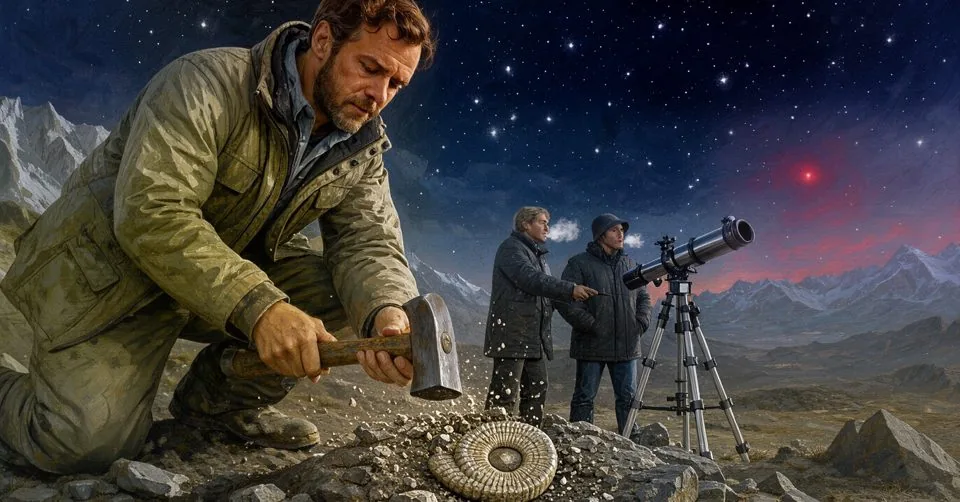
Physicist says a red dwarf Nemesis may drive comet impacts
Physicist Richard Muller says a low mass red dwarf star called Nemesis may orbit with the Sun and periodically disturb the Oort Cloud, sending comets toward Earth. He argues the star's 26 million year cycle could explain a pattern in marine extinctions, including the event 66 million years ago that wiped out the dinosaurs.
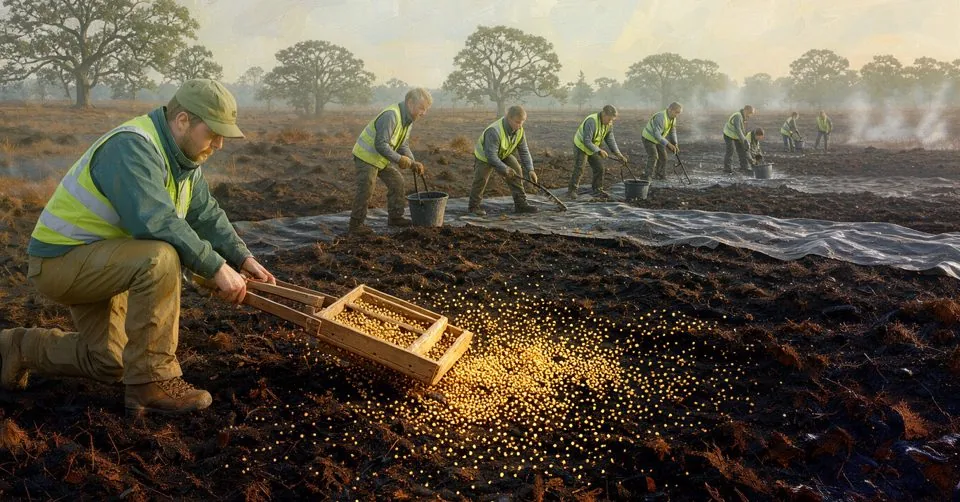
New Forest wildfire restoration work begins after August blaze
Restoration work has begun at the New Forest wildfire site, where more than 1 square kilometre was destroyed after a fire spread from a van on 9 August. Forestry England said specialist teams are protecting vulnerable areas ahead of winter and reseeding heather, using seed harvested from nearby parts of the forest. The blaze damaged rare heathland, ancient woodland and peat layers, and closed the A31 for nearly two weeks.
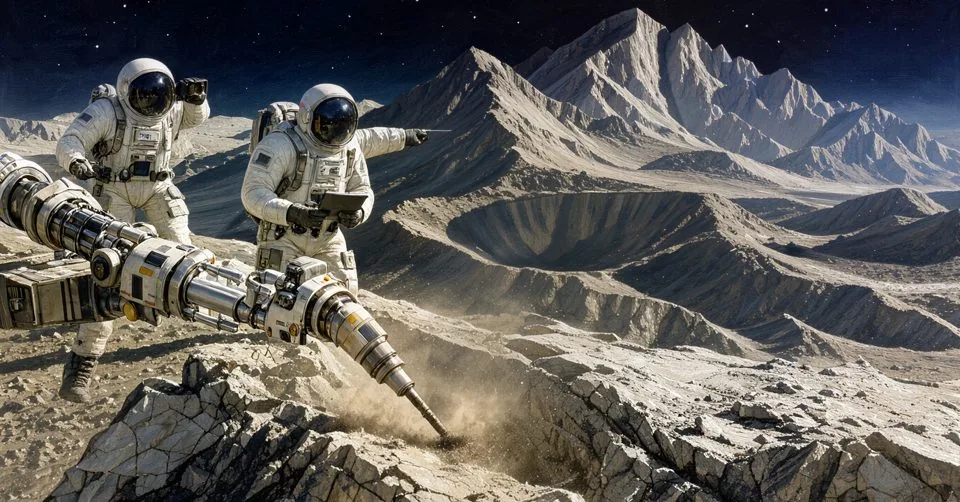
NASA image highlights De Gerlache-Kocher massif near Moon's south pole
NASA's APOD features a close-up of the De Gerlache-Kocher massif near the Moon's south pole, captured on 31 October. The mountainous formation rises about 4 kilometers above its surroundings and has permanently shadowed crater floors that likely contain water ice, as well as peaks with almost continuous sunlight. It has been considered a potential landing site for future crewed Artemis missions.
Human metabolism produced 2.05 billion metric tons of CO2 in 2015
A University of Bath study estimates that human metabolism produced 2.05 billion metric tons of carbon dioxide in 2015, up from 1.18 billion metric tons in 1985. The increase was mainly driven by population growth. The researchers say the metabolic CO2 is different from fossil fuel emissions because it comes from recently absorbed plant carbon. The result could help scientists understand the global carbon cycle.
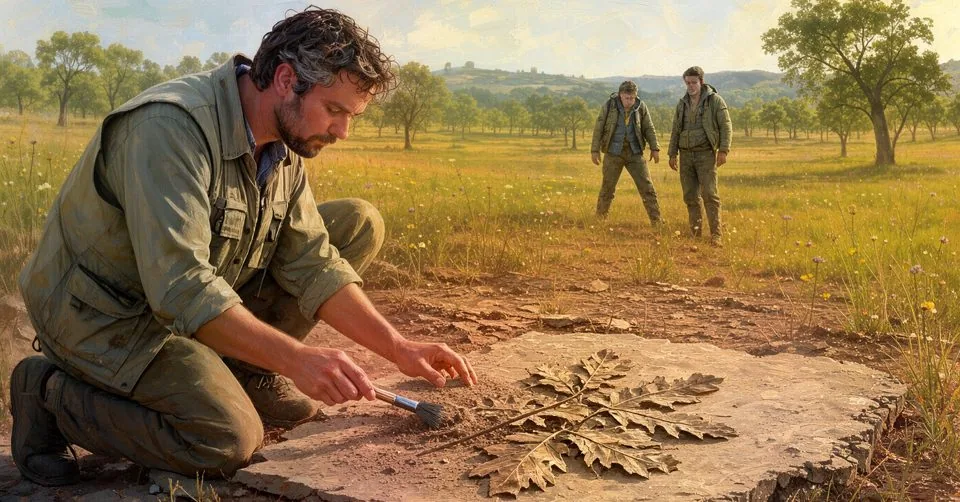
Study finds Europe's ancient forests were open, not dense
A study led by Aarhus University says Europe's landscapes for more than 20 million years were dominated by scattered trees, open woodlands, grasslands and wildflower meadows rather than dense forests. The findings, published in Biological Conservation, challenge the closed forest paradigm and raise questions about reforestation programs that prioritize planting dense forests.
Rubin Observatory finds two hidden Milky Way companions
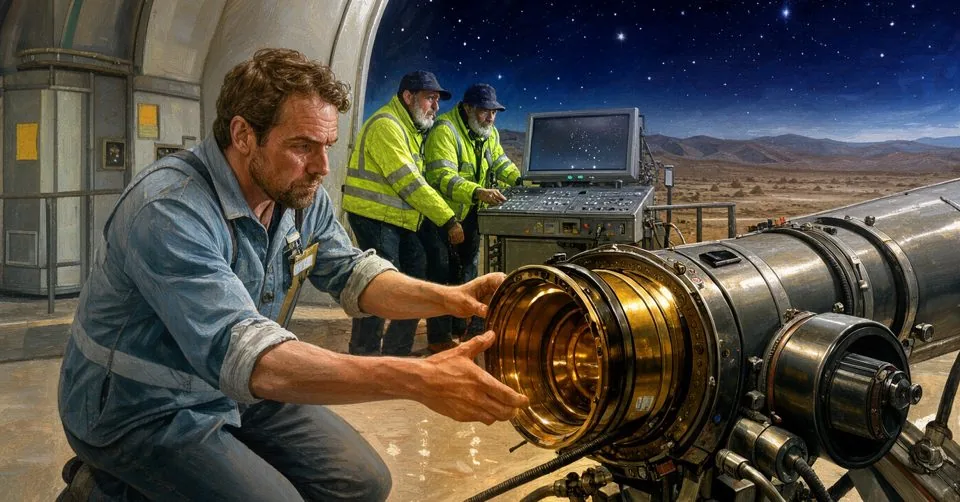
The Vera C. Rubin Observatory in Chile has detected two previously unknown companions of the Milky Way: a tiny galaxy, Aquarius IV, about 355,000 light-years away, and a star cluster, Rubin-GC1, hidden in dusty regions. The discoveries were made with preview data before the observatory's official launch. They suggest Rubin's full 10-year survey may reveal hundreds more faint satellites around our galaxy.
SpaceX launches classified USSF-432 mission on Falcon 9 from California
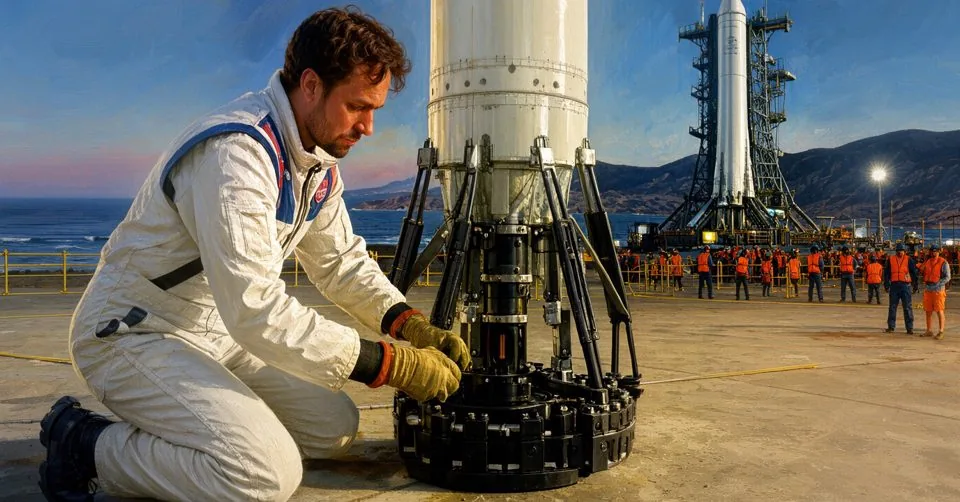
A Falcon 9 rocket lifted off from Vandenberg Space Force Base in California at 0048 GMT on 7 November, beginning the classified USSF-432 mission for the U.S. Space Force. SpaceX ended its webcast about 10 minutes into the flight, shortly after the first stage landed on the droneship Of Course I Still Love You. The upper stage carried an undisclosed payload that observers speculate may be Starshield-based low Earth orbit satellites.

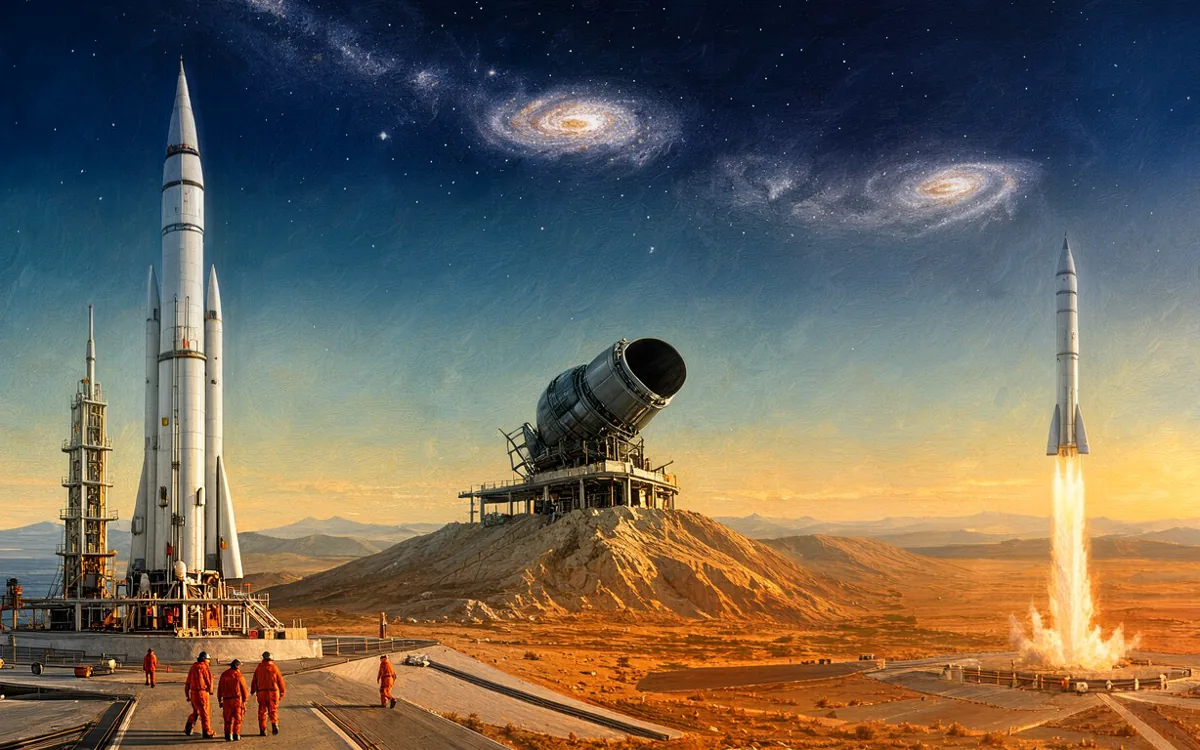
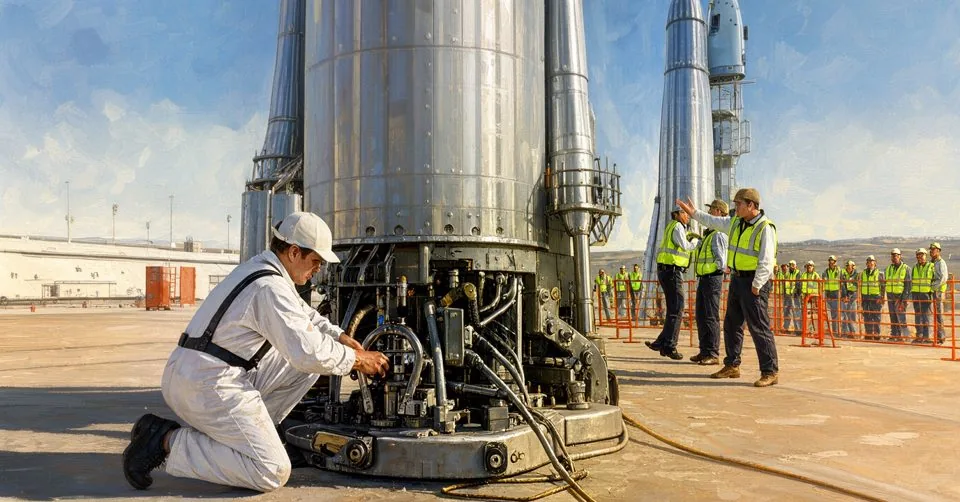 Illustration