Daily Summary of Science & Space · Live edition, updated continuouslyFriday 6 November 2026 · UTC
Latest Science & Space News Today: 6 November 2026
Swift satellite re-enters as tamarin twins are born and ISS captures Utah goosenecks
NASA's Swift Observatory ended nearly 22 years of service when it re-entered Earth's atmosphere over Indonesia on 4 November. Shaldon Wildlife Trust in Devon reported the birth of critically endangered pied tamarin twins, a breeding success for a small UK zoo. An astronaut on the International Space Station photographed Utah's Goosenecks, showing the San Juan River's entrenched meanders.
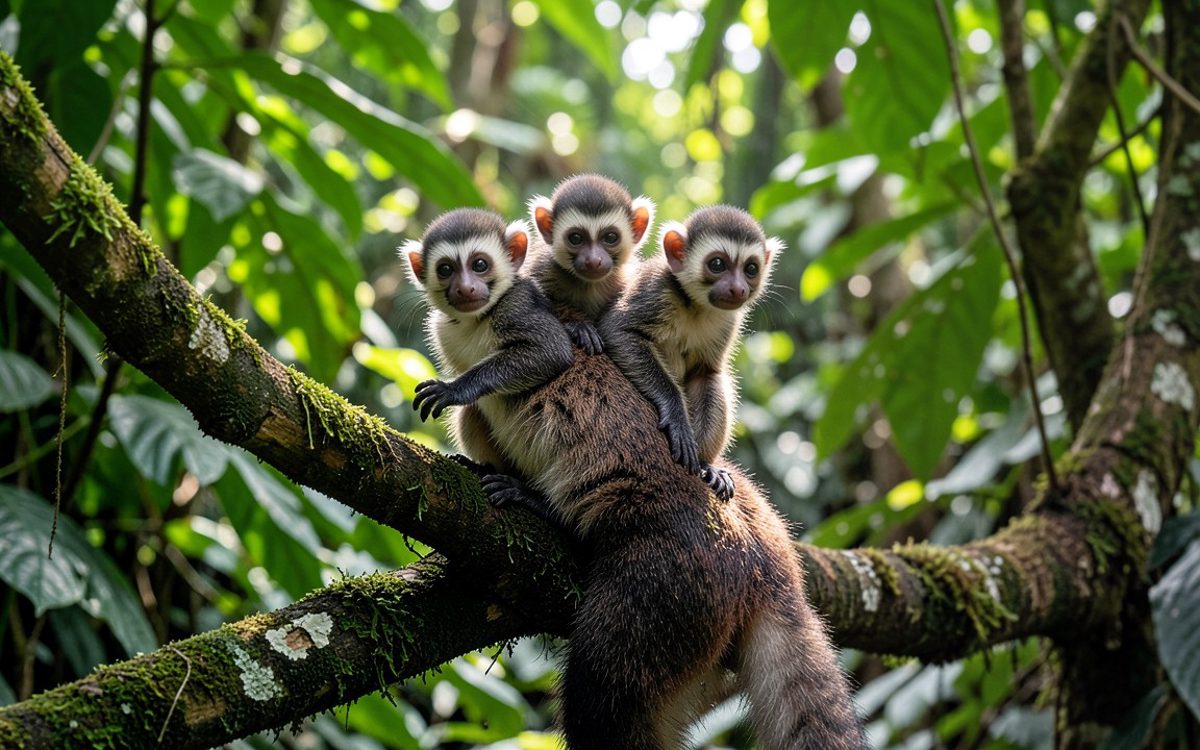
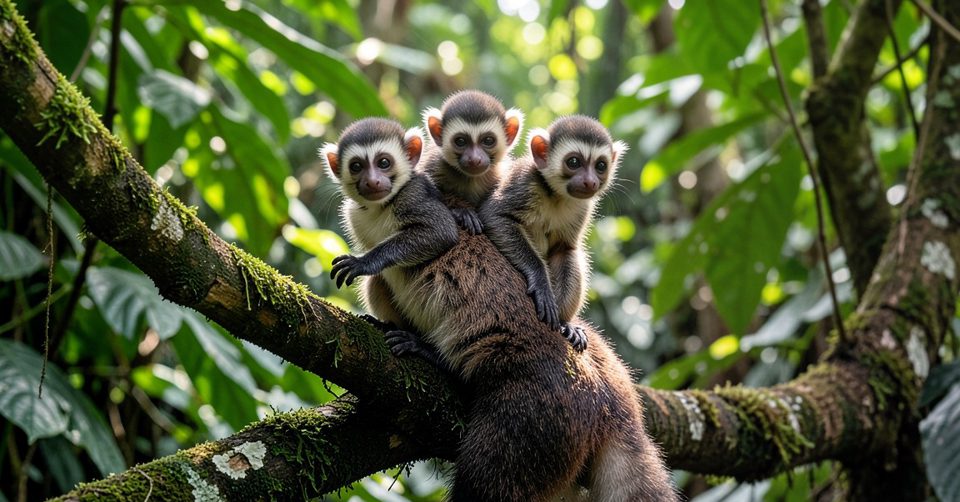
Critically endangered pied tamarin twins were born on 29 September at Shaldon Wildlife Trust in Devon to parents Bobby and Pedra. The trust said the infants are thriving and have started riding on their parents' backs, and it is one of just two European zoos to breed the species this year. The IUCN lists the species as critically endangered, with wild populations restricted to a shrinking pocket of rainforest around Manaus, Brazil.
NASA's Swift satellite re-enters Earth's atmosphere after nearly 22 years
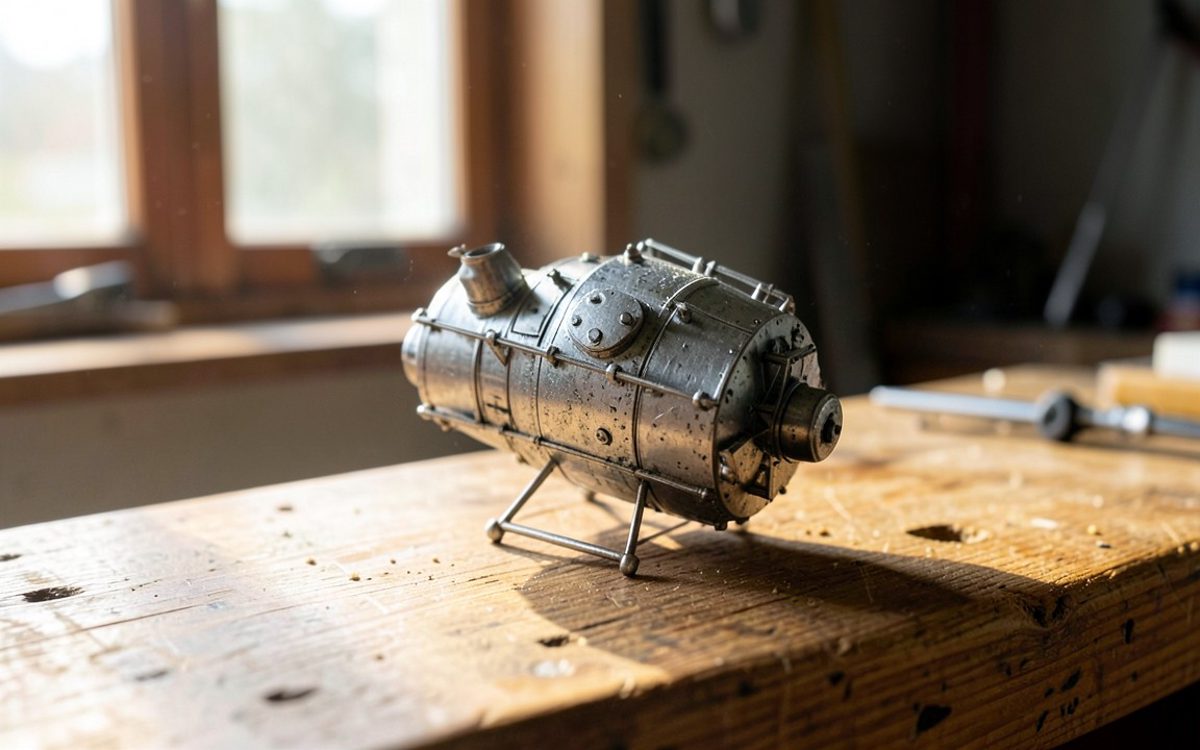
NASA's Neil Gehrels Swift Observatory re-entered Earth's atmosphere on 4 November at 7:39 EST over North Sumatra, Indonesia, after nearly 22 years of service. The recent solar maximum accelerated the decay of its orbit, and a mission to boost its orbit was not successful. Swift carried ultraviolet/optical, X-ray and gamma-ray telescopes, and its data will continue to support studies of energetic cosmic explosions.
ISS photograph shows Utah's Goosenecks carved by San Juan River
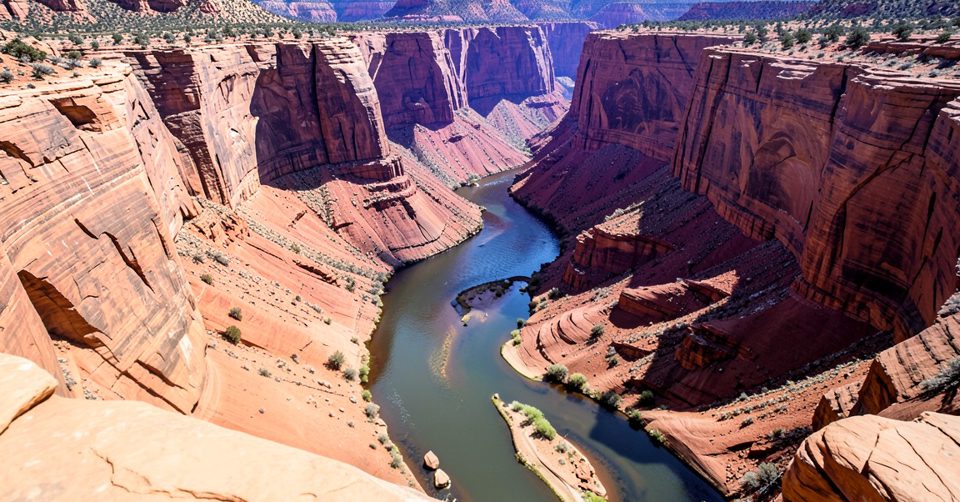
An astronaut aboard the International Space Station photographed Utah's Goosenecks State Park on 6 October 2026, showing the San Juan River's entrenched meanders. The river carved deep horseshoe bends into 300-million-year-old rock after geologic uplift increased its gradient and erosive power. The park, designated an International Dark Sky Park in 2021, offers views of the Double Cluster, Messier 24 and November meteor showers.

 Illustration