Daily Summary of Science & Space · Final editionMonday 2 November 2026 · UTC
Science & Space News: 2 November 2026
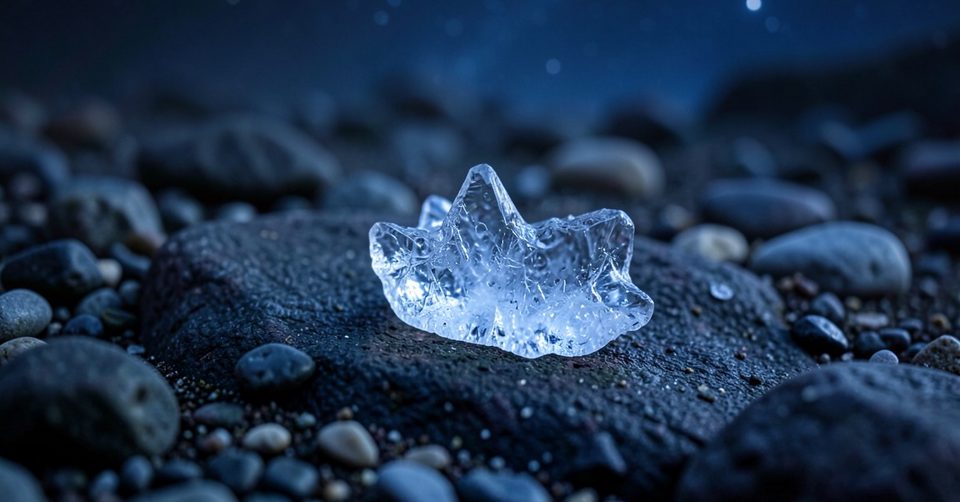
UN warns of ice loss from 1.5C overshoot as JWST hints at black hole seed sites
A UN report warns that even temporary warming above 1.5C can cause permanent losses of glaciers, sea ice and permafrost, urging rapid emissions cuts and carbon removal. Astronomers using JWST say dense high-redshift stellar systems may be birthplaces for intermediate-mass black holes that later grow into supermassive ones. NASA's Perseverance rover became the most traveled vehicle on another celestial body after reaching 45.22 kilometers on Mars.
NASA's Johnson Space Center in Houston marked 65 years since it was established on Nov. 1, 1961, as the Manned Spacecraft Center. The center now serves as NASA's Center of Excellence for Human Spaceflight and is home to the astronaut corps and Mission Control. It supports low Earth orbit operations, the Moon Base Program, the Orion Program and human health research for longer missions.
JWST may have found where heavy black hole seeds formed
A study using JWST data says dense stellar systems at high redshifts, including the Cosmic Gems arc and Firefly Sparkle, may be natural birthplaces for intermediate-mass black holes. The systems have masses of 100,000 to 10 million solar masses and half-mass radii of about 0.4 to 15 parsecs, making them suited to form such holes through collisions. The work offers a possible source for seeds that grow into supermassive black holes.
Inca mummy analysis identifies drugs in capacocha ritual
Archaeologists performed toxicological analysis on hair and nails from eight mummified sacrificial victims from mountains in Peru and Argentina. The study found cocaine in all the mummies, confirming that the individuals chewed coca leaves before death. The results, published in Antiquity, offer new evidence about psychoactive substances used in the Inca capacocha ritual, in which children and young women were offered to deities.
NASA CHAPEA crew returns after simulated Mars stay
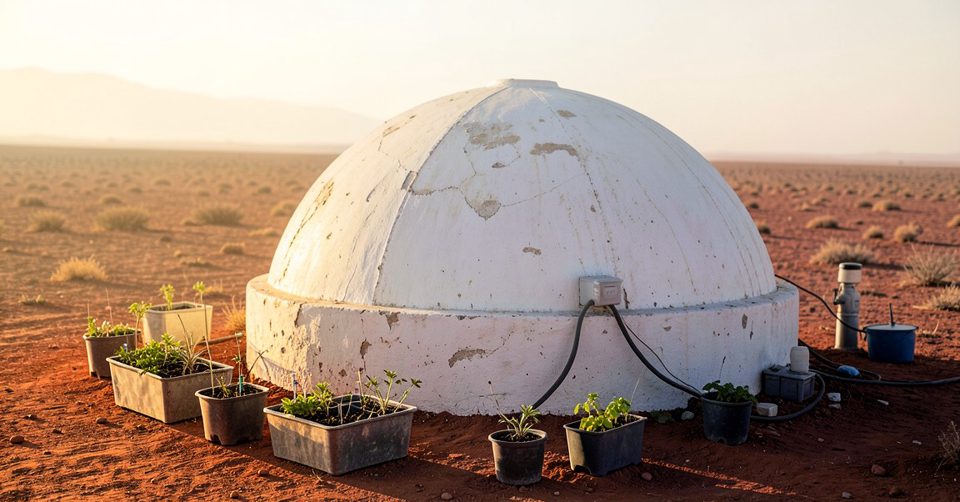
The four-member CHAPEA crew posed outside for the first time in more than a year after ending their simulated Mars journey on Oct. 31, 2026. Matthew Montgomery, James Spicer, Ross Elder and Ellen Ellis spent more than a year testing systems, maintaining crops, managing limited resources and communication delays, and conducting extravehicular activities. NASA says the insights will help design a future Moon Base and plan Mars missions.
NASA targets Nov. 29 launch for CRS-25 Cygnus resupply
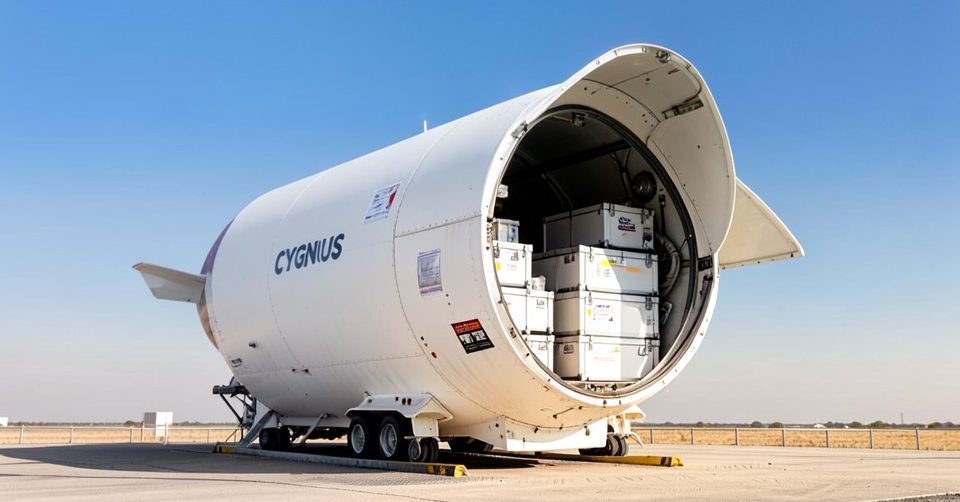
A Northrop Grumman Cygnus XL will launch to the space station on a SpaceX Falcon 9 rocket, targeted for no earlier than 10:49 a.m. EST on Sunday, Nov. 29, from Cape Canaveral. Astronauts will capture the craft with Canadarm2 and attach it to the Unity module's Earth-facing port, where it will remain until May 2027. The 25th Cygnus built for NASA will carry supplies and experiments on drug delivery, cancer spread, muscle loss and radiation.
Deep-sea mining impact on seafloor ecosystem still evident 44 years later
Researchers from the University of Liverpool found that the effects of a 1979 deep-sea mining test in the Pacific Ocean are still visible 44 years later. The study, published in Elementa, shows that organic matter in the sediments remains depleted in quantity and quality, leading to lower abundances of larger animals and single-celled organisms in the mined area.
European flounders found to complete entire life cycle in freshwater
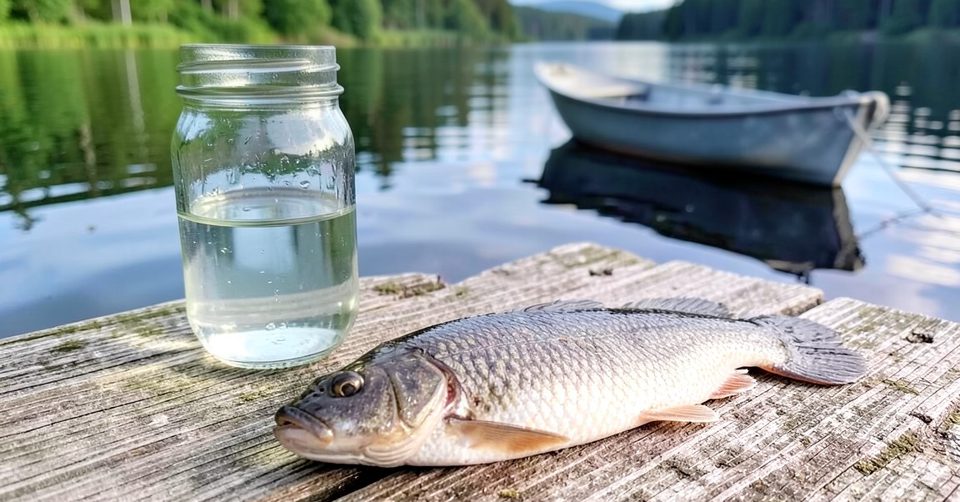
A study published in Evolution provides the first evidence that European flounders in Lake Pulmanki, Finland, can live and reproduce entirely in freshwater. Researchers used otolith microchemistry and genome resequencing to show that most sampled fish spent their whole lives in the lake, challenging the assumption that the species requires marine water for reproduction.
Webb finds interstellar comet 3I/ATLAS built from ice grains unlike solar system comets
The James Webb Space Telescope has revealed that interstellar comet 3I/ATLAS is composed of tiny ice and dust grains that differ significantly from those in solar system comets. These grains, however, resemble those found in trans-Neptunian objects beyond Neptune. The discovery provides new clues about the planet-forming conditions in other star systems, where the comet likely formed 10 to 12 billion years ago.
Satellite radar reveals 2,600-year-old structure buried beneath ancient Egyptian city
Researchers have discovered a 2,600-year-old structure the size of a football field buried beneath Buto, a sacred city in the Nile Delta. Using satellite radar and electrical scans, the team identified a large oval anomaly 420 feet long and 203 feet wide beneath a mound called Kom C. The site, associated with the cobra goddess Wadjet, had previously been difficult to excavate due to high groundwater levels.
Studies find industrialization reshapes gut microbes and their DNA
Researchers at Kiel University have published two papers analyzing how geography, lifestyle, and industrialization affect the human gut microbiome. The work, part of the Global Microbiome Conservancy initiative, systematically examines how these cumulative factors alter microbial colonization and bacterial communities in different populations.
Scientists compared nine silver fox brains, including domesticated, aggressive and wild animals, and found changes in the ventromedial hypothalamus, a region linked to aggression and social behavior in mice. The study used foxes from a Siberian selective-breeding experiment that began in the late 1950s. Published in Current Biology, it suggests environmental pressures can alter brain structure on short timescales.
Hubble finds missing oxygen in nearby dwarf galaxies
NASA's Hubble Space Telescope has revealed that much of the oxygen expected in 37 nearby dwarf galaxies is missing. Researchers from the GLOW project say galactic winds from supernovae are more effective at ejecting oxygen from low-mass galaxies than current models predict, leaving these galaxies with only a small fraction of the element produced by their stars.
Marine cloud study shows internal motion shapes rain
An analysis of more than 700,000 cloud samples found that marine stratocumulus clouds can readily produce drizzle even when they contain relatively little liquid water. The study, led by Brookhaven National Laboratory scientists, says in-cloud air motion helps determine how much rain forms. The finding challenges the common idea that clouds must first accumulate substantial liquid water before rain develops.
Blood chemistry explains why some animals bleed blue or green
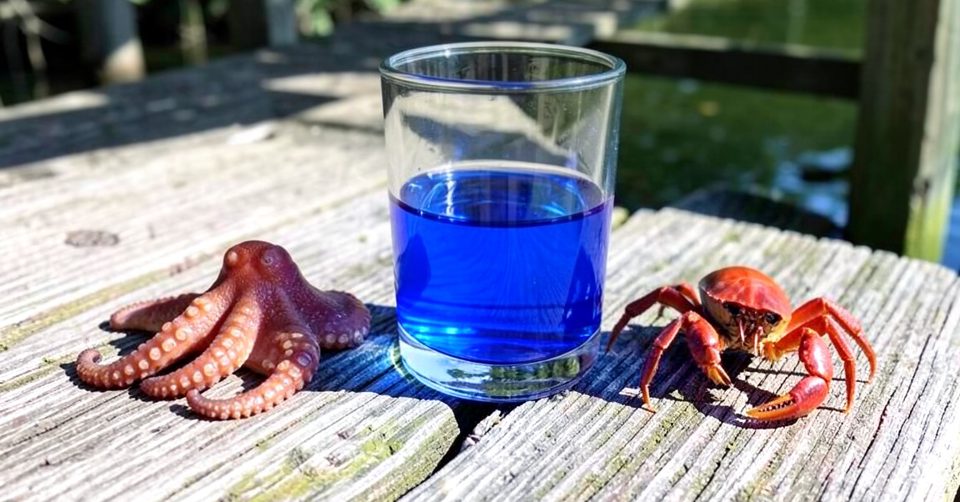
Scientists say blood color depends on the oxygen-carrying proteins animals use. Vertebrates use iron-rich hemoglobin, which makes blood red, while octopuses, squid and crustaceans such as shrimp and crabs use copper-based hemocyanin, which appears blue when bound to oxygen. Some brachiopods and peanut worms use iron-rich hemerythrin, producing violet blood, and some sea squirts have greenish yellow blood linked to vanadium or carotenoids.
115-million-year-old dinosaur bones reveal fossilized red blood cells
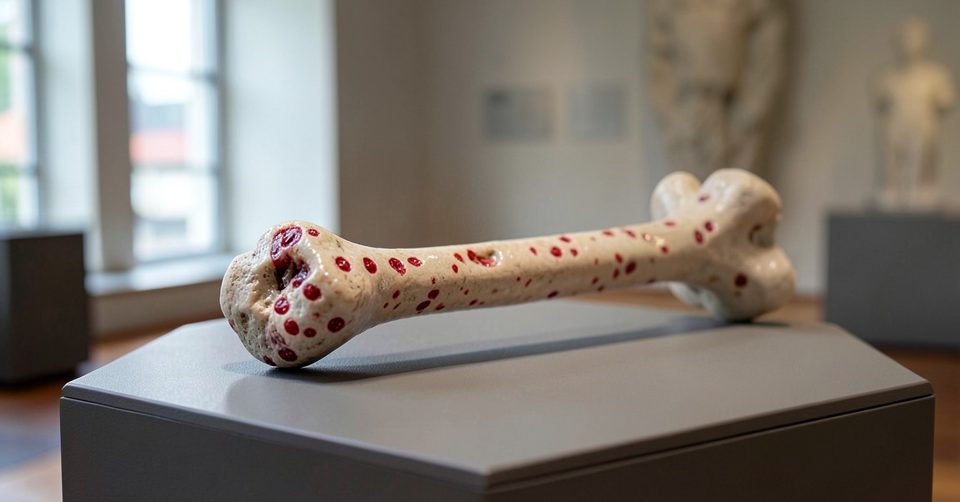
Researchers have found unequivocal evidence of fossilized red blood cells and collagen amino acids in the limb bones of a 115-million-year-old theropod dinosaur from Brazil. The study, published in Proceedings of the National Academy of Sciences, is the first to chemically prove the presence of hemoglobin-derived molecules in fossilized cells.
This discovery challenges assumptions about molecular longevity and offers a new window into the physiology of extinct animals.
Martian polar crater ice shifts with seasonal frost
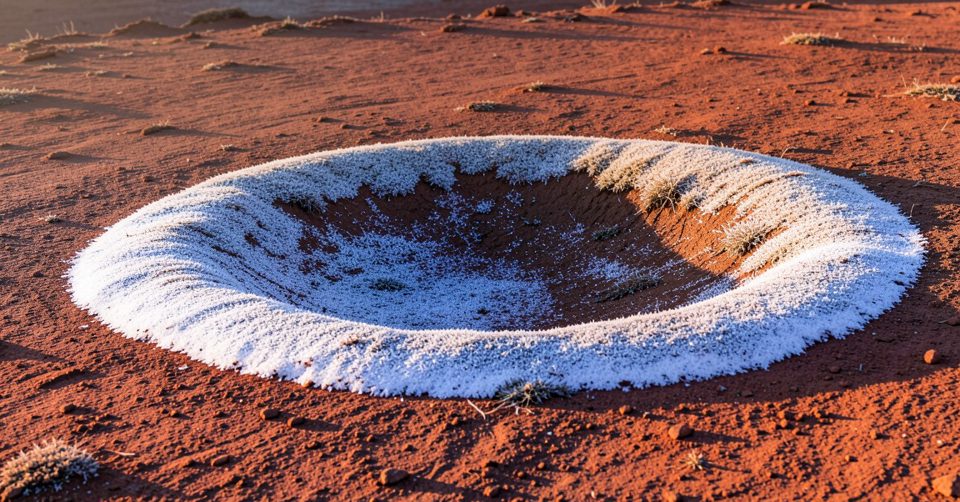
An international team has analyzed images of 36 craters in Mars' northern polar ice cap region to understand seasonal changes in ice deposits. The study, published in the Journal of Geophysical Research: Planets, found that 32 of the craters exhibited changes in bright deposits, indicating that ice expands and shrinks with the seasons. These findings provide new insights into long-term climate changes on Mars.
Virtual Earth simulation helps scientists distinguish life on other planets
University of Washington researchers have built a complex simulation of Earth without life to establish a baseline for planetary atmospheres. The model, published in The Planetary Science Journal, simulates geochemical exchanges over 5 billion years to predict how non-living planets might mimic living ones. This tool will help astrobiologists identify atmospheric conditions that can only be explained by the presence of life.
Parasites and fungi create real-world zombie behavior in insects
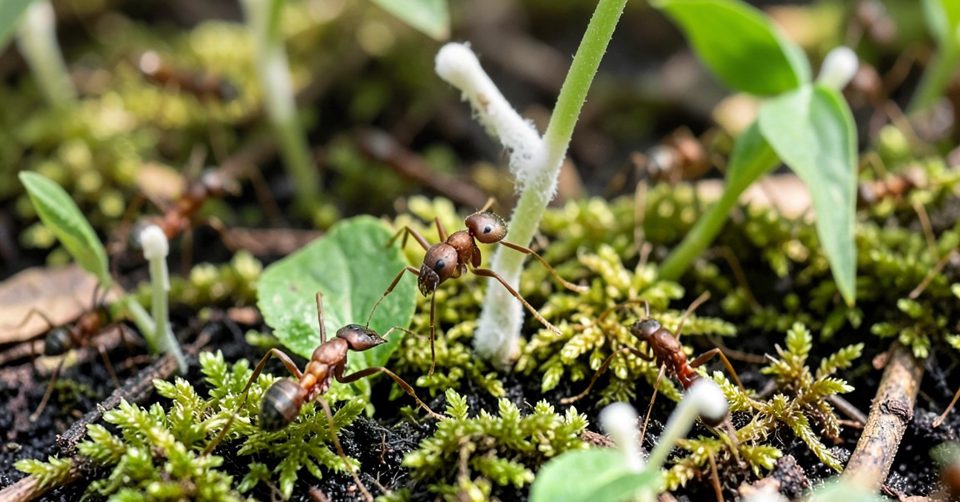
Biomedical engineers explain how parasites and fungi alter the behavior of living hosts to benefit themselves, creating a natural version of the zombie trope. The zombie ant fungus, Ophiocordyceps, is a prime example, forcing ants to climb vegetation and bite onto surfaces to aid spore dispersal. These organisms interfere with biological systems controlling movement and decision-making, rather than bringing the dead back to life.
Coral bacteria produce steroid hormones to help hosts survive heat
A study from NYU Abu Dhabi reveals that bacteria associated with corals produce steroid hormones like testosterone and progesterone when temperatures rise. These hormones help corals mount a stronger immune response to heat stress, increasing cell survival. The findings, published in Nature Microbiology, suggest that bacterial partners play a critical role in coral resilience and could inform new conservation strategies.
Experiment supports theoretical foundation for topological quantum computing
Physicists at the University of Cologne have observed quantum states in a topological insulator Josephson junction that behave as predicted for topological quantum computing. The findings, published in Science Advances, support the interaction between superconductivity and the surface of topological insulators. This progress helps assess the potential for creating error-resistant qubits using Majorana zero modes.
400,000-year-old fossilized termite nests named after South African town
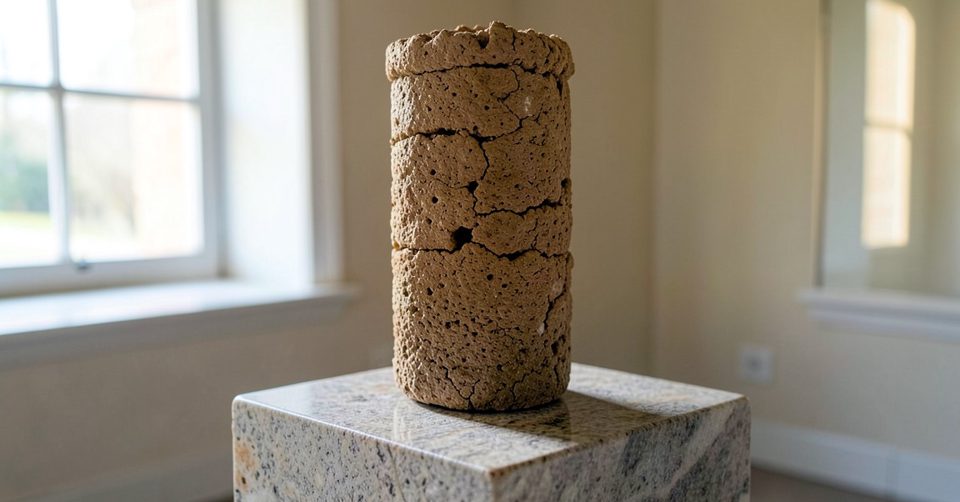
University of Cape Town researchers have named a new species of fossilized termite nest, Columnanidus calitzdorpensis, after the town of Calitzdorp in South Africa's Little Karoo region. The approximately 400,000-year-old structures were identified through their unique cylindrical shape and meter-deep burrows.
The discovery, published in the Journal of Quaternary Science, offers insights into past ecosystems and has been shared with the local community through a poster at the Calitzdorp Museum.
Greek CubeSat achieves challenging laser link to ground station
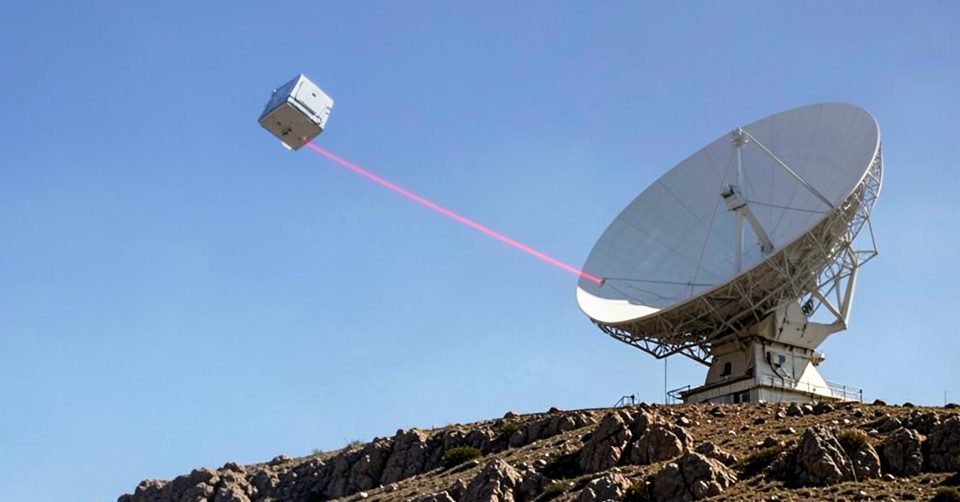
ERMIS-3, an 8U CubeSat developed by the National and Kapodistrian University of Athens, has established a laser link with an optical ground station, marking Greece's first optical connection with a low Earth orbit satellite. The demonstration, supported by the European Space Agency, validated the satellite's ability to perform precise pointing, acquisition, and tracking.
This milestone is a step toward using optical communications to handle the growing volume of data from Earth observation missions.
Study finds tropical volcanic eruptions cool Earth as much as mid-latitude ones
Researchers at Columbia University found that the location of a volcanic eruption does not significantly determine the amount of cooling in the Northern Hemisphere. Using NASA climate models, they discovered that extratropical eruptions produce at most twice the cooling of tropical ones, contradicting previous estimates of a 7.5 times difference.
The study suggests aerosols from tropical eruptions are distributed more evenly across both hemispheres by wind patterns.
Single molecules could provide building blocks for future quantum networks
Scientists from German startup NVision Quantum Technologies have demonstrated a stable qubit using a custom-designed molecular system embedded in a crystal. Published in Nature, the study shows that these molecular qubits can maintain their quantum state for around 2.2 milliseconds and emit stable light for over an hour.
This approach offers a potential solution to the instability problems associated with other quantum materials, paving the way for future quantum networks.
Overlooked material in Ryugu may explain how water spared ancient chemistry
Researchers led by Kanazawa University and the University of Tokyo found an overlooked material resembling poorly crystalline magnesium silicate hydrate in Ryugu and carbonaceous meteorites. It can accommodate a wide range of magnesium-to-silicon ratios under similar aqueous conditions, which may explain how water altered primitive rocks without erasing early solar system chemistry. The study was published in Communications Earth & Environment.
Curiosity may drive the evolution of complex brain structures
Researchers at the University of Cambridge found that artificial neural networks trained with high levels of curiosity developed structures resembling human brains. These curious models showed greater cognitive flexibility and organized into interconnected modules, suggesting curiosity helps shape brain complexity.
The study used eye-tracking data from infants to design the learning algorithms, indicating that the drive to seek new information may be fundamental to brain development.
Math model explains why birds flap wings to land safely
University of Manchester researchers used mathematical modeling to show that birds flap their wings during landing to manage speed within limited space. The study found that gliding to a complete stop would require significantly higher approach speeds and more distance than birds typically have. This explains why birds use flapping to maintain aerodynamic control while slowing down, offering insights into bird evolution and landing mechanics.
Researchers document unusual sexual bond between a bull and a male donkey
Scientists have documented a consistent sexual relationship between a bull named Achille and a male donkey named Patroclo on an Ethiopian plateau. The pair, who belonged to different owners, repeatedly chose each other over other potential partners, engaging in mounting, licking, and rubbing. The study, published in Current Biology, highlights the complexity of social and sexual interactions in the animal kingdom.
Blue whales missing near Galápagos, scientists think El Niño may be why
A nine-month expedition from October 2025 to July 2026 found no blue whales in waters around the Galápagos where they had historically been recorded. The absence coincided with an El Niño event that made ocean temperatures unusually warm, with sea surface temperatures reaching 82F. Researchers suspect the whales may be seeking colder, more productive waters farther south, possibly off Peru, but the animals have not been located.
Roman Lycurgus Cup features ancient color-changing nanotechnology
The Lycurgus Cup, a Roman glass goblet acquired by the British Museum in 1958, changes color from jade green to ruby red depending on the light source. Experts believe the fourth-century artifact, which depicts the mythical king Lycurgus, may have used early nanotechnology to mimic the ripening of grapes, though the exact origin of the color-changing effect remains uncertain.
Arabia survey finds water alone did not draw early humans inland
A roughly 1,500-kilometer survey of ancient Arabian deserts found no early human occupation in the sandy interior, despite ancient lakes at 55 locations. Researchers at the University of Algarve found that 57% of areas considered accessible to water lacked suitable stone for toolmaking. The Nature study suggests earlier dispersal models overestimated how much of Arabia could support stone-tool-dependent populations.
Two new bandicoot species identified from museum specimens
A 10-year investigation of museum specimens has uncovered two previously unrecognized bandicoot species and expanded the known range of the quenda. Published in the Australian Journal of Taxonomy, the study used DNA analysis and skull measurements to reassess the genus Isoodon, reshaping understanding of Australia's native marsupials.
Chinese software generating papers in two hours threatens peer review
Statistician Andrea Riebler discovered a Chinese vendor selling software that produces ready-to-publish research papers in under two hours using public health data. The tool allows for the mass production of standardized analyses without shared source code, making quality checks difficult and raising concerns about the integrity of the peer-review system.
IceCube detects neutrinos with 10 billion times solar energy
The IceCube Neutrino Observatory has detected high-energy neutrinos with energy levels 10 billion times greater than those from the Sun. These ghost-like particles, which pass through Earth with almost no resistance, offer new opportunities to study extreme cosmic environments. The discovery highlights the importance of neutrino research, which has contributed to five Nobel Prizes in Physics.
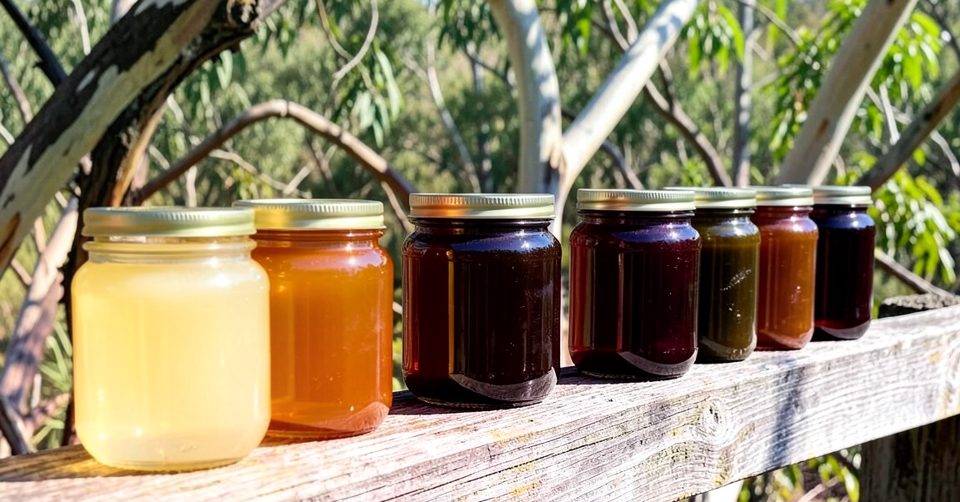
Chemical fingerprint of Kangaroo Island honey reveals impact of Black Summer fires
Researchers have chemically characterized honey from Kangaroo Island's protected honeybees for the first time, providing scientific backing for its purity and provenance. The study analyzed 120 samples from 2014 to 2026, identifying 13 distinct honey types and tracking how the island's honey changed before and after the 2019-2020 Black Summer fires. The findings offer a practical basis for verifying honey sold under the Kangaroo Island name.
Ultrathin kagome material opens route to quantum states
Researchers have created a two-dimensional kagome material called kagomene that retains tunable electron states with nearly identical energies. Published in Nature Physics, the study shows this single-layer material hosts flat band electrons, which are promising for discovering exotic quantum phenomena. The material provides an ideal system for studying quantum physics without the complexities of three-dimensional structures.
Dusty Milky Way cluster VVV CL001 may be 13.4 billion years old
Astronomers say VVV CL001, a metal-poor globular cluster near the Milky Way's center, is about 13.4 billion years old, making it one of the galaxy's oldest known star clusters. Thick interstellar dust made its distance and age hard to measure, but the new work was accepted for publication in Astronomy & Astrophysics. The cluster's unusual motion suggests it may not really belong to the region where it appears.
Perseverance rover breaks record with 28 miles traveled on Mars
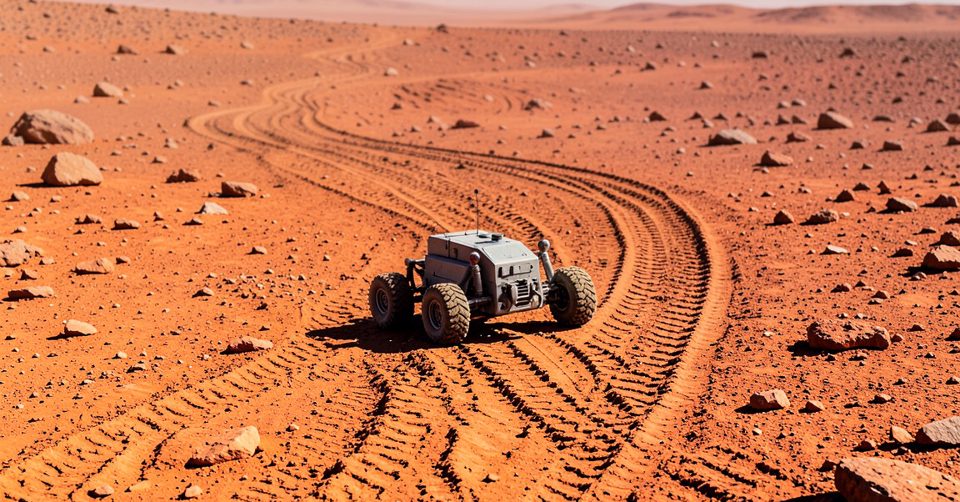
NASA's Perseverance rover reached 45.22 kilometers (28.10 miles) on October 11, 2026, becoming the most traveled vehicle on another celestial body. The rover had paused its record-breaking drive for two months to examine scientifically valuable ancient rock formations in a complex terrain area.
Engineers improved the rover's navigation capabilities, including updated braking software and increased steering motor limits, to handle the difficult Martian landscape.
Rocket Lab to launch Japanese Earth-observing satellite
Rocket Lab is scheduled to launch its 99th mission today from New Zealand on an Electron rocket, with a window opening at 11:30 a.m. ET. The mission, called The Sea God Surveys, will carry an Earth-observing radar satellite for Japanese company iQPS. It is Rocket Lab's 10th launch for iQPS, which is building a constellation of 36 synthetic aperture radar satellites in low Earth orbit.
Venus, waning Moon and Spica form a dawn trio this week
Early risers this week can see Venus, a waning crescent Moon and Spica low in the east-south-east before sunrise. The Moon will be two days from new, with 4% of its Earth-facing disc lit, and earthshine may make its dark side faintly visible. The grouping is also visible from the southern hemisphere, where it appears higher in the eastern sky before sunrise.
Enzyme PNGaseA found to help infant gut bacteria access breast milk nutrients
Microbiologists have discovered that the enzyme PNGaseA, usually associated with recycling cell components in animals and plants, helps certain Bifidobacterium species access sugars in breast milk. Published in Nature Communications, the study shows this enzyme allows bacteria to feed on nutrients found in human milk but not in infant formula, aiding the development of a healthy infant gut microbiome.
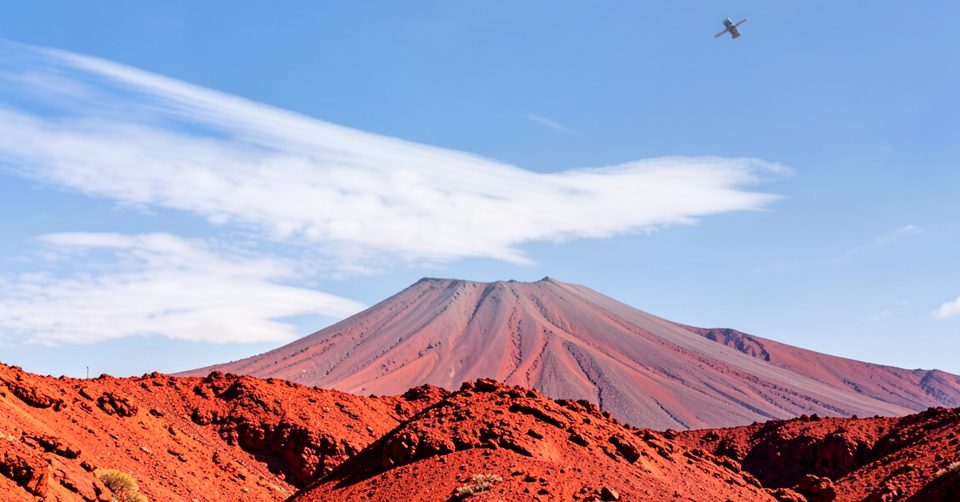
NASA's Astronomy Picture of the Day features the Arsia Mons Elongated Cloud, an unusually long water-ice cloud on Mars. First recorded by NASA's Viking Orbiter 2 in 1977 and imaged more recently by ESA's Mars Express, it forms in spring and summer mornings. Wind can stretch its tail over 1,500 kilometers, and leading speculation says dust is not involved.
Landsat image shows Pine Creek Gorge in fall colors
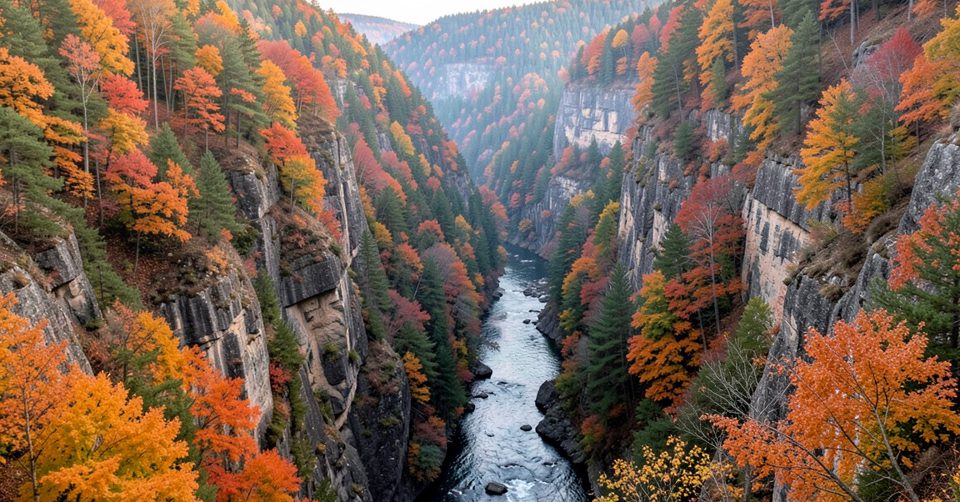
NASA-USGS Landsat 8 captured an image of Pine Creek Gorge, called the Grand Canyon of Pennsylvania, on October 25, 2026, showing fall foliage. The 45-mile gorge reaches depths of about 1,500 feet and was shaped when glaciers dammed the river and meltwater deepened the valley.
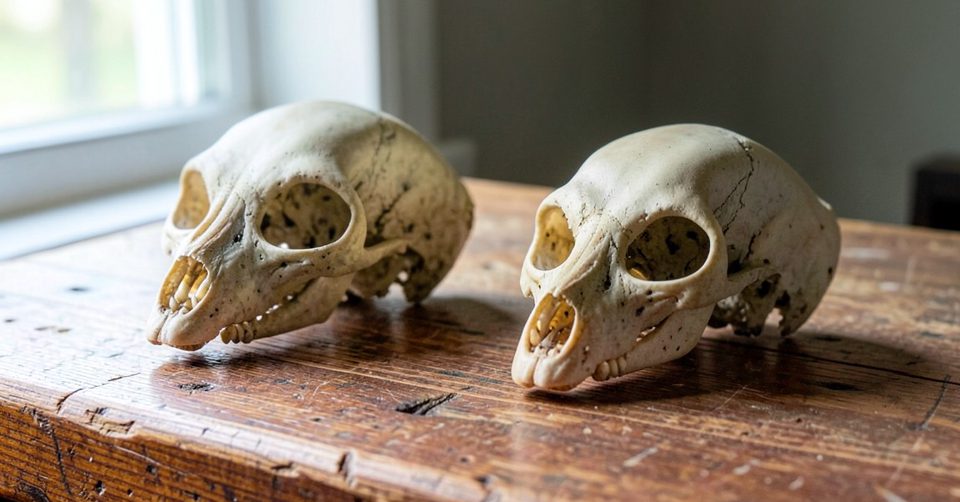
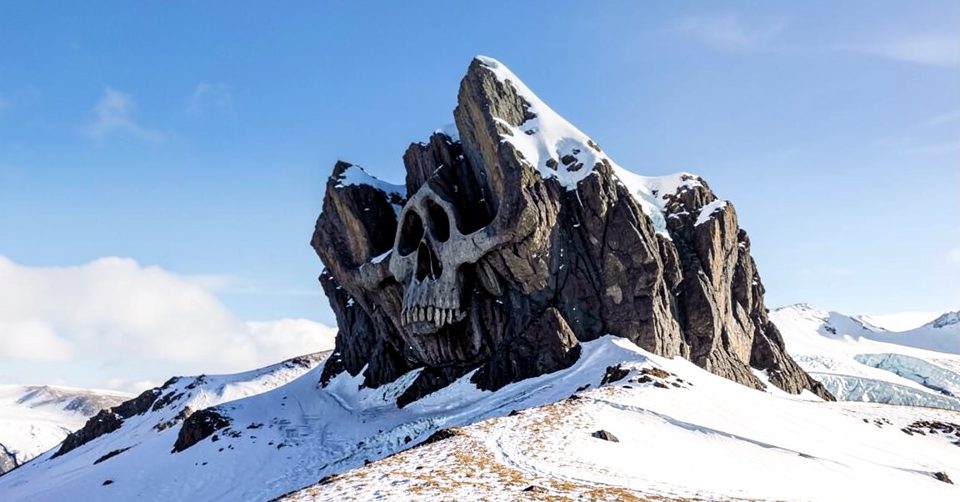
NASA images show skull-like island losing snow cover
NASA satellite images of Vega Island in Antarctica reveal a significant loss of snow cover between March 2025 and October 2026. The island, which resembles a skull due to its rocky and icy features, now has extensive areas of exposed dark glacier ice. Glaciologists warn that this lack of snow, caused by warm winter conditions and sublimation, may accelerate melting as daylight increases.
Study links Van Gogh's Starry Night to real sky over Saint-Rémy
A new study by SLLAB and Kyung Hee University says Vincent Van Gogh's The Starry Night depicts a realistic night sky over Saint-Rémy. The researchers, publishing in Scientific Reports, narrowed the dates when a crescent Moon, Venus and the Hyades star cluster could have fallen within Van Gogh's field of view. They note the traditional June 18, 1889 date conflicts with the Moon's waning gibbous phase.
Ancient DNA reveals Ice Age Europeans were more connected
New genetic evidence from 30,000-year-old remains shows that Ice Age Europeans were far more interconnected than previously believed. A woman's genome from Isturitz Cave in southwestern France contained ancestry from both western and central-eastern Europe, suggesting genetic mixing occurred around 32,500 to 31,500 years ago.
These findings challenge the idea that eastern and western European populations remained largely isolated during the Paleolithic era.

 Illustration