Daily Summary of Health · Live edition, updated continuouslyFriday 6 November 2026 · UTC
Latest Health News Today: 6 November 2026
Siemens Healthineers to carve out Olyrian as Evaxion presents AML vaccine data
Siemens Healthineers has begun carving out its in vitro diagnostics business as Olyrian Diagnostics and will change its own name to Healthineers, with the Olyrian transition expected to be completed by mid-2028. Evaxion will present new data for EVX-04, an off-the-shelf therapeutic vaccine for acute myeloid leukemia, at the ASH 2026 meeting.
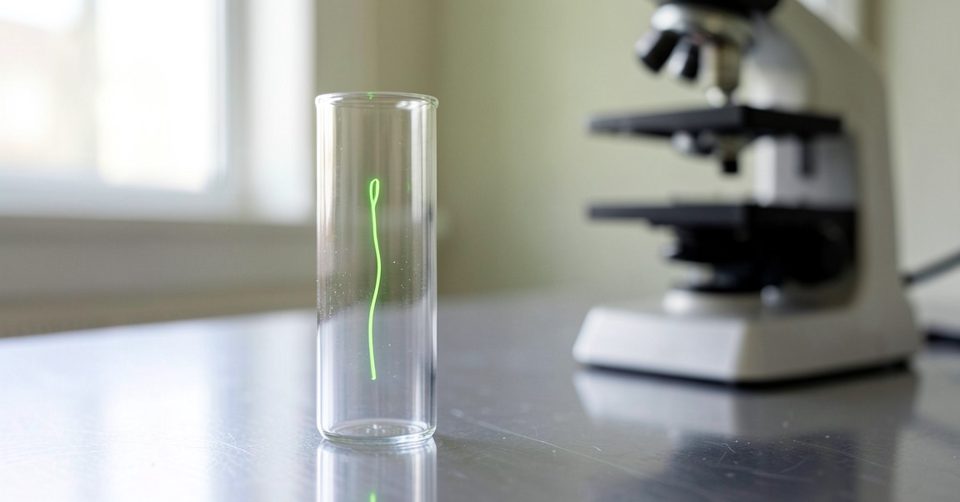
A new method for measuring transfer RNAs on active ribosomes may help develop medicines for genetic diseases.
Siemens Healthineers to become Healthineers and carve out Olyrian
Siemens Healthineers announced it has initiated the carve-out process for its in vitro diagnostics business, which will operate as a standalone company named Olyrian Diagnostics. The company also said it will change its name to Healthineers, and the Olyrian transition is expected to be completed by mid-2028. It said products, services, contracts, service levels and customer points of contact will not change during the transition.
Evaxion A/S will present new data for EVX-04, an off-the-shelf therapeutic vaccine for acute myeloid leukemia, at the ASH 2026 meeting. The company says the data show broad patient coverage, conserved target expression and ERV-specific T-cell responses in humanized mice. The results build on earlier preclinical work and address a need for less toxic treatment in patients who cannot receive intensive chemotherapy or stem cell transplantation.
New method identifies active tRNAs on ribosomes and may aid genetic disease medicines
Researchers at the Centre for Genomic Regulation in Barcelona reported in Nature Methods a technique that measures only transfer RNAs on active ribosomes, rather than all tRNAs in a cell. The method found that working tRNAs can differ from the cell's total pool, especially under stress, and may reveal how cancer cells and viruses use tRNAs. It could also accelerate tRNA medicines for inherited diseases caused by premature stop signals.
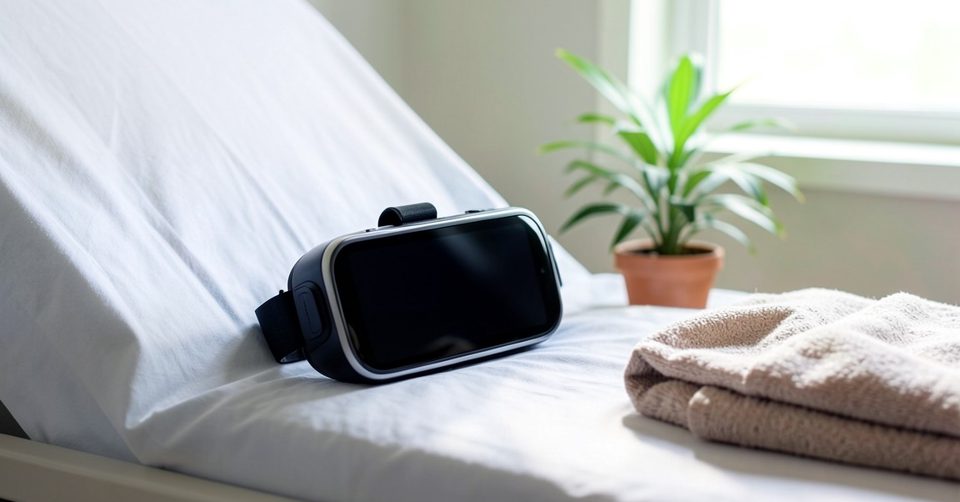
Virtual reality reduces anxiety among children awaiting surgery
A study published in PLOS Digital Health found that children who used a virtual reality headset before surgery showed reduced self-reported distress and lower heart rates. The custom VR experience, which featured a children's room or a beach scene, was provided to 80 children aged 6 to 15 at a US children's hospital.
While the study lacked a control group, researchers concluded that VR was a feasible and safe non-pharmacological alternative for managing pre-surgery anxiety.
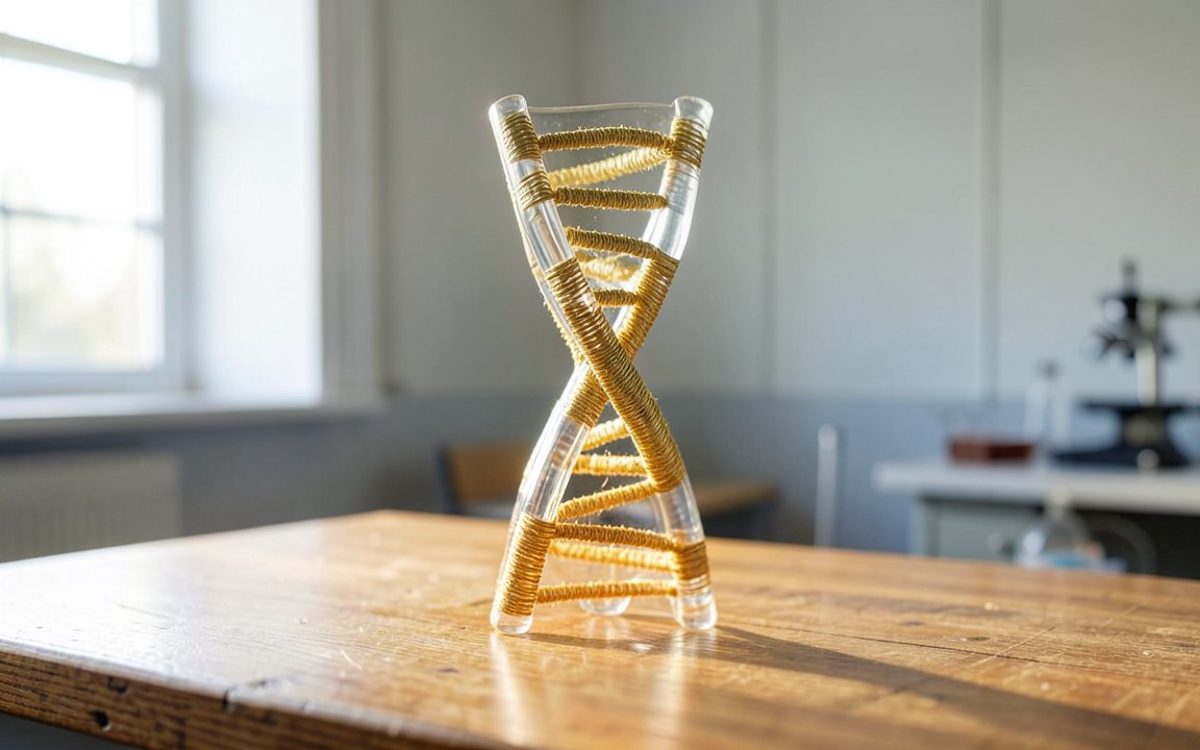
New genomic tools improve detection of rare DNA changes
Researchers at Washington University School of Medicine have verified the accuracy of new genetics tools for identifying rare DNA changes known as somatic mosaicism. These variations, which differ between tissues in the same person, play a critical role in aging and cancer risk.
The findings, published in Cell Press journals, are part of the Somatic Mosaicism across Human Tissues Network and pave the way for understanding how these variants impact health.
Nail salon workers face underestimated risks from chemical exposure
A study published in Risk Analysis found that nail salon workers in New York City face greater health risks from chemical exposure than previously understood. Researchers tracked air quality minute-by-minute and found that volatile organic compound concentrations spiked repeatedly throughout the workday, revealing short-term peaks that traditional full-shift averages overlook.
The findings suggest that occupational exposure limits may not adequately protect vulnerable groups, including women of reproductive age.
Screening initiative triples chlamydia and gonorrhea testing in adolescents
Researchers at Children's Hospital of Philadelphia found that a systematic quality improvement initiative tripled chlamydia and gonorrhea screening among adolescents. The approach combined electronic health record alerts, pre-visit questionnaires, and universal opt-out testing across 33 primary care practices.
The study, published in Pediatrics, suggests this method is a feasible way to integrate STI screening into routine well visits to detect infections that are often asymptomatic.
Study examines heatwave impacts on older adults' well-being in Sweden
Researchers at Umeå University are using climate chambers and virtual environments to identify ways to protect older adults' mental well-being during heatwaves. The project, funded by the Swedish research council Formas, uses physiological sensors and brain activity monitoring to study how indoor heat affects stress, fatigue, and sleep.
The study focuses on northern Sweden, where homes are traditionally designed to retain warmth, to evaluate realistic adaptations for a warmer climate.
New microscopy technique reveals how drugs affect living cells
Researchers from Bielefeld University and the University of Vienna have developed a new microscopy technique that combines super-resolution imaging with fluorescence lifetime measurements. The method, published in Optica, allows scientists to see where molecules are located within a cell and how their molecular environment changes, such as pH levels.
The technique is being used in the European CHEM-SCAN project to investigate how chemotherapeutic agents affect cancer cells and metastases.
Southern Europe eats closest to planetary diet despite high diabetes rates
A new European study investigates the intersection of climate, dietary patterns, and diabetes, finding that Southern Europe's food supply is closest to the Planetary Health Diet recommendations. Researchers from Italy, the Netherlands, and other institutions compared regional food supplies, diabetes prevalence, and temperature trends across Europe.
The study raises questions about why diabetes remains high in regions with healthier food supplies, considering factors like climate change and food system emissions.
Modern lifestyle challenges make Mediterranean diet harder to maintain
A review published in Applied Sciences examines why the traditional Mediterranean diet is becoming increasingly difficult to maintain in the 21st century. Researchers from Portugal and Spain identified long working hours, rising food costs, and the convenience of ultra-processed meals as key factors driving a decline in adherence.
The study proposes strategies for adapting the diet to contemporary urban lifestyles to combat rising rates of obesity and chronic disease.


 Illustration