Daily Summary of Science & Space · Live edition, updated continuouslyThursday 5 November 2026 · UTC
Latest Science & Space News Today: 5 November 2026
ISS solar array upgrade nears end as Mars shows volcano clues and a mini-moon appears
Astronauts are set to finish the ISS solar array upgrade with a spacewalk that will raise the station's power by about 30 percent. Scientists linked hydrogen chloride gas on Mars to fresh fissures near Alba Mons, suggesting possible volcanic activity and a heat source that could help microbial life survive. Earth captured a temporary mini-moon, 2026 QQ8, that will remain in orbit through December.
CT scans open 400-year-old padlock from Ann Francis wreck
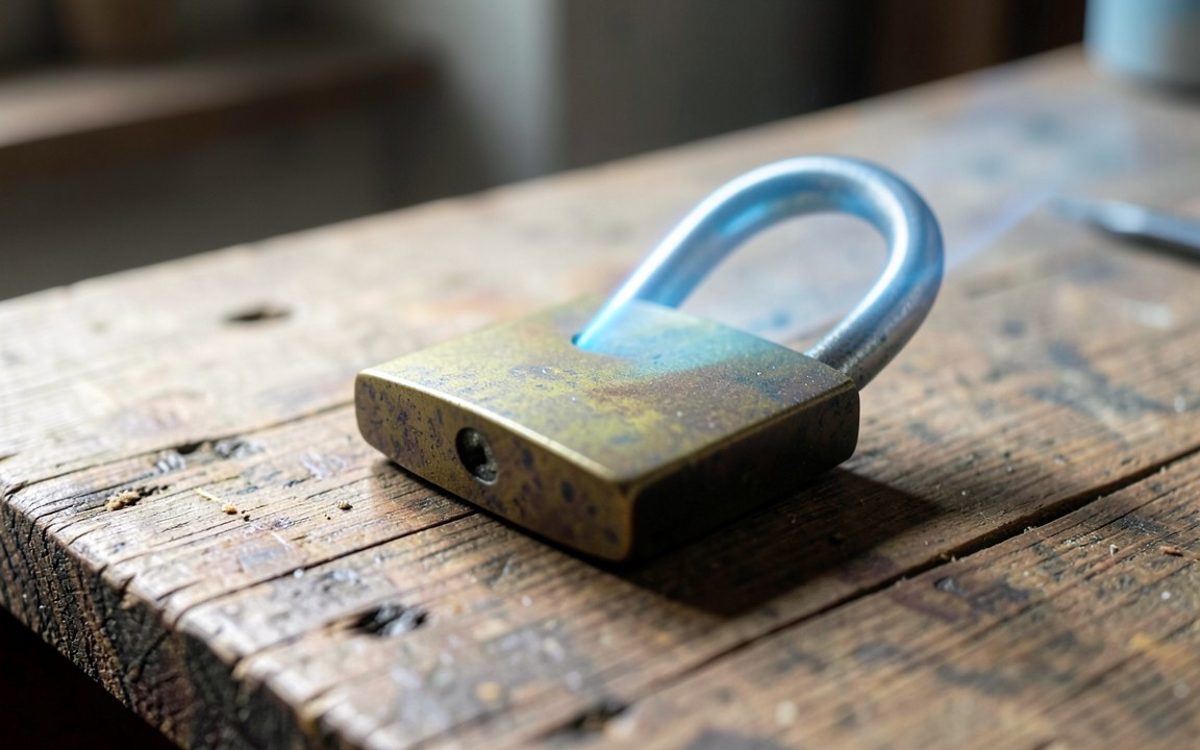
Researchers used micro-CT scans to decipher the four-letter combination ANCE on a brass padlock from the Ann Francis treasure hoard. The Elizabethan lock, part of the hoard found in South Wales, was opened for the first time in more than 400 years. It likely secured a chest aboard the merchant ship, which wrecked off Wales in 1583 while returning from Spain.
Siberian tomb hair gives earliest definitive evidence of psychoactive cannabis
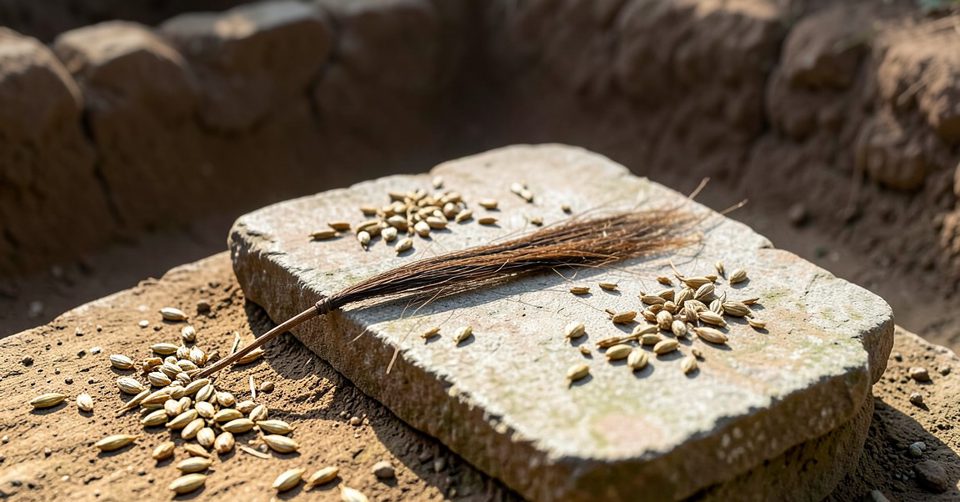
In the 2,800-year-old Tunnug 1 burial mound in southern Siberia, researchers found a preserved human hair and whole cannabis seeds, described as almost 1,000 or more than 1,000. Hair analysis detected cannabinol and THC, indicating the person likely felt psychoactive effects. The Scythian-era grave also held sacrificed horses and scattered human bones, suggesting a funerary ritual.
Earth captures temporary mini-moon 2026 QQ8 until 2027
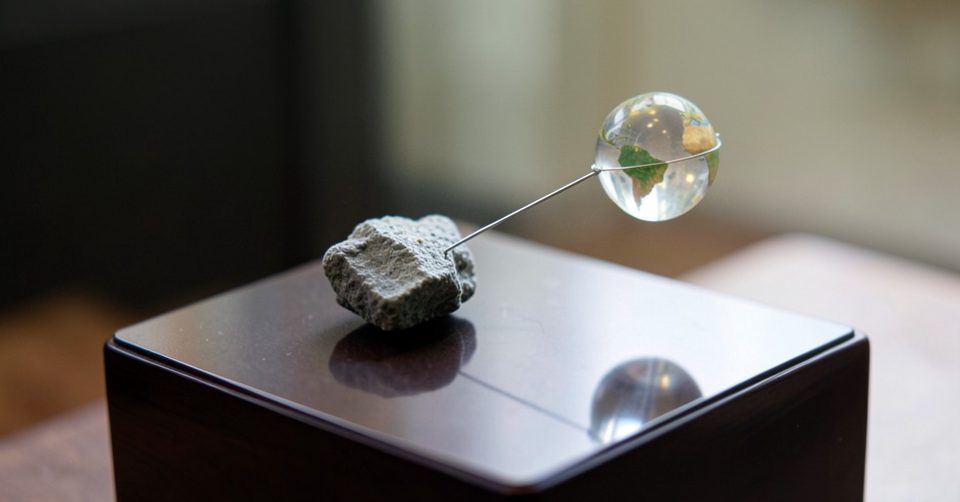
Astronomers reported that the space rock 2026 QQ8 entered Earth orbit in April 2026 and was first observed in August. The Minor Planet Center said it will remain a temporary satellite through December before breaking away in 2027. The object is about 2 meters across, larger than the average temporary satellite, and will come no closer than about 568,000 kilometers to Earth.
Rare leprosy strain found in 1,600-year-old German burial
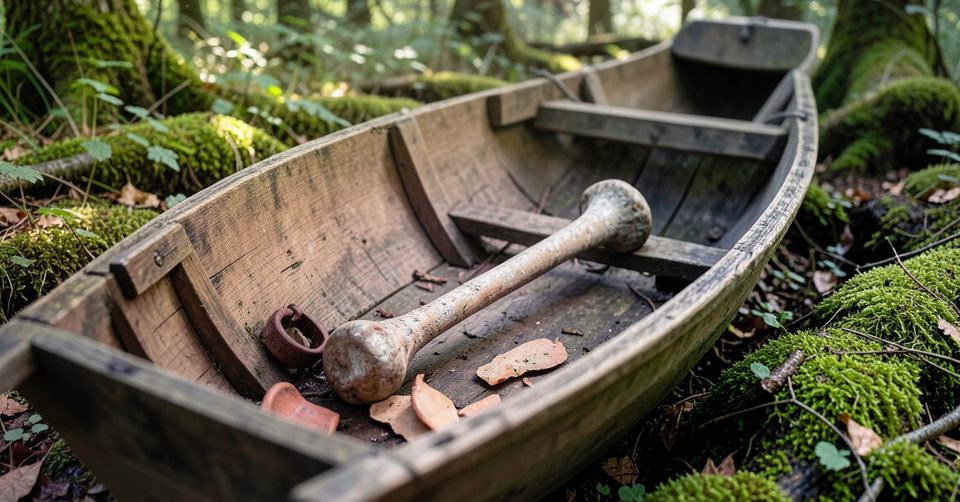
Archaeologists found a rare strain of Mycobacterium leprae in the bones of a man buried in a wooden boat at the Roman-era settlement of Fallward in northwestern Germany. The man died between A.D. 425 and 450 and was buried with grave goods, including a late Roman military belt. The strain had not been seen in this part of Europe before, suggesting he may have traveled or interacted with people across the Roman world.
Microplastics may be changing the colour of the Pacific Ocean
Satellite data shows the ocean near the Great Pacific Garbage Patch has brightened in blue and green light over two decades. Researchers found that adding microplastics to computer simulations made this specific color change four times more likely than natural variations. The discovery highlights a new visual impact of plastic pollution on the marine environment.
Voyager 1 recovers from communications glitch in interstellar space
NASA's Voyager 1 probe re-established contact with Earth after a 48-hour communications glitch in October. The spacecraft appears to have entered a safe mode, automatically switching to backup thrusters before engineers could intervene remotely. The incident is the first of its kind for the probe, which is now nearly one light-day from Earth.
JWST finds water ice in 3I/ATLAS locked in mixed grains
James Webb Space Telescope observations of 3I/ATLAS show that the interstellar object contains water ice, but the ice is locked in microscopic grains with dark rocky minerals such as pyroxene and carbon. The mixed particles explain why some expected water-ice absorption signals were weak and why the object appeared blue in near-infrared light. The finding clarifies the water ice content of the most recent visitor from beyond the solar system.
Jessica Watkins becomes first Black woman to command a space mission
NASA astronaut Jessica Watkins became the first Black woman to command a crewed mission to space when she led SpaceX Crew-13 to the International Space Station. The mission launched on Oct. 1 and is expected to last about six months. Watkins, a geologist and former professional rugby player, has previously flown on SpaceX Crew-4 in 2022 and has spent more than 200 days in space.
Amber fossils show Australian fragment seeded Southeast Asia's forests
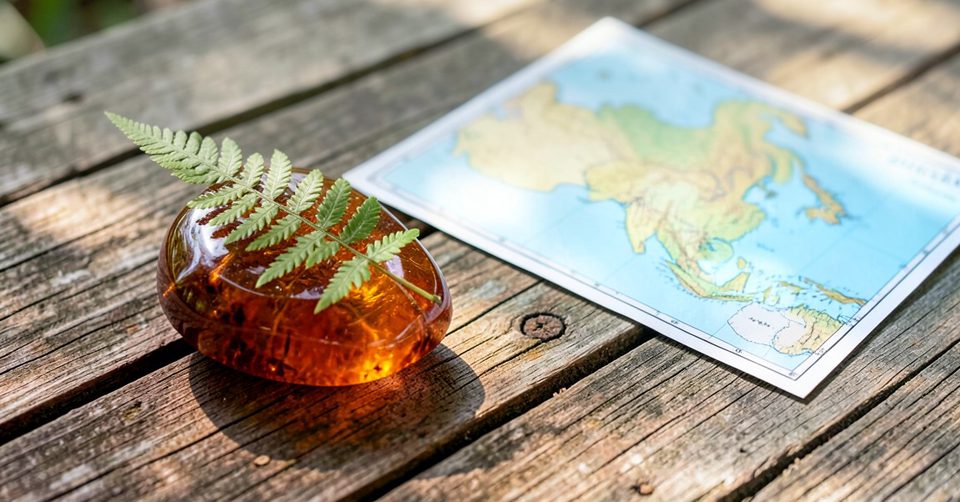
Plant fossils in Myanmar amber show that the West Burma Block, a crustal fragment from northwestern Australia, carried ancient plants north across the Tethys Ocean. The fragment later collided with Southeast Asia, helping seed the region's tropical forests and their rich biodiversity. The finding challenges earlier ideas that the forests evolved sometime after the dinosaurs went extinct around 66 million years ago.
Molecule added during melting gives glass new magnetic and light properties
Scientists from TU Dortmund, Paderborn, Duisburg-Essen and Oxford found that adding 1,10-phenanthroline while making certain metal-organic framework glasses can rearrange their chemical bonds. The molecule lowers the melting temperature and changes how metal atoms connect, allowing magnetic or light-emitting properties that were previously difficult to achieve. The method could support gas storage, batteries and optics.
Astronauts to finish ISS solar array upgrade in spacewalk
NASA astronaut Anil Menon and Canadian Space Agency's Joshua Kutryk will install the eighth and final International Space Station Roll-Out Solar Array on Nov. 5 in a spacewalk of about seven hours. The work will complete a power upgrade begun in June 2021, raising the station's generating capacity from 160 kilowatts to about 215 kilowatts, a boost of about 30%. It is their second spacewalk in a week.
Ancient teeth show Homo erectus exchanged genes with Denisovans
Researchers recovered ancient proteins from the enamel of six Homo erectus teeth dating to about 400,000 years ago, finding that the species exchanged genes with Denisovans in East Asia. The shared protein signature confirms the identity of the Hexian fossils and suggests some genetic legacy reached living people in the Philippines, Papua New Guinea and across southeast Asia. The Nature study revises the old tree model of human evolution.
Scientists discover mysterious “lonely” brain waves linked to memory loss
UC Berkeley researchers found a connection between disrupted brain waves during deep sleep and the accumulation of tau protein, which is associated with Alzheimer's disease. The study shows that tau buildup in the frontal cortex weakens the slow electrical waves that help preserve memories overnight. This finding offers new clues about why memory performance declines in aging brains.
Goodbye, cavities? Scientists create gel that could regrow tooth enamel
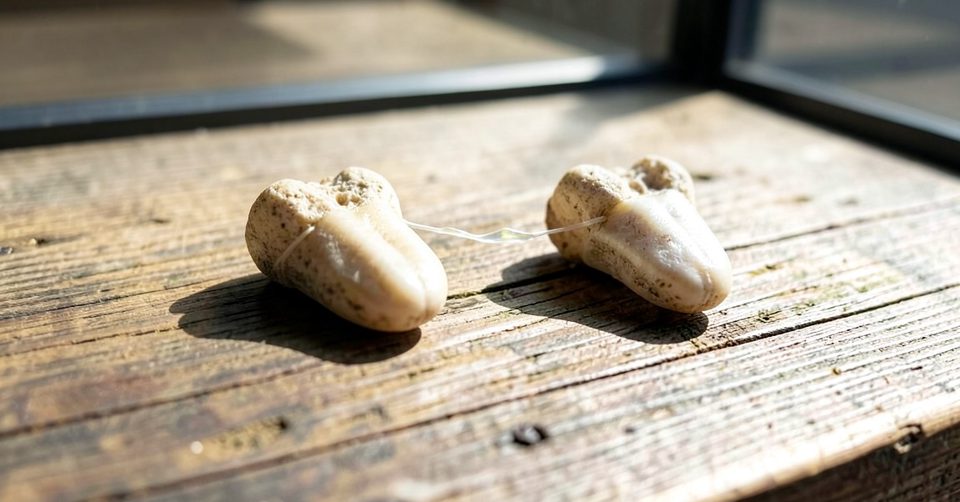
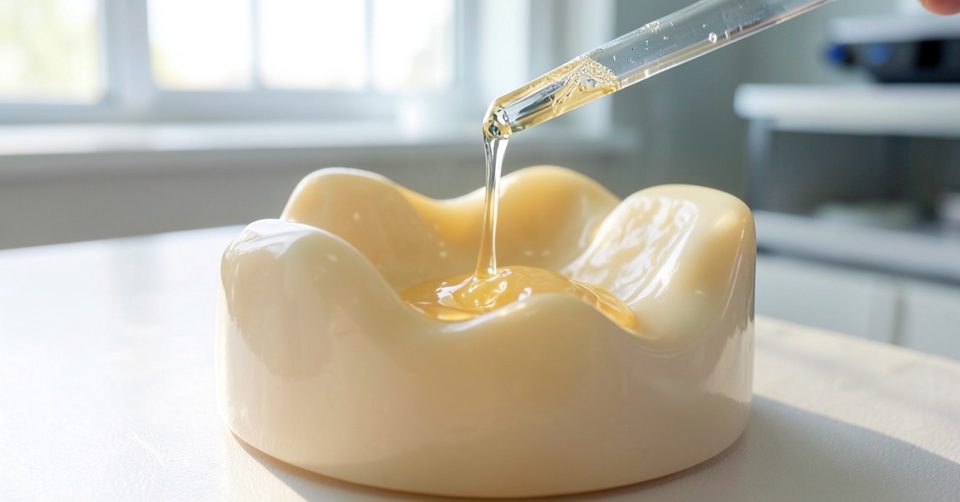
Researchers at the University of Nottingham developed a gel that can regrow damaged tooth enamel, a tissue that cannot naturally regenerate. The fluoride-free gel uses proteins to guide the orderly growth of new mineral crystals, integrating them with the existing tooth structure. The treatment could be applied directly to teeth in a manner similar to existing fluoride treatments.
Scientists solve 30-year-old mystery and discover a hidden defense against inflammation
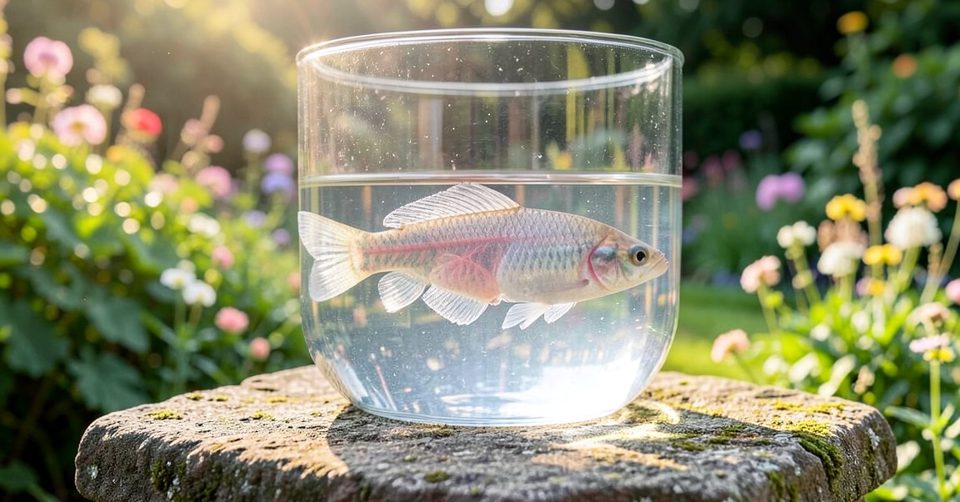
Researchers at Memorial Sloan Kettering Cancer Center identified a long-mysterious enzyme that helps prevent the immune system from damaging healthy tissue. The discovery, made using zebrafish, solves a biological mystery dating back to 1992. The findings could advance research into cancer, inflammatory bowel disease, and asthma.
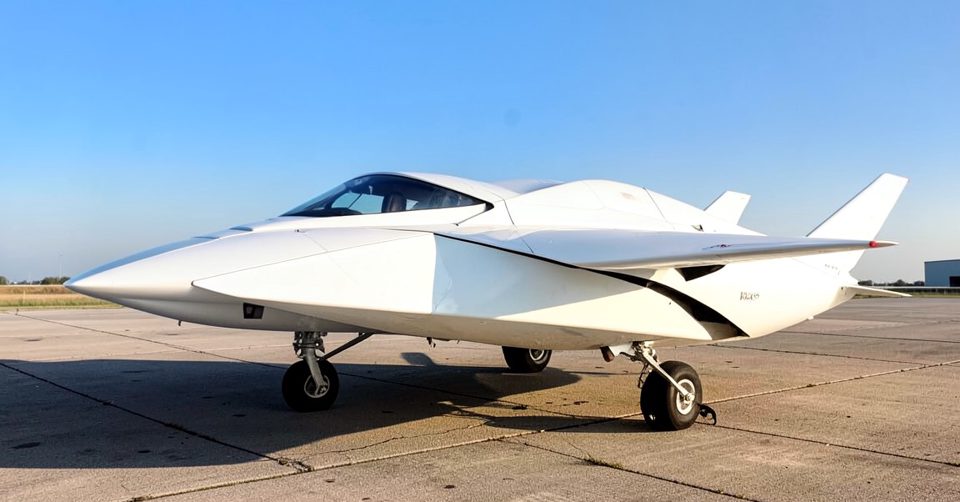
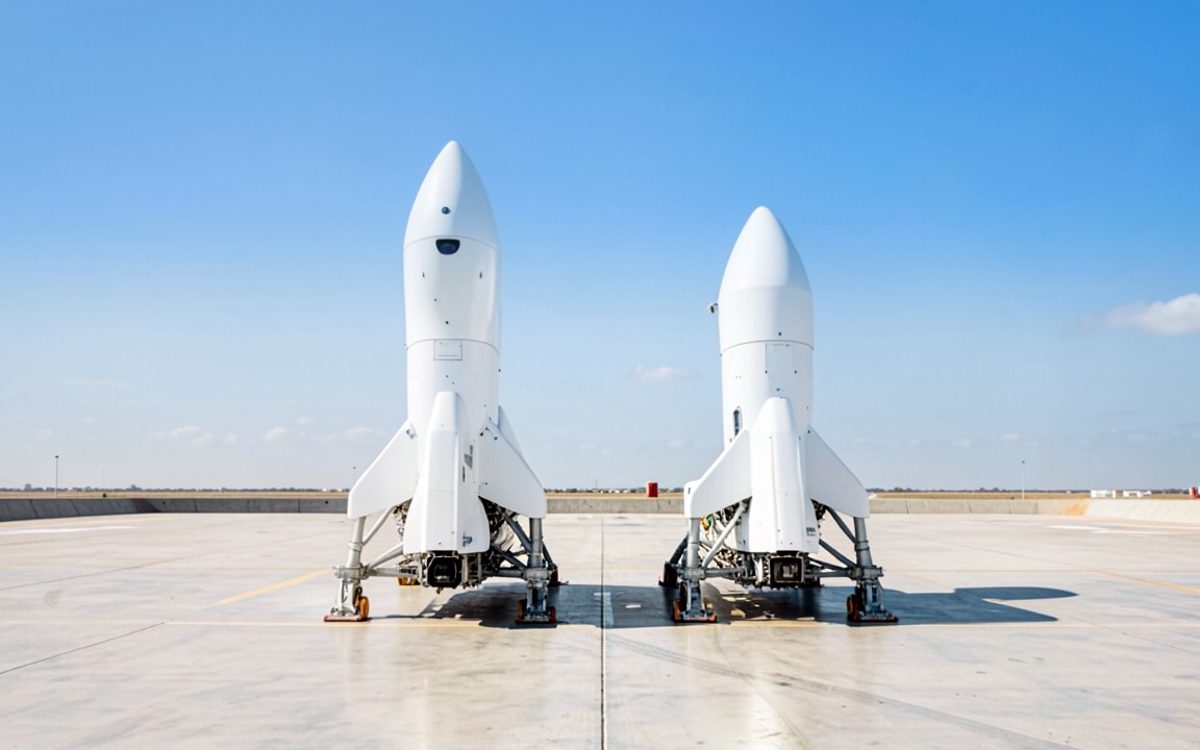
NASA announced the X-70 Fractal, a crewed experimental aircraft with rapidly reconfigurable flight control technology, at Kennedy Space Center. It has a takeoff weight of 10,000 pounds, can cruise at Mach .75, reach 45,000 feet, and carry up to 2,000 pounds of payloads. NASA expects first flight under its banner within two years, expanding tests of advanced aviation technologies.
Hundreds of prehistoric engravings found in Spanish cave
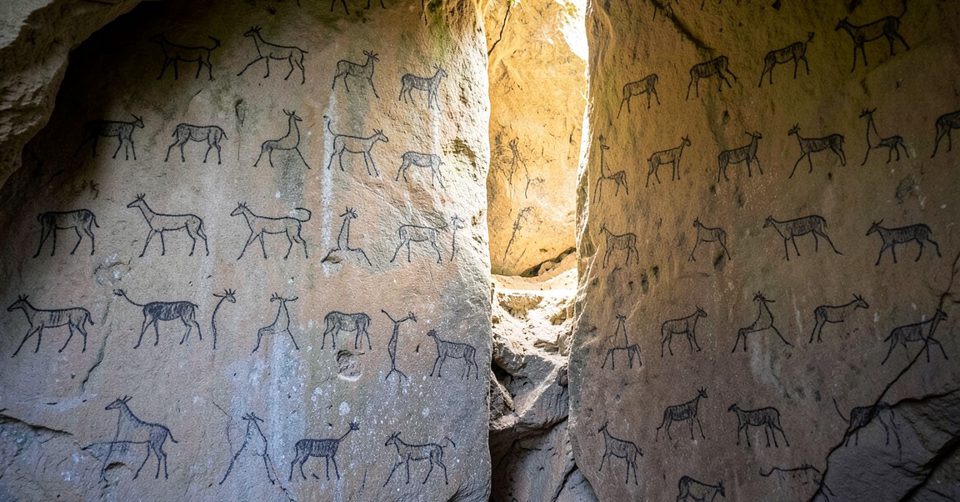
Researchers found hundreds of prehistoric engravings in Cova de la Font Major, a cave west of Barcelona. Josep Maria Vergès of the Catalan Institute of Human Paleoecology noticed them in a side gallery hidden by graffiti. So far, 280 motifs have been recorded, including 55 animal figures, making it one of the richest finds along the Iberian coast. Human occupation dates to 26,000 to 41,000 years ago, and the art is likely over 19,000 years old.
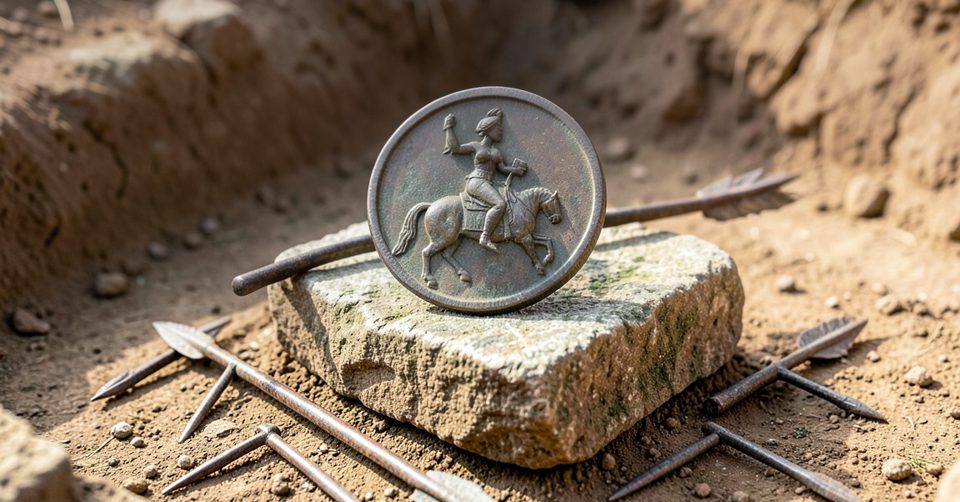
A new analysis by Miles Russell of Bournemouth University argues that Verica, the Iron Age ruler who asked Claudius to invade Britain, was probably a woman. Russell says names ending in a were usually female in Iron Age Britain, and coins bearing Verica's name tend to show female warriors on horseback. The finding matters because Verica's appeal to Rome helped start the successful AD 43 invasion that made much of Britain a Roman province.

 Illustration