Daily Summary of Science & Space · Final editionMonday 16 November 2026 · UTC
Science & Space News: 16 November 2026
Musk says Starship V4 will be 70 meters as Voyager 1 reaches one light day
Musk said SpaceX's next Starship V4 will be about 70 meters long with nine engines, and Voyager 1 will be one light day from Earth on Nov. 18. Researchers at The Jackson Laboratory found that aging-related inflammation in mouse hearts is concentrated around the aortic valves and aortic root.
Musk says next Starship V4 will be 70 meters long with nine engines
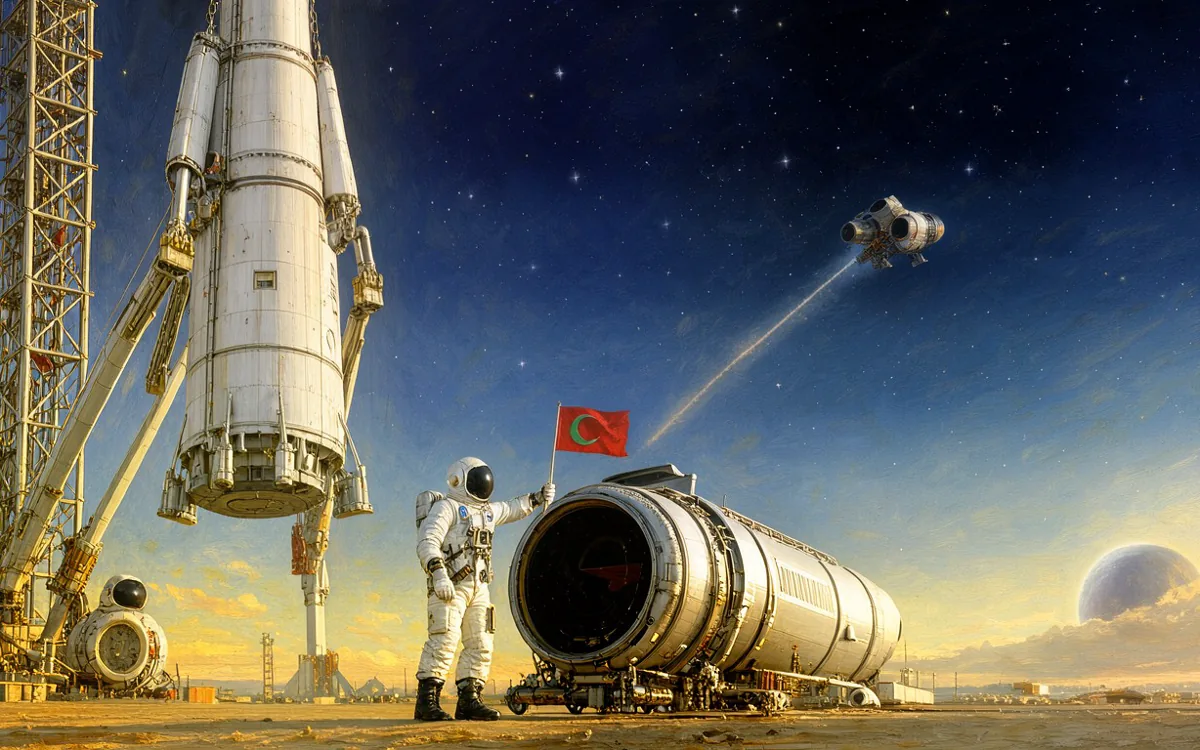
Elon Musk said SpaceX's next-generation Starship V4 will be about 70 meters long, a roughly 40 percent length increase allowing more than 60 percent more propellant. The V4 Ship will have nine engines, adding three higher-thrust Raptor-Vacuum engines to the current V3 Ship's six Raptor V3 engines. Musk spoke after SpaceX recovered the upper stage for the first time on Nov. 14, following the V3 rocket's 15th test flight on Nov. 13.
Euclid, the European Space Agency telescope with NASA contributions, discovered its first comet, C/2026 S1, in images taken between Sept. 16 and 24. The previously undetected object was about 807 million miles away, between the orbits of Jupiter and Saturn, and showed a fuzzy cloud of dust and gas. The finding shows Euclid can detect comets beyond its dark energy and dark matter mission.
Dream Chaser gets FAA landing approval for 2027 debut
Dream Chaser, built by Sierra Space, received FAA approval to land its spring 2027 robotic mission at NASA's Kennedy Space Center or Vandenberg Space Force Base. The environmental assessment found it would not significantly impact the quality of the human environment, with any Vandenberg sonic booms temporary and limited to 1.1 PSF or less. The approval clears a major hurdle for the 30-foot vehicle, in development for more than two decades.
King Charles III's Astra Carta pushes for space sustainability
King Charles III's Astra Carta is a space sustainability roadmap launched on June 28, 2023, to place sustainability at the core of humanity's presence beyond Earth. It is the space sibling of the Terra Carta, a 2021 voluntary framework for safeguarding Earth's natural splendor. It comes as low Earth orbit congestion grows, with over 16,000 satellites and 1.2 million debris pieces raising collision risks.
Alpha-beta decay model may solve decades-old nuclear mystery
Researchers Wenqiang Zhang and Chong Qi proposed a new decay mode in which a nucleus emits an alpha particle and a beta particle in a single quantum transition. Their model, published in Physical Review Letters, could better explain observed emission spectra of several radioactive isotopes. It may resolve a mismatch between predicted and observed alpha spectra that has persisted since the 1970s.
Romania's Thinkers of Cernavodă may be connected to ancient sun worship
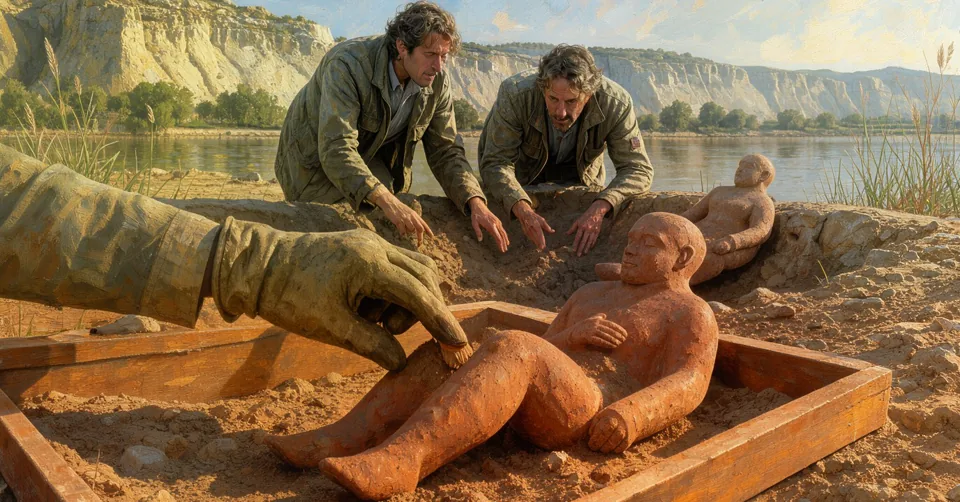
Two unusual seated figurines, known as the Thinkers of Cernavodă, were found in 1956 in a Stone Age grave in southeast Romania. The fired-clay figures, about 7,000 years old and made by the Hamangia culture, are in the National Museum of Romanian History. Their meaning is unclear, but archaeologist Dumitru Berciu suggested they may have served a magical or religious purpose and could be connected to sun worship.
Voyager 1 will reach one light day from Earth on Nov. 18
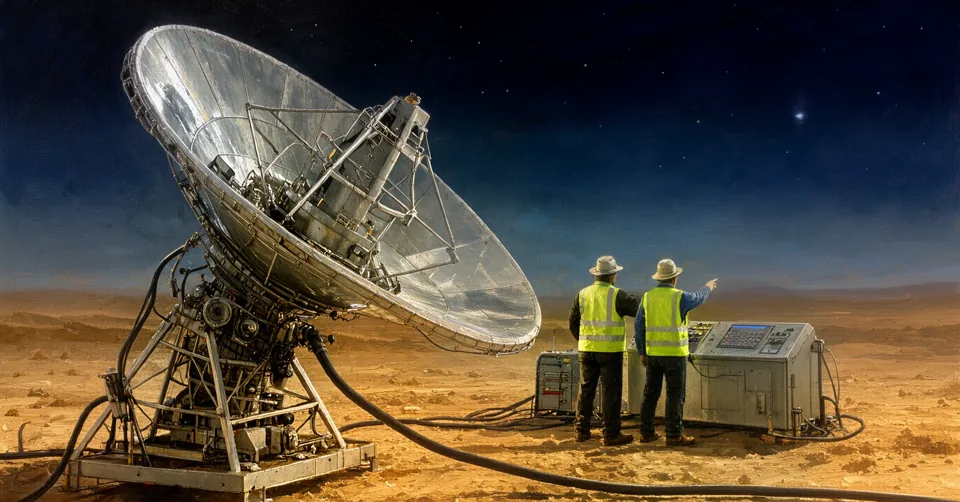
NASA's Voyager 1 will be one light day from Earth on Nov. 18, when it is 49 years, two months and 11 days old. At that distance, a radio wave message takes 24 hours to reach the probe and another day to return, about 16 billion miles away. The farthest spacecraft from Earth will be in contact with the Madrid Deep Space Network station during the crossover.
Simons Observatory fully online for cosmic microwave background studies
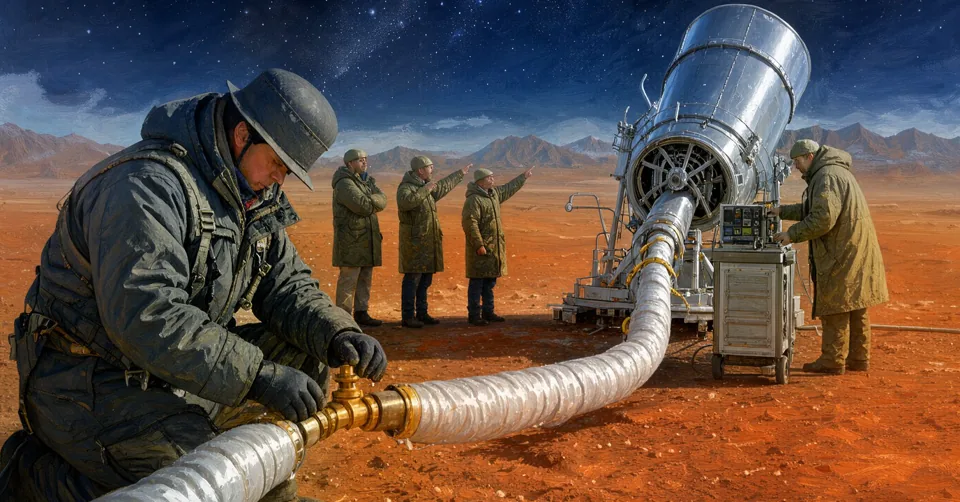
The Simons Observatory in Chile's Atacama Desert is now fully online after two years of calibration, additional telescopes and a new solar array. Stanford's KIPAC and SLAC researchers helped build its 63,000-sensor camera, the largest cryogenic camera for cosmology. Its four telescopes will map the cosmic microwave background and millimeter-wave sky, with early data competitive with the best CMB maps, including ESA's Planck.
Heart aging inflammation concentrates around aortic valves and root
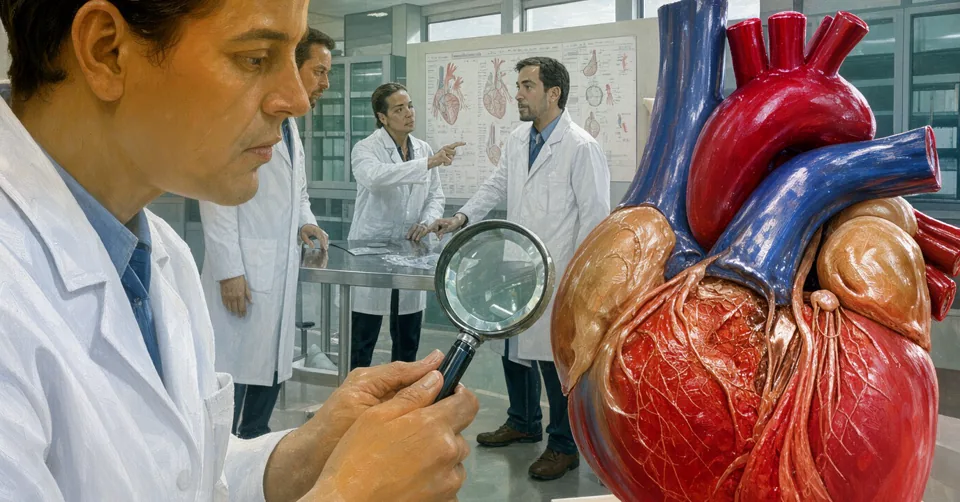
Researchers at The Jackson Laboratory found that aging-related inflammation and scarring in mouse hearts are concentrated around the aortic valves and aortic root. The Aging Cell study says immune and connective tissue cells in those areas change with age and may affect surrounding muscle. The pattern offers a new view of cardiac aging and may guide efforts to understand cardiovascular disease.
NASA launches $1 million Moon Base Challenge for student teams
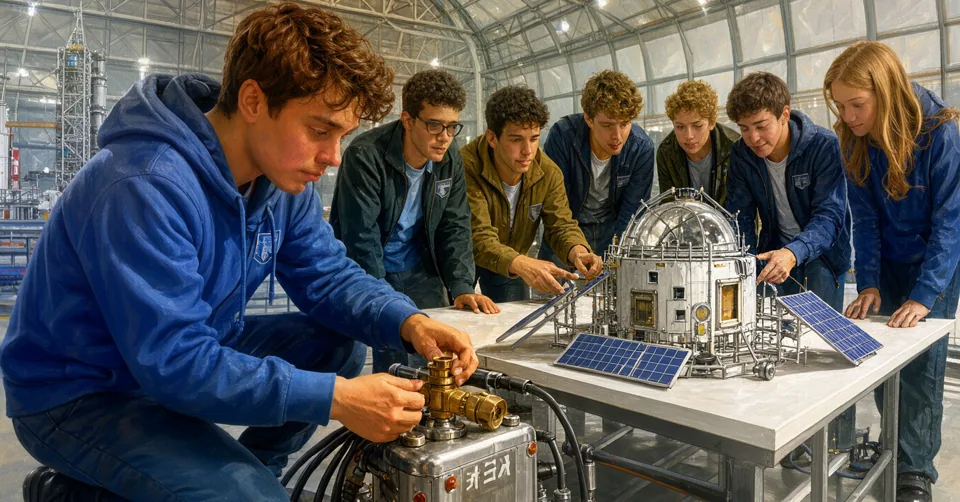
NASA has launched a $1 million Moon Base Challenge inviting high school and college student teams across the United States to propose ideas for a future lunar base. The competition, announced at Kennedy Space Center Visitor Complex, will have teams develop solutions for power, facilities, life support, transportation, communications and astronaut protection. A lasting Moon Base near the lunar South Pole is a step toward future missions to Mars.
Universe could end suddenly if vacuum decay begins
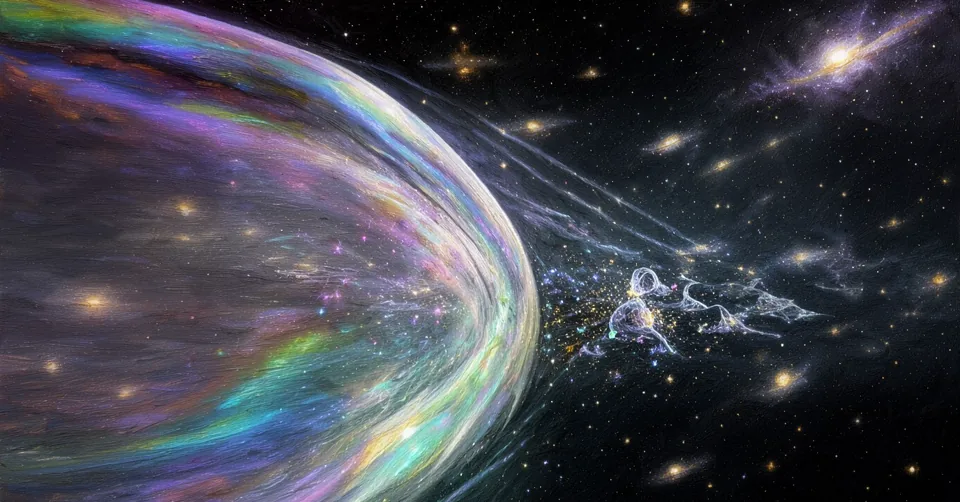
The universe may be in a false vacuum, a local minimum of energy rather than the global minimum. If a lower-energy true vacuum exists, vacuum decay could begin with a bubble and end the cosmos. Quantum fields fill all space, so a vacuum has the minimum possible energy rather than nothing.
Hera image shows new side of Didymos after DART impact
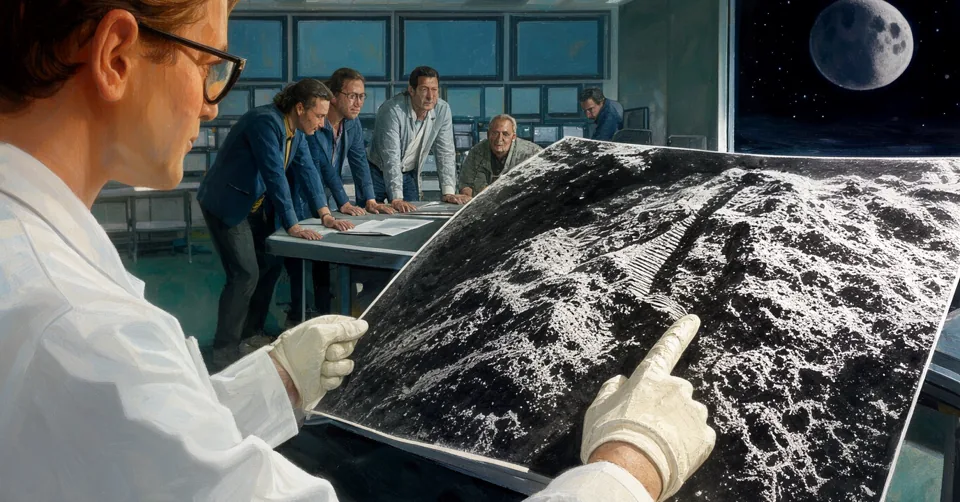
ESA's Hera spacecraft has returned its first close-up image of the Didymos asteroid system, showing the larger Didymos from a side not previously seen in detail. The 60 km black and white view reveals boulders, craters and possible grooves or ridges, while the smaller Dimorphos is mostly in shadow. Scientists will study whether debris from NASA's 2022 DART impact on Dimorphos left traces on Didymos.
Logical qubit state teleported in 125-qubit superconducting processor
Researchers at Zhejiang University and the Hong Kong University of Science and Technology (Guangzhou) teleported the state of a logical qubit between two groups of qubits in the same 125-qubit superconducting processor. Their Nature Physics paper reports the method worked even when the entangling operations were weakened, addressing a challenge for quantum computers that encode logical qubits across groups of physical qubits.
Scientists find 245 tiny animals inside a single deep-sea rock
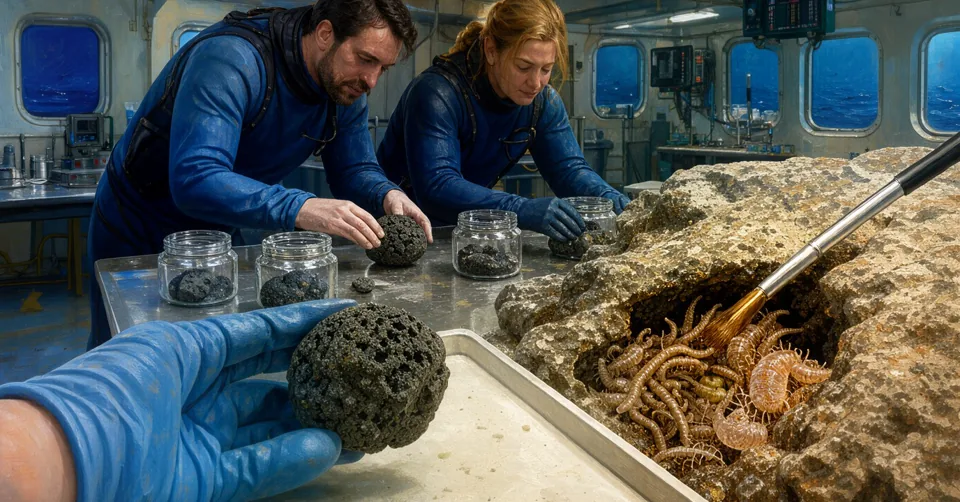
Scientists studying polymetallic nodules in the Clarion-Clipperton Zone found 4,139 tiny animals in 244 rocks, with one nodule sheltering 245 individuals. The metal-rich nodules, found at 4,000 to 6,000 meters, contain cracks and cavities that house animals smaller than a millimeter. The finding shows the rocks provide three-dimensional habitats, not just hard surfaces, and may be important to deep-sea biodiversity.
Leonids peak on 17-18 November as fast meteors radiate from Leo
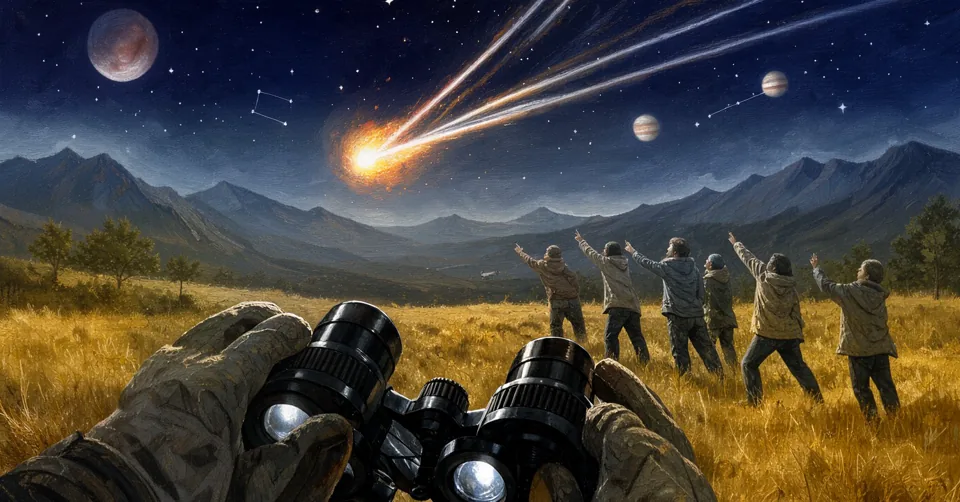
The annual Leonid meteor shower is expected to be most active on the night of 17-18 November, when Earth passes through debris from comet 55P/Tempel-Tuttle. Under ideal conditions, observers may see 10-15 meteors an hour, with particles striking the atmosphere at about 71 km/s and appearing to radiate from Leo. Conditions improve towards dawn as Leo climbs higher, and Mars and Jupiter will form a pair in front of Leo's chest.
Webb image of NGC 7129 shows star formation with jets
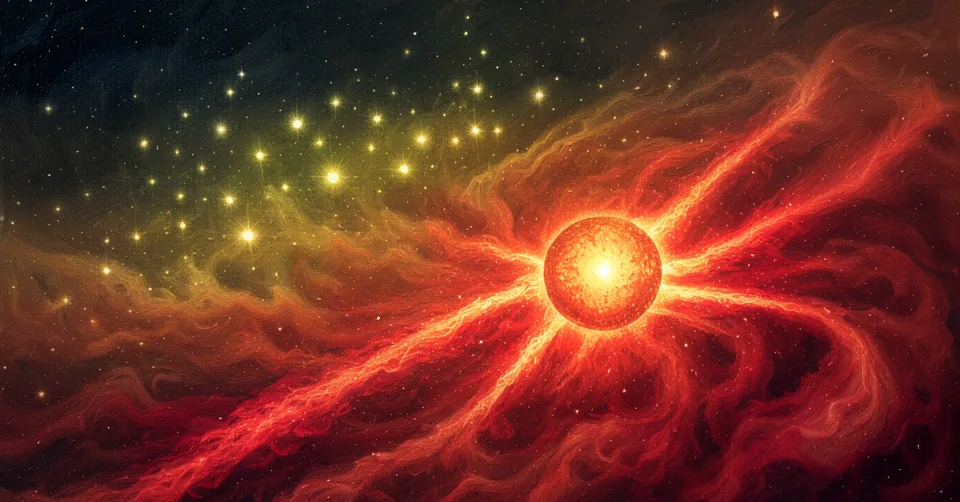
NASA's James Webb Space Telescope has produced a detailed infrared image of the star formation region NGC 7129. The image helps show how stars form, with many stars at different stages. Young stars in gold colored gas on the left are typically more mature than those in red gas on the right. Jets and winds from previously formed stars are likely shaping the red gas, while dust from cool stellar atmospheres can obscure visible light views.
Salk scientists introduce Superb-seq to track CRISPR edits in single cells
Salk scientists have designed Superb-seq, a method that reads CRISPR on- and off-target edits and changes to gene activity at single-cell resolution. The tool can identify unwanted edits and how they alter a cell's molecular landscape. It is intended to help researchers study gene regulation and evaluate the safety of gene-editing therapies.
Tropical ice on Puncak Jaya has shrunk to scattered patches too small to flow like glaciers. Satellite data show the glaciers covered about 4.31 square kilometers in 1988, but only about 0.09 square kilometers remained by September 2025, roughly 2 percent of the 1988 extent. Measurements at one site show the ice thinned from 32 meters in 2010 to 4 meters in 2023 and was gone by November 2024. Scientists call such ice a canary in the coal mine.
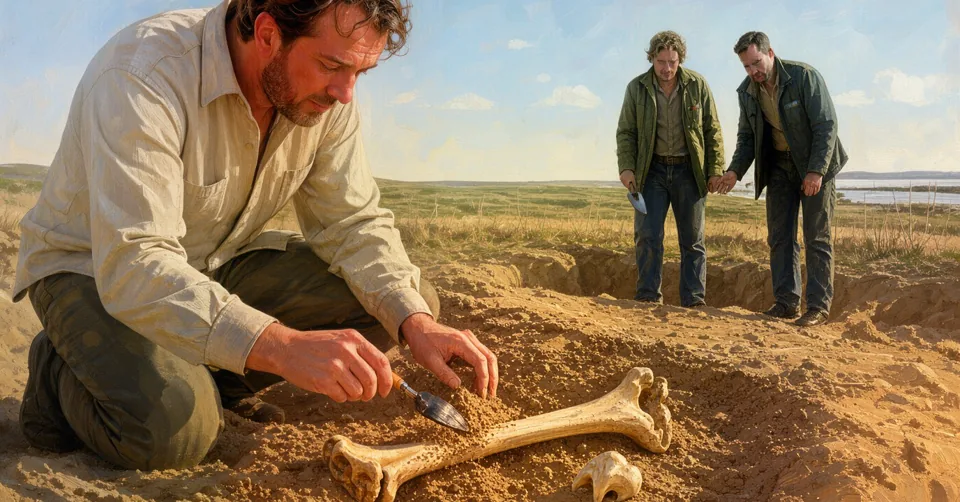
Danish skeleton suggests man lived through shift to farming
Analysis of bones and a tooth from Rødhals Man, a skeleton found on Denmark's Sejerø island in the 1950s, suggests he lived about 6000 years ago near the start of farming. His genetic ancestry was typical of the Mesolithic Ertebølle hunter gatherers, and earlier work indicated he ate mainly seafood.
Isotope data show his diet shifted from marine foods in the eelgrass biotype to increasing terrestrial, probably farmed, protein from about age 11.

 Illustration