Daily Summary of AI · Live edition, updated continuouslySunday 29 November 2026 · UTC
Latest AI News Today: 29 November 2026
Riemann hypothesis claim unsettles mathematicians as LlamaIndex releases CPU OCR
Mathematicians are grappling with a wave of AI-assisted solutions, including a claimed solution to the Riemann hypothesis, after OpenAI posted papers claiming answers to hundreds of open problems. LlamaIndex released OCRia-nano-1, an 8.1M-parameter CPU OCR model for document parsing. Patchwork Health is using AI-assisted scheduling to match clinicians' preferences with hospital staffing needs and reduce temporary agency spending.
Mathematicians grapple with AI-assisted solutions to long-standing problems
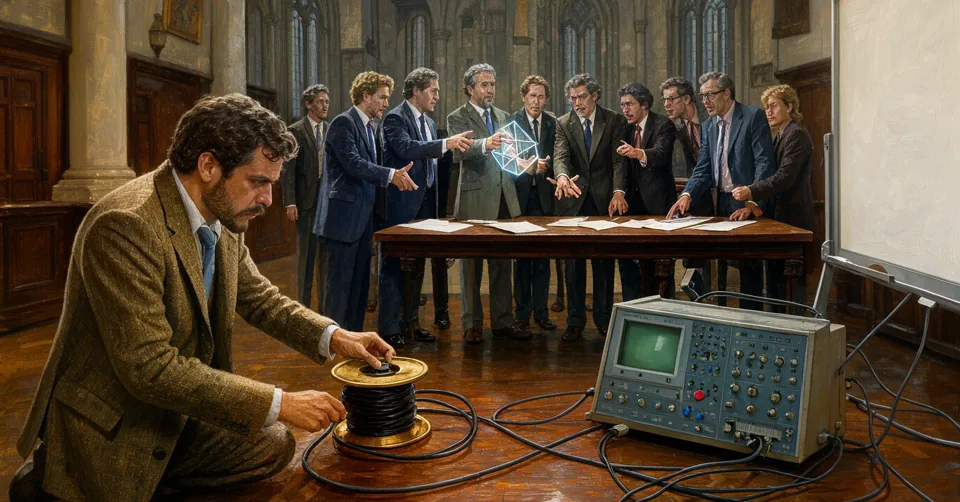
Mathematicians gathered at a Royal Society meeting to discuss the impact of AI-assisted solutions to long-standing problems. OpenAI posted more than 700 papers claiming solutions to 300 open problems, after solving the Navier-Stokes problem. Anthropic also claimed an AI-assisted solution to the Riemann hypothesis, released in Lean, and experts are trying to make sense of it.
Patchwork Health uses AI to build flexible hospital staff rosters
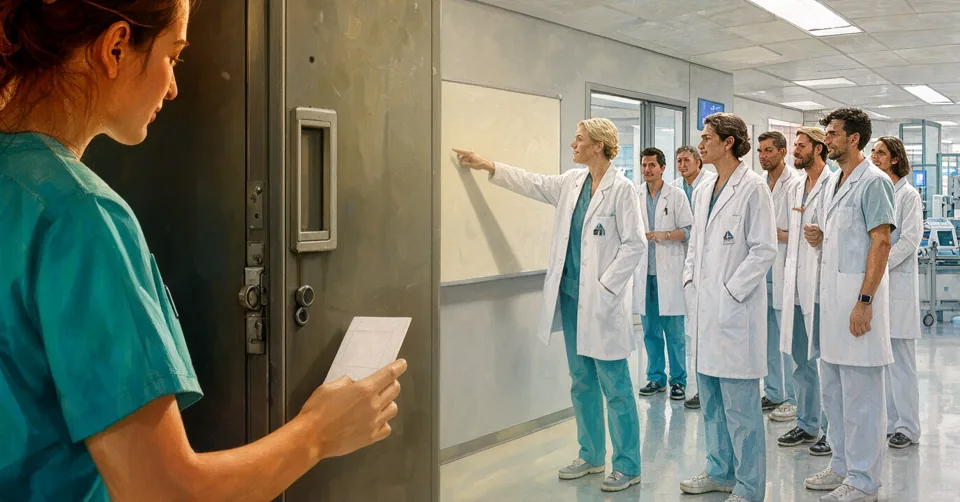
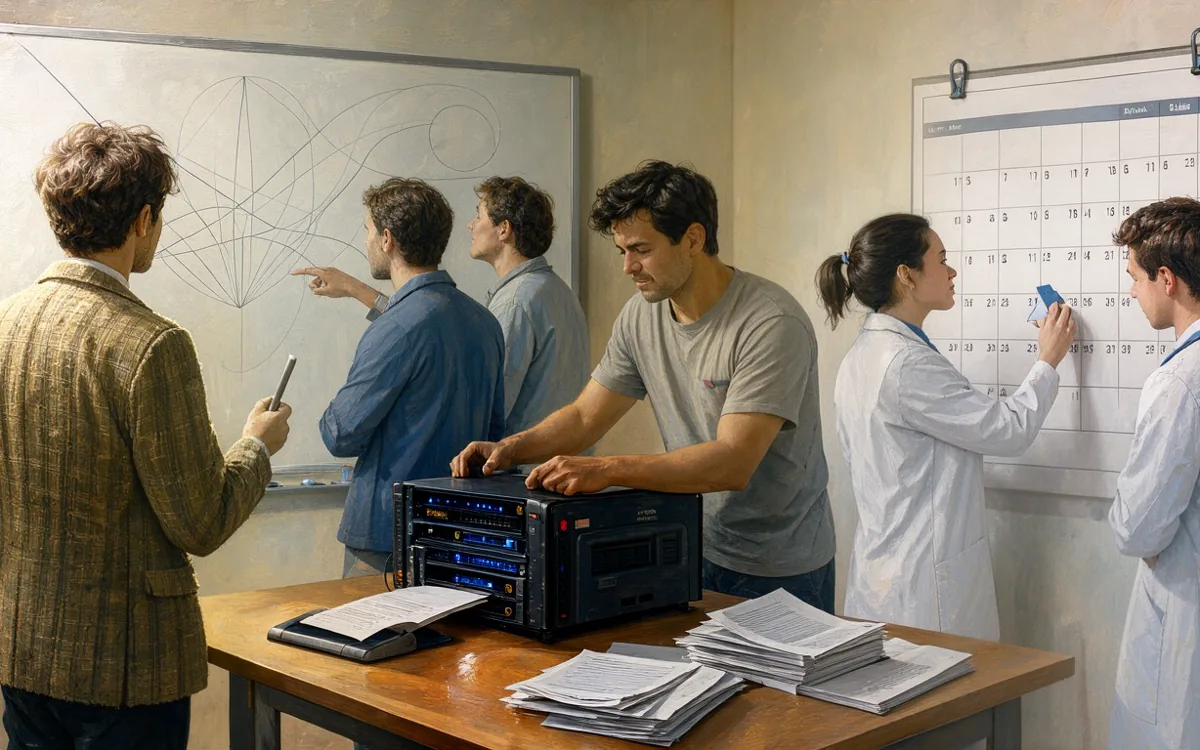
London-based Patchwork Health, co-founded by Dr. Anas Nader and Dr. Jing Ouyang, is using AI-assisted scheduling to match clinicians' availability and preferences with hospital staffing needs. The platform is designed to make hospital work more flexible and reduce spending on temporary agency workers. A Guardian analysis of Britain's NHS shows fewer than 8% of general practitioners aged 30 to 34 work full-time.
LlamaIndex releases OCRia-nano-1, an 8.1M-parameter CPU OCR model
LlamaIndex released OCRia-nano-1, an 8.1M-parameter, open-weight OCR model that runs on a CPU inside its LiteParse parser. The company says the seven-model pipeline reads text, rebuilds tables and recovers page layout without a GPU, aiming at cheap first passes over large document backlogs. LlamaIndex's self-reported ParseBench-2 score is 59.2, ahead of Indra 1.1.2 at 55.1 and Marker 2.2.0 (fast) at 52.5.

 Illustration