Daily Summary of Science & Space · Final editionWednesday 28 October 2026 · UTC
Science & Space News: 28 October 2026
Vulcan sets return to flight, ISS solar upgrade nears end, Rubin finds dwarf planet candidate
United Launch Alliance said its Vulcan rocket will fly again on 13 November with 40 Amazon Leo satellites, ending a nine-month grounding caused by solid rocket booster nozzle failures. NASA is two spacewalks from finishing a solar array upgrade on the International Space Station that began in 2021, and astronomers using the Vera C. Rubin Observatory have reported a bright dwarf planet candidate beyond Pluto.
NASA sets 2031 launch for UVEX ultraviolet sky survey telescope
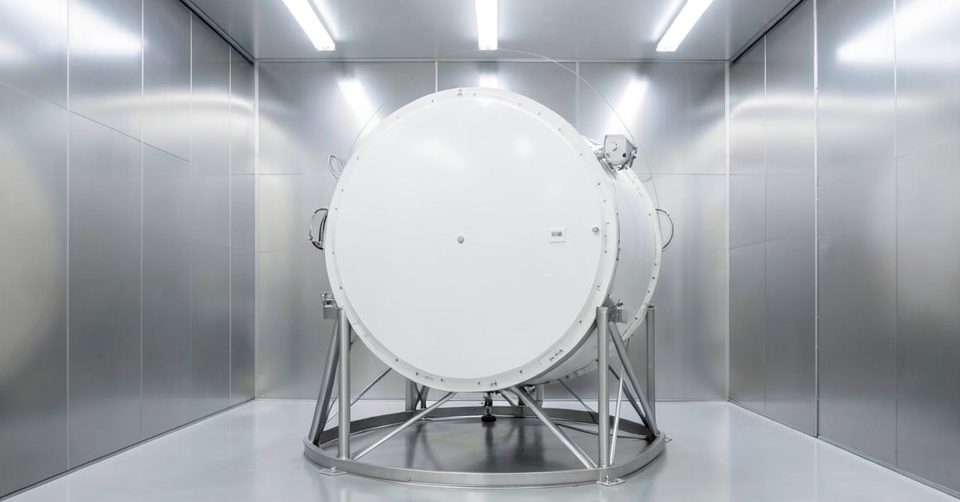
NASA has announced that the UltraViolet EXplorer (UVEX), a space telescope led by Caltech, will launch in 2031. The mission will survey the whole sky in near and far ultraviolet light, where events such as stellar flares and exploding stars show up most fully. Its survey is meant to complement those of NASA's Nancy Grace Roman Space Telescope, the Vera C. Rubin Observatory and ESA's Euclid.
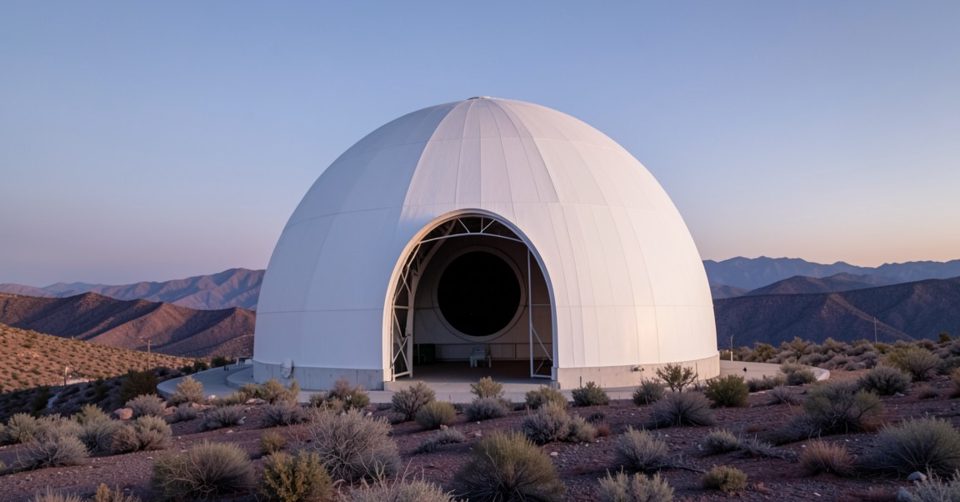
Harvard and Smithsonian astrophysicists have identified a likely dwarf planet in the Kuiper Belt beyond Neptune, provisionally named 2026 ED138, using images taken by the Vera C. Rubin Observatory between March and July 2026. The object is estimated to be between 600 and 1,500 kilometres across and ranks among the seven largest known objects in the outer solar system. It had gone unnoticed because it sits against the bright Milky Way.
The find was announced on Tuesday at the American Astronomical Society's Division for Planetary Sciences meeting in Spokane, Washington, and was widely reported on Wednesday.
ULA sets 13 November return to flight for Vulcan after booster nozzle failures
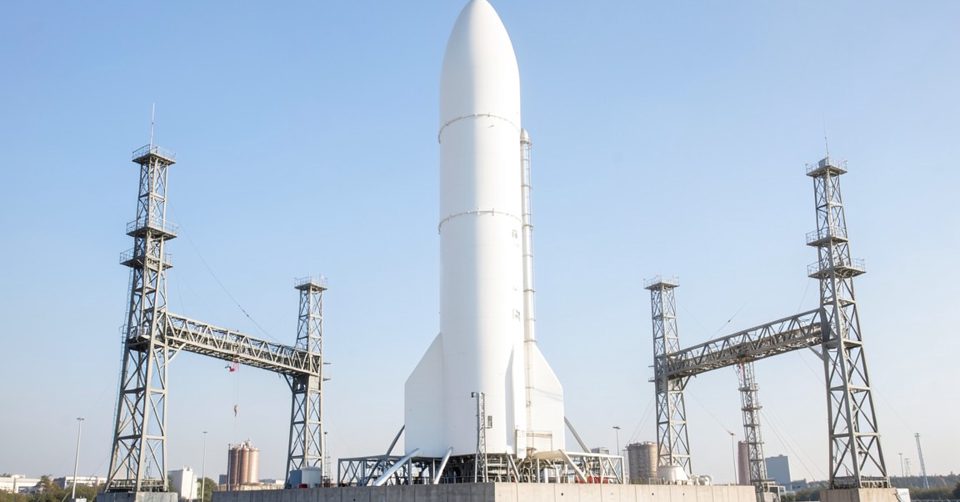
United Launch Alliance said Vulcan will return to flight on Friday 13 November, after a nine-month grounding caused by nozzle failures on its Northrop Grumman-built solid rocket boosters, most recently on the USSF-87 mission in February 2026. The Vulcan Leo 1 mission will carry 40 Amazon Leo satellites and will be the rocket's fifth flight and its first with six strap-on boosters.
ULA said it will fly an improved nozzle design, with more testing and analysis continuing alongside the mission. Amazon has booked 38 Vulcan launches for its constellation, which has nearly 400 satellites in orbit.
NASA plans 29 October and 5 November spacewalks to finish ISS solar array upgrade
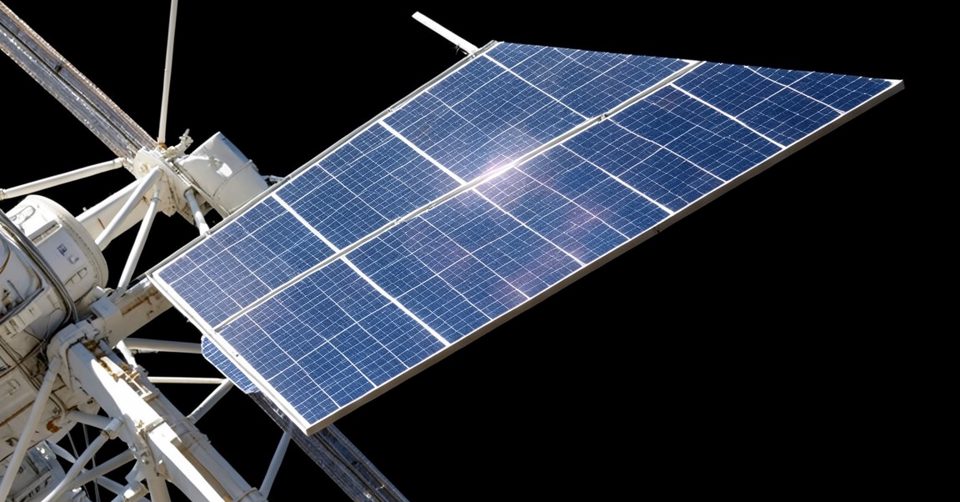
NASA astronaut Anil Menon and Canadian Space Agency astronaut Joshua Kutryk are scheduled to leave the station's Quest airlock at 1200 UTC on 29 October to install the seventh of eight Roll-Out Solar Arrays. A second spacewalk on 5 November would install the last array, completing an upgrade campaign that began in 2021.
NASA says the arrays will raise the station's available power from 160 kilowatts to about 215 kilowatts through its planned retirement and deorbit in 2030. Kutryk will be the fifth Canadian to walk in space and the first since 2019.

 Illustration