Daily Summary of Health · Live edition, updated continuouslySunday 22 November 2026 · UTC
Latest Health News Today: 22 November 2026
New imaging maps immune cells as knee trial finds core exercise benefit
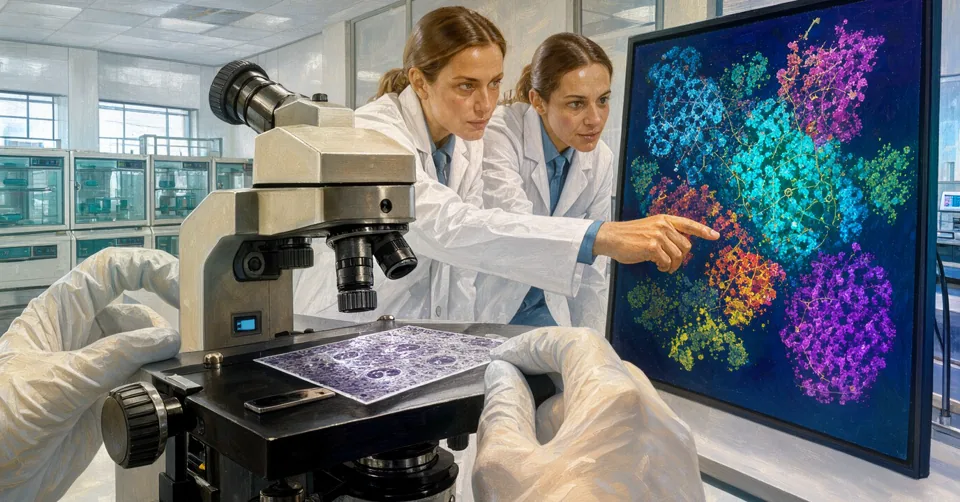
Researchers at Boston Children's Hospital developed BCR-MERFISH, an imaging method that maps antibody-producing cells in tissue and may help study inflammatory bowel disease, autoimmune disorders, infections and cancer. A trial in India found that adding core exercises to conventional knee rehabilitation improved physical function and reduced pain when moving in adults with mild to moderate knee osteoarthritis.
An investigation found that a man with paranoid schizophrenia was released twice before killing three men in Exeter, pointing to failures by police and medical professionals.
Man who killed three in psychotic episode had been released twice
An investigation found that Alexander Lewis-Ranwell, who had paranoid schizophrenia, was released twice before killing three men in Exeter in 2019. Officers ignored warnings from a national database and a mental health assessor, while a medical professional without mental health expertise dismissed his behaviour. The families have asked the watchdog to investigate Devon and Cornwall police, but it has said the force should investigate itself.
Core exercises may improve knee osteoarthritis outcomes
A randomized controlled trial in India found that adding core exercises to conventional knee rehabilitation improved physical function and reduced pain when moving in adults with mild to moderate knee osteoarthritis. The 12-week study involved 100 participants aged 40 to 80. Both groups had reduced resting pain, but the core group reported greater improvements in physical function tests and quality of life.
New imaging tool maps antibody-producing cells in tissue
Researchers at Boston Children's Hospital developed BCR-MERFISH, an imaging method that maps where antibody-producing plasma cells are located in tissue. In mouse small intestine sections, the team imaged more than 300,000 cells and identified 434 distinct plasma-cell groups, including unexpected clusters. The technology, published in Nature Methods, may help study inflammatory bowel disease, autoimmune disorders, infections and cancer.
Western diet may make Salmonella worse in mice, study finds
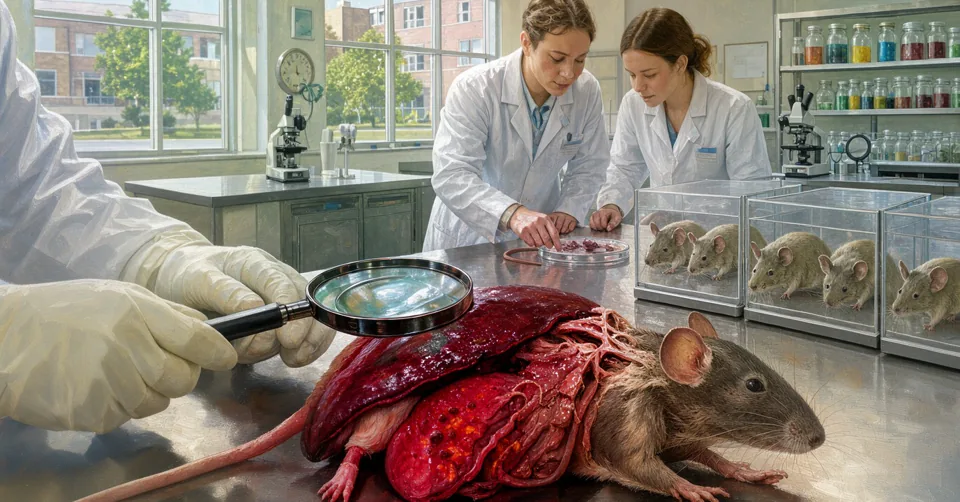
A mouse study by researchers at Fudan University and Georgia State University found that a high-fat, low-fiber diet for three weeks made Salmonella infection more severe, with mice dying sooner and more bacteria reaching their livers and spleens. The study suggests diet can change gut microbes and affect how the gut withstands infection. Mice on the Western diet also showed more severe tissue damage in their colons, livers and spleens.
Wales midwifery graduates face fewer jobs as recruitment drive is paused
Midwives graduating in Wales next year have been told there are fewer jobs than expected, in addition to 66 newly qualified midwives who did not find work after graduating last year. The Royal College of Midwives said students face a deepening crisis while maternity services are under pressure, and the Welsh government said it is working with NHS Wales to understand workforce requirements.
Cockroaches found pollinating an Amazon shrub after dark
Researchers studying a Brazilian Amazon shrub found that cockroaches appeared to be among its most important pollinators after dark, even though bats are among the main pollinators of related species. The study, published in the Brazilian Journal of Botany, recorded no bat visits to the flowers of Mabea uleana, which open around dusk and produce nectar. Cockroaches drinking nectar touch female flowers and carry sticky spurge-family pollen.

 Illustration