Daily Summary of Health · Final editionSunday 15 November 2026 · UTC
Health News: 15 November 2026
Abortion pardons set to take effect as tirzepatide cuts teen obesity
Women in England and Wales are to be pardoned for abortion investigations under a law taking effect Monday. A phase III trial found weekly tirzepatide cut mean BMI by 18.5 percent in adolescents with obesity or related complications at 72 weeks. A high dose flu vaccine was also linked to up to 22 percent lower Alzheimer's risk in older adults.
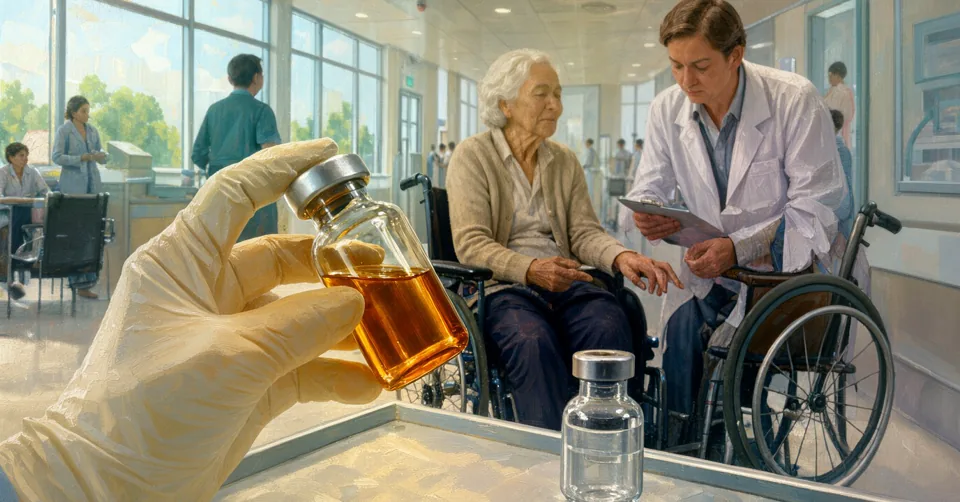
Tirzepatide cuts adolescent BMI by 18.5% in phase III trial
In a phase III trial, weekly tirzepatide with lifestyle changes cut mean BMI by 18.5 percent at week 72 in adolescents with obesity or overweight with complications from obesity, while placebo rose 0.5 percent. About 53.5 percent of treated participants no longer met the obesity threshold, compared with 7.1 percent on placebo. The result, published in JAMA, adds to treatment options for teens.
Women prosecuted for abortions hail historic day after receiving pardon
Women who faced criminal investigation for ending pregnancies in England and Wales are to be pardoned under section 242 of the Crime and Policing Act 2026, which takes effect Monday. The measure applies to about 150 women identified from police records and removes convictions, cautions, arrests and investigations from their records. Campaigners called the day historic but said a formal government apology is still needed.
High dose flu vaccine linked to up to 22% lower Alzheimer's risk than a standard shot
Researchers at UTHealth Houston analyzed data from nearly 165,000 adults aged 65 and older and found a high dose flu vaccine was associated with up to a 22 percent lower risk of Alzheimer's disease over two years than a standard dose shot. Combined with earlier findings for people who did not get a flu vaccine, the risk was nearly 55 percent lower. The Neurology study cannot prove cause and effect, but it suggests a link with brain health.
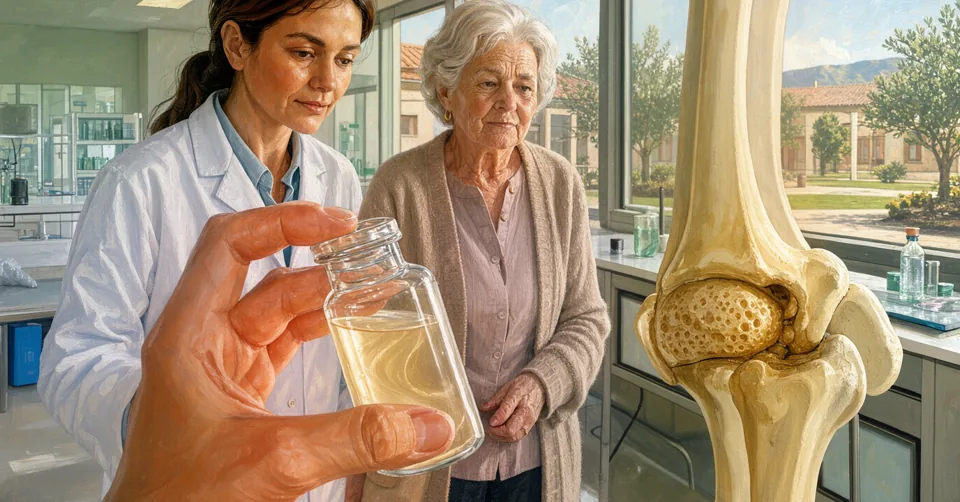
Engineered stem cells cut fractures in osteoporosis trial
A first in human trial in Spain reported that engineered mesenchymal stem cells given to 10 women over 50 with advanced osteoporosis cut fragility fractures by 94 percent over two years. Fractures fell from an average of eight per year to 0.5, and bone tissue area rose about 70 percent at four months. The Cell study suggests the treatment may reverse some bone loss, though the cells were not tracked after infusion.
FDA rejects Summit and Akeso lung cancer drug ivonescimab
The Food and Drug Administration rejected ivonescimab, a lung cancer treatment developed by Summit Therapeutics and Akeso, saying it did not help patients live longer. Regulators found the drug slowed cancer worsening but that the lack of survival benefit did not support a positive benefit-risk profile. The rejection is a regulatory setback for Summit, which oversees development outside China.
Cold and health alerts issued for Scotland and northern England
The Met Office issued yellow ice warnings for central and eastern Scotland from Sunday evening to Monday morning, and UKHSA issued yellow cold health alerts for north-west and north-east England and Yorkshire and the Humber from Sunday evening until Thursday morning. UKHSA said the cold snap is likely to have minor impacts on health and social care services and a greater risk to life for vulnerable people.
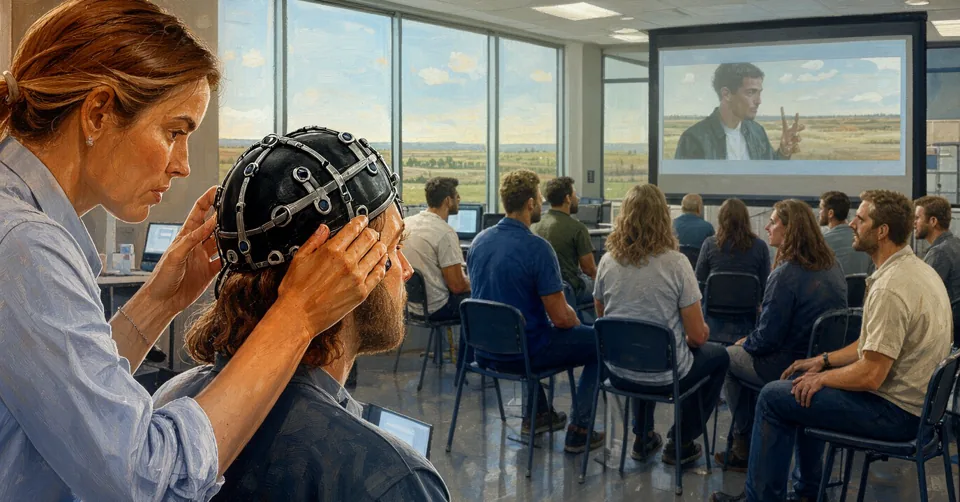
Autism study finds greater individual brain variability
University of Iowa researchers found adults with autism spectrum disorder showed greater individual variability in brain activity while watching movies. A computational model predicted group averages similarly for adults with and without autism, but people with ASD strayed more from their group average in nearly all brain systems, especially the social brain system. The study suggests group average comparisons may miss individual differences.
US plans to reimburse doctors treating vaccine side effects
The Trump administration is finalizing a rule to reimburse doctors who diagnose, treat and counsel patients with vaccine side effects. Health secretary Robert F Kennedy Jr also announced a vaccine injury research center at the National Institutes of Health and sought to reshape the Vaccine Injury Compensation Program. Experts say the moves could weaken vaccine trust and feed Kennedy's anti-vaccine agenda.
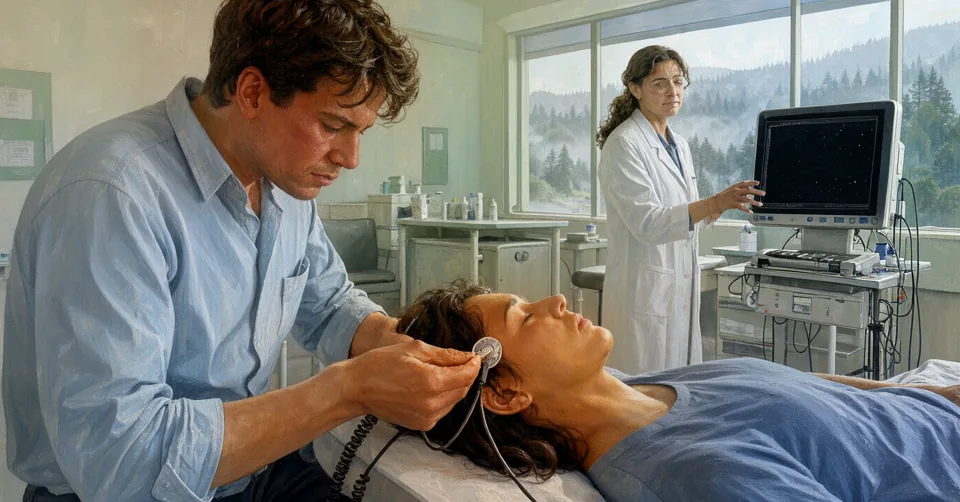
Brain energy bottleneck may explain schizophrenia experiences
A new model proposes that reduced energy reserves in brain cells may disrupt synchronized rhythms and contribute to fragmented experiences of time, space and self in schizophrenia spectrum conditions. The study, published in Neuroscience and Biobehavioral Reviews, draws on cell, metabolic and imaging evidence, including slower ATP transfer in stem cell models. It proposes EEG and metabolic imaging tests using a 40 Hz sound.
Brazil has recorded its first mpox death of 2026, in Rio de Janeiro, where cases from September to November doubled compared with the rest of the year. The Fiocruz Institute reported 1,009 confirmed infections this year. Officials say the rise is not an outbreak because it remains significantly lower than the 2022 peak, but surveillance has been stepped up and 25,000 vaccine doses were purchased.
Inspire workshops turn mental health experiences into comedy
The charity Inspire is running Finding Our Funny workshops in which people who have struggled with mental ill health turn their experiences into comedy material. Participants, including Michael Hart and Carla Sloan, will perform three gigs across Northern Ireland this month. Veteran comedian Tim McGarry, known for Give My Head Peace, is mentoring them to build confidence and shape their routines.
Brain and heart signals may predict survival after oxygen loss
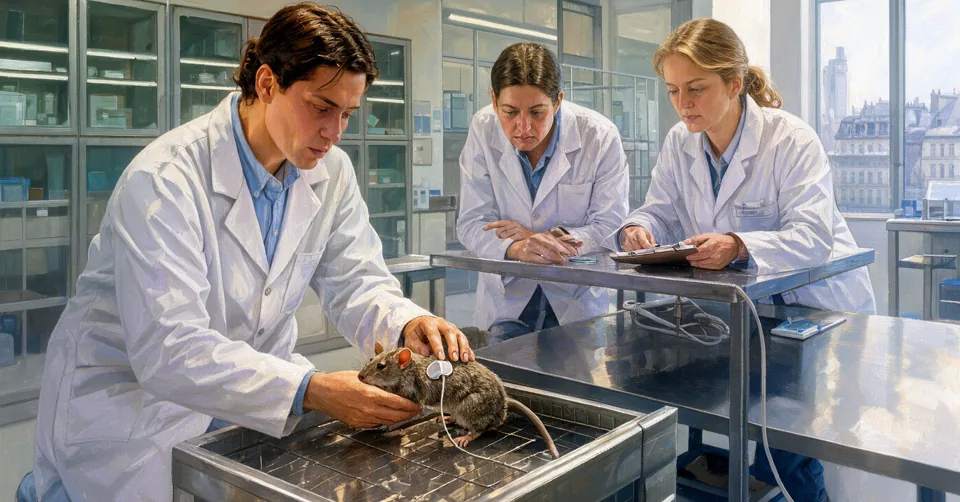
Researchers at the Paris Brain Institute found that heart activity coupled with brain activity in the somatosensory cortex and hippocampus predicted survival in rats after severe oxygen loss. The study, published in eNeuro, suggests brain and heart interactions could help identify recovery outcomes after near death episodes. The team hopes the findings will guide future work in human patients.
Ancient underwater canyons helped preserve early animal fossils
A new study suggests ancient underwater canyons and other features of Ediacaran landscapes, coasts and climates helped preserve fossils of soft-bodied animals in South Australia's Flinders Ranges. The creatures, which appeared about 600 million years ago, vanished in a mass extinction about 550 million years ago. The work adds to debate over why these early animals evolved, died out and were preserved.


 Illustration