Daily Summary of Climate & Energy · Final editionSunday 1 November 2026 · UTC
Climate & Energy News: 1 November 2026
US wind farm powers over 1 million homes as tax rules aid electric fleets
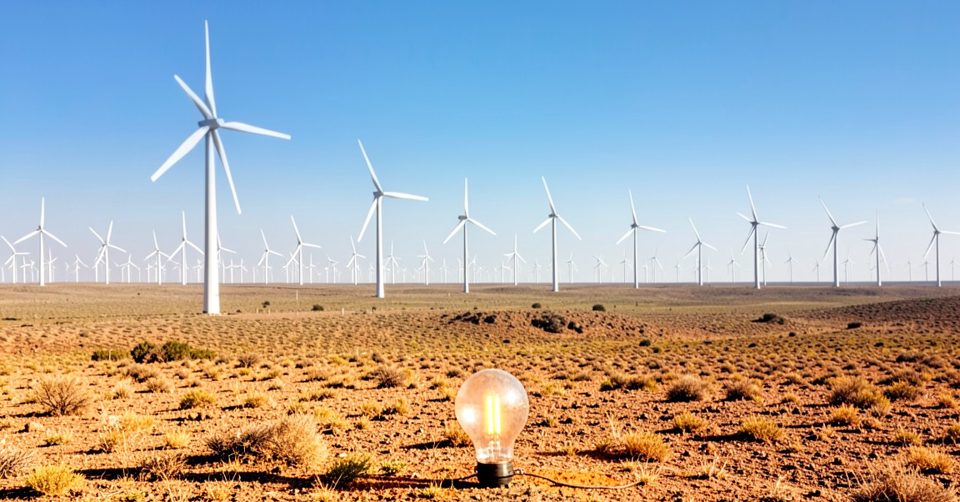
The SunZia Wind and Transmission project in New Mexico is powering more than 1 million homes, becoming the largest wind farm in the US as electricity demand is projected to rise by 25 percent by the end of this decade. New IRS guidance may let electric commercial vehicles use Section 179 expensing and 100% bonus depreciation, potentially accelerating fleet electrification.
In Ecuador, Kichwa leaders are sharing their oil company resistance experience with Brazilian Indigenous chiefs facing Petrobras exploration.
Section 179 and bonus depreciation could speed electric fleet adoption
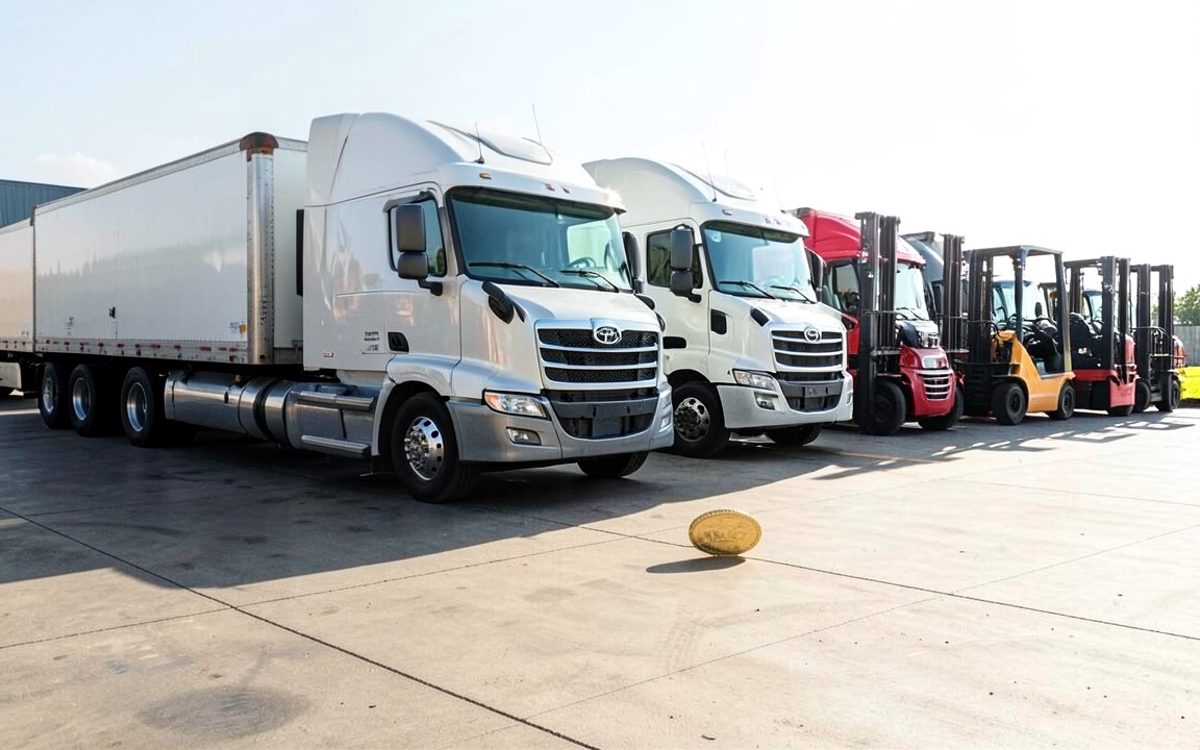
The IRS does not separate electric and diesel commercial trucks for Section 179 depreciation, so electric Semi trucks, garbage trucks, reefer trailers and some forklifts may use the same rules. Notice 2026-11 restores 100% bonus depreciation for qualifying property acquired after January 19, 2025, so eligible businesses may combine it with Section 179 expensing when ordering qualifying fleet equipment.
SunZia wind farm becomes largest on continent and powers over 1 million homes
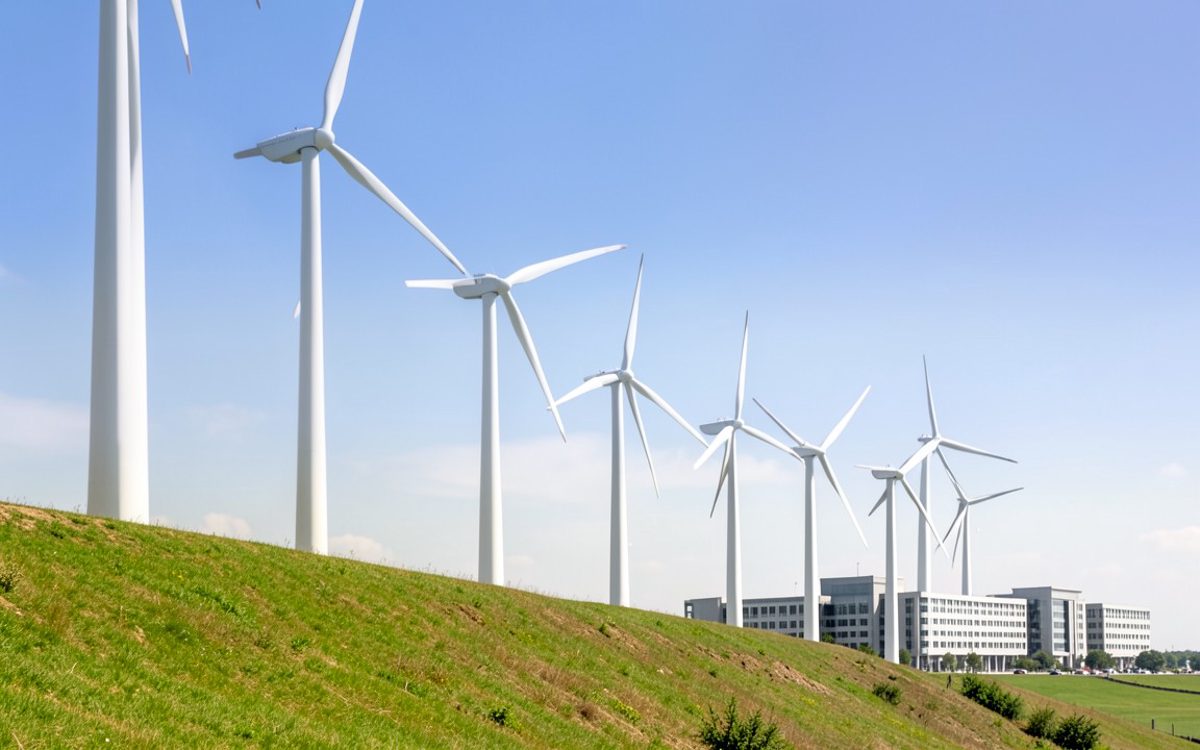
The SunZia Wind and Transmission project in New Mexico began operating this spring with more than 900 turbines and a 550-mile transmission line. It is described as the largest wind farm on the continent and now powers over 1 million homes, including in California. Pattern Energy says it will have prevented about 9 million metric tons of carbon dioxide by next summer.
Kichwa leaders share oil resistance experience with Brazilian chiefs
Brazilian Indigenous leaders from the Galibi Marworno and Karipuna peoples traveled to Ecuador to seek advice from the Kichwa people of Sarayaku, who forced an oil company out in the early 2000s and helped pioneer the rights of nature movement. The Brazilian chiefs face offshore oil exploration by state-owned Petrobras near their coastal territories, part of Amazon oil and gas concessions covering about 31 million hectares of Indigenous lands.
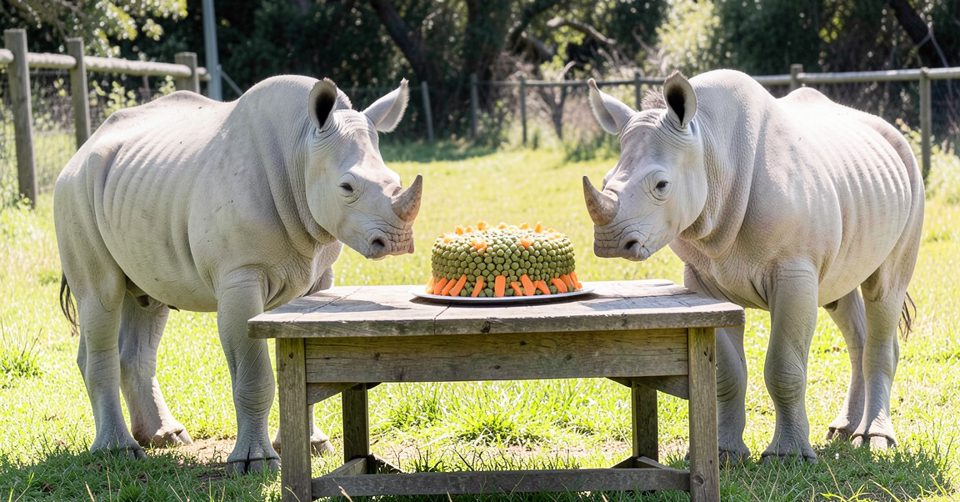
Rhino siblings mark first birthday at Cotswold Wildlife Park
White rhino calves Markus and Mo celebrated their first birthday at Cotswold Wildlife Park with cakes made of pellets, carrots and salad leaves. The siblings, born last year, weighed about 70kg at birth and now weigh about 500kg each. Their arrival took the park's rhino population to nine, the most in its 56-year history. The park says conservation remains vital, although white rhinos are now the most numerous of the five rhino species.
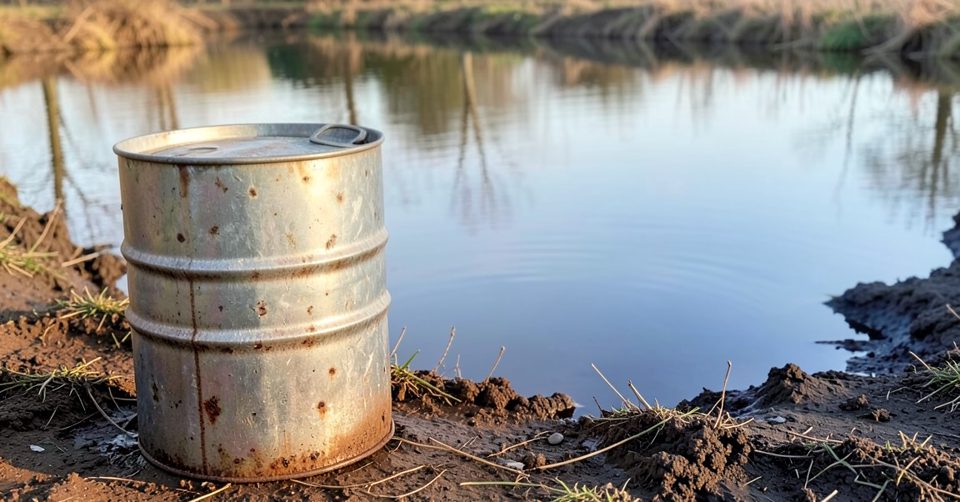
Vandalised heating oil tank kills 13 birds at Broughshane Waterfowl Park
A recovery effort is continuing at Broughshane Waterfowl Park after vandalism of a nearby home heating oil tank spilled kerosene into a pond, killing 13 birds. More than 20 birds were sent for specialist care, and the park has closed while oil is removed. Police are appealing for information, while the Northern Ireland Environment Agency says the waterway is much improved but further work will continue.
Slovenian space scientist has asteroid named after him
Slovenian space scientist Dr Rok Nežič, a tours and outreach officer at Armagh Observatory and Planetarium, has had an asteroid named after him, (20560) Nežič. The 10.9km body, discovered by an Earth-based mission, is in the asteroid belt. He is one of two observatory employees to receive the honour, with colleague Shane Kelly also having a 15.6km asteroid named after him.
Endangered damselfly found after chalk river restoration
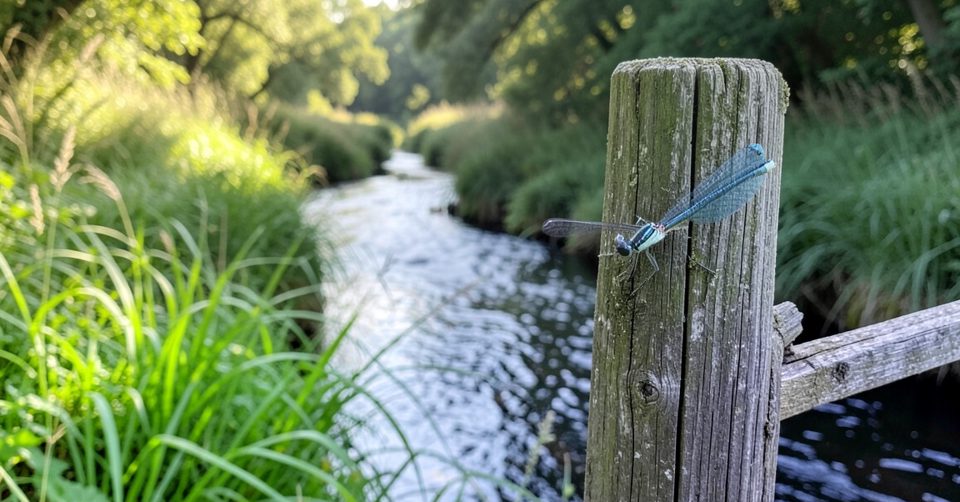
The scarce blue-tailed damselfly, reclassified from Near Threatened to Endangered, was recorded near the River Ash at Hertford after a 4.3-mile stretch was restored to its original course last year. The Herts and Middlesex Wildlife Trust said habitat restoration is vital to reversing declines. Monitoring also found an increase in river invertebrates, including mayflies and stoneflies.

 Illustration