Daily Summary of Business & Economy · Final editionWednesday 4 November 2026 · UTC
Business & Economy News: 4 November 2026
Dow rallies as oil falls and pound hits highest since Brexit referendum
US stocks rallied and oil prices fell after Democrats took both chambers, raising hopes for a quicker end to the Iran war. The pound reached its highest level since the Brexit referendum ahead of an expected Bank of England rate rise. Canva affected 22% of its workforce with job cuts, relocations or role changes as AI pressures hit the tech sector.
Figma shares fall 7% after earnings beat and AI cost worries
Figma shares fell 7% in extended trading after the company reported third-quarter revenue growth of about 43% and raised its full-year forecast. The design software firm narrowed its net loss to $81.3 million and lifted its 2026 revenue outlook to $1.497 billion to $1.499 billion, with fourth-quarter growth expected at about 33%. Investors focused on the cost of its AI models and agents, which are driving usage but proving expensive to deliver.
Snap shares fall over 10% on third-quarter revenue miss
Snap shares fell more than 10% after the company missed revenue and daily active user expectations in the third quarter. Sales rose 14% year over year, net income was $56 million, and adjusted earnings of $383 million topped estimates. The company guided fourth-quarter revenue to $1.95 billion to $1.99 billion and said it will make globally monthly active users its primary audience metric from the first quarter of 2027.
The pound reached its highest overall level since the Brexit referendum, with the Bank of England's 18-currency index at 86.4, where 100 equals the 2005 value. Sterling has risen against the euro and dollar ahead of an expected rate rise, with traders citing political stability, solid growth and a rapprochement with the EU. A stronger pound can help rein in inflation and boost consumer buying power on imports and holidays.
Qualcomm stock falls on weak forecast as memory costs hit smartphone sales
Qualcomm shares dropped 5% after the chipmaker issued a cautious earnings forecast, despite beating quarterly revenue estimates. The company warned that rising memory costs are forcing handset makers to raise prices, which has hurt demand. Automotive revenue surged 89% to $1.99 billion, while data center revenue reached $650 million.
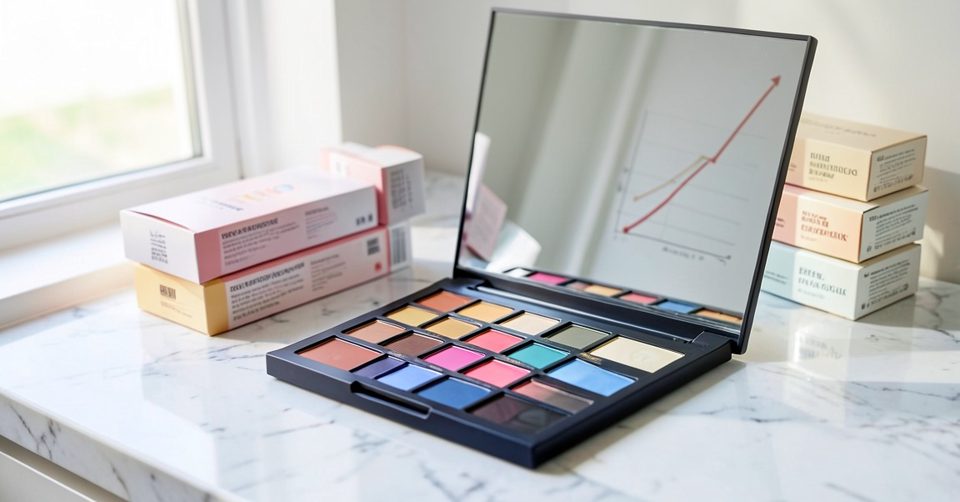
E.l.f. Beauty posts 51% sales jump and raises full-year guidance
E.l.f. Beauty reported a 51% increase in net sales for its second fiscal quarter, marking its 31st consecutive quarter of growth. The company raised its full-year net sales guidance to $2 billion to $2.03 billion and adjusted EBITDA to $421 million to $427 million. CEO Tarang Amin attributed the performance to strong results across all brands and channels.
Kraft Heinz to sell North American coffee unit for $650 million
Kraft Heinz will divest its North American coffee business, including Maxwell House and Gevalia, to One Rock Capital Partners in a $650 million deal. The company will retain a 30% stake and use $500 million in proceeds to pay down debt. The move is part of a broader strategy to refocus on core brands and accelerate growth.
SpaceX signs Qualcomm deal to build US mobile network infrastructure
SpaceX announced a multiyear partnership with Qualcomm to provide network technology for its Starlink Mobile service, challenging major US carriers. The deal involves using Qualcomm's Dragonwing hardware in base stations to complement satellite capabilities, with a rollout planned for next year. This move supports SpaceX's push into terrestrial cellular infrastructure.
Uber beats revenue estimates as freight division drives growth
Uber reported third-quarter revenue that topped analysts' estimates, driven by a 34% jump in its freight division. However, the company missed expectations in its core mobility and food delivery businesses, with mobility revenue falling 2%. Shares rose more than 7% as the CEO highlighted plans to invest in driverless vehicles and driver supply.
Private sector adds 86,000 jobs in October, slightly beating forecasts
ADP reported that private companies added 86,000 jobs in October, matching the revised September total and exceeding expectations of 75,000. Gains were led by trade, transportation, and utilities, while professional and business services shed 27,000 positions. The data suggests the labor market is stabilizing ahead of the official government report.
CVS Health announced it will separate its retail pharmacy business from its insurance and pharmacy benefit manager unit by the first half of 2028. The move reverses the 2018 acquisition of Aetna and follows a strategic review by the board. The insurance and PBM unit will retain the CVS Health name, while the pharmacy business will be called CVS Pharmacy.
US stocks rally as Democrats sweep midterms, lifting market sentiment
Wall Street opened higher after Democrats took control of both the Senate and the House, easing fears of political disorder. The S&P 500 and Nasdaq rose 1.1% while the Dow gained 1.9%, as investors welcomed President Trump's conciliatory tone. However, Tesla and SpaceX shares fell in premarket trading, and the dollar dropped to a one-month low.
Eurozone inflation rose to 4% in October, its highest level since September 2023, driven by a jump in energy prices to 20.8%. The flash estimate matched economist expectations and pushed markets to price in a higher probability of a European Central Bank rate hike in December. Italy recorded the largest monthly increase, with inflation jumping to 5.6%.
BMW reported an 11% fall in third-quarter pre-tax profit and warned that restructuring costs could push its core car business into an operating loss for the year. The company expects the car division's operating margin to be between -0.5% and +0.5%, down from a previous forecast of 1-3%. The profit warning comes as BMW faces intense competition from Chinese rivals and plans 8,000 job cuts in Germany.
Wingtech Technology rejected a proposal to restructure Dutch chipmaker Nexperia, calling it an expropriation driven by discrimination against Chinese investors. The plan would see Wingtech lose control of Nexperia's assets outside China. The dispute has escalated into a two-way legal battle, with Nexperia filing a €2 billion lawsuit against Wingtech in the Netherlands.
M&S profits bounce back to £355m after cyber-attack
Marks & Spencer reported half-year profits of £355m, a significant recovery from £3.4m a year earlier, though the company said the impact of last year's cyber-attack on clothing sales lasted longer than expected. Total sales rose 16.2% to £9.2bn, driven by strong performance in its food business. CEO Stuart Machin said the brand is in good health but that results fell short of their potential.
Novo raises full-year outlook as Wegovy pill sales top estimates
Danish drugmaker Novo reported third-quarter revenue of 79.2 billion Danish kroner, above estimates, and raised its full-year outlook to adjusted revenue and operating profit growth of negative 2% to 2% at constant exchange rates. Wegovy pill sales were 5.4 billion kroner, above the 4.5 billion expected. The result comes as Novo seeks momentum against Eli Lilly.
Chinese investors stay cautious as state support for stocks grows
Chinese investors stayed on the sidelines this week as Beijing added measures to support stocks. Leveraged traders trimmed holdings to a one-year low and new stock-account openings fell more than 30% in October. The central bank offered 100 billion yuan of liquidity support and reported over 200 billion yuan in buy-back quota applications. Banks said state intervention may steady sentiment but not fuel a rally without earnings gains.
Treasury yields fall as investors seek bonds after election sell-off
U.S. Treasury yields fell as investors sought shelter in bonds after equity futures dropped on Democratic midterm gains. The 10-year yield was 4.9291%, down 2 basis points; the 30-year was 5.3093%, down 1 basis point; the 2-year was 4.5996%, down 1 basis point. AI shares led declines on fears Democrats could slow data center buildout.
Highcrest Retail Brands, a major supplier to Poundland, said it would lose millions of pounds if the retailer goes bust. The company's sales director warned that smaller suppliers could also face insolvency if Poundland collapses. Poundland founder Steve Smith said up to 30,000 jobs could be lost and urged owner Gordon Brothers to accept a bid to keep the business solvent.


 Illustration