Iraq restarts Kirkuk Ceyhan pipeline
Iraq restarted the Kirkuk Ceyhan oil pipeline after 12 years, with initial pumping at 120,000 barrels per day. Baghdad then ordered federal control of Kurdish oilfields and border crossings, and protests followed as the Federal Supreme Court backed the move.
 Illustration
The story so far
On 18 November 2026, Iraq restarted oil flows through the Kirkuk Ceyhan pipeline for the first time in 12 years after technical and operational tests. The Oil Ministry said initial pumping was set at 120,000 barrels per day, with plans to increase gradually to 500,000. The route gives Iraq an alternative to southern terminals shipping through the Strait of Hormuz, where disruptions from the Iran war have constrained shipments.
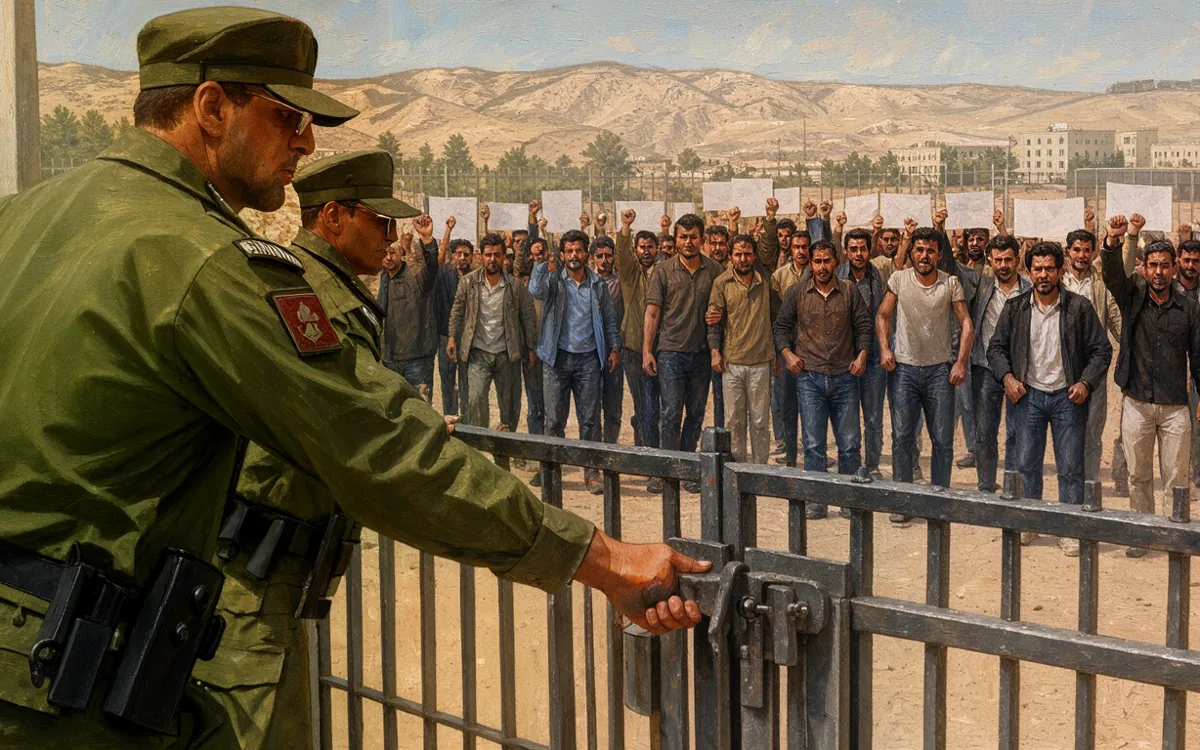
On 24 November 2026, Prime Minister Ali al-Zaidi ordered the federal Ministry of Oil to manage oilfields in Diyala, Kirkuk, Salahuddin and Nineveh provinces under Kurdish security control. He also ordered federal takeover of border crossings in the Kurdish region and said exports should be approved only through Baghdad. Kurdish regional Prime Minister Masrour Barzani called the move completely unacceptable. Large protests followed in Irbil and other towns, and Iraq's Federal Supreme Court backed the move. Border forces closed the Waleed and Bashta border crossings with Syria and Iran.
Latest updates
3 updates · newest first- 26 Nov
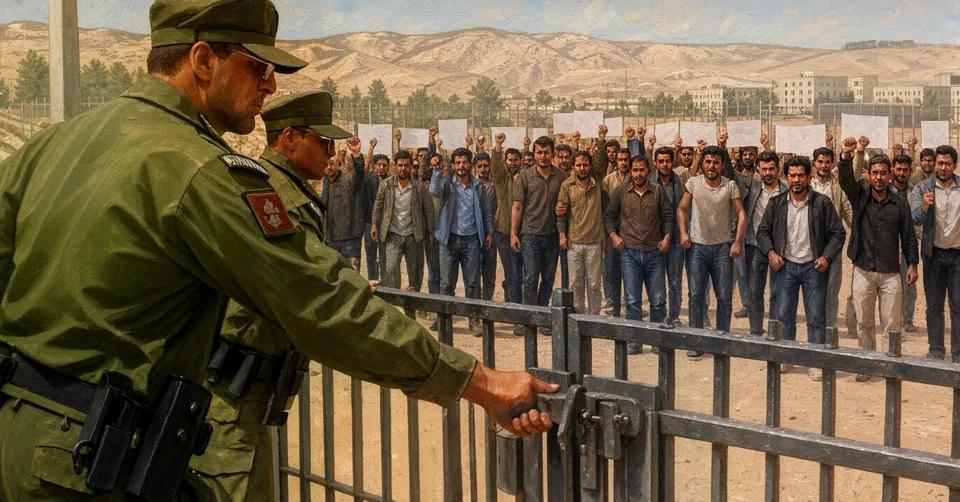 Illustration New development
Kurdish protests erupt as Iraq takes control of oil and borders
Large protests in Irbil and other towns followed Baghdad's plans to take over oil operations and border crossings previously run by Kurdish authorities. Iraq's Federal Supreme Court backed the move, and border forces closed the Waleed and Bashta border crossings with Syria and Iran. The Kurdish regional government said the decisions violate the constitution and seek to return Iraq to a centralized regime.
DW ↗
Middle East Eye ↗
- 24 Nov
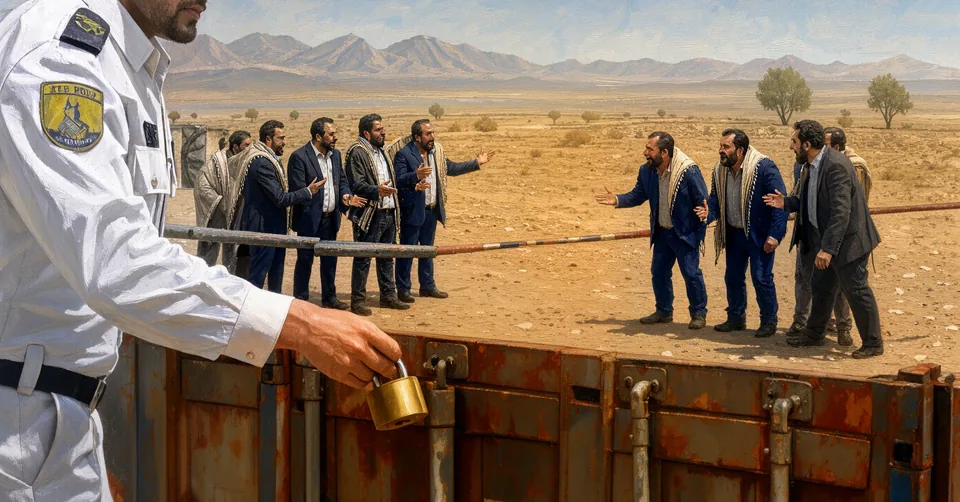 Illustration New development
Iraq orders federal control of Kurdish oilfields and crossings
Iraqi Prime Minister Ali al-Zaidi ordered the federal Ministry of Oil to manage oilfields in Diyala, Kirkuk, Salahuddin and Nineveh provinces under Kurdish security control. He also ordered federal takeover of border crossings in the Kurdish region and said exports should be approved only through Baghdad. Kurdish regional Prime Minister Masrour Barzani called the move completely unacceptable, saying it went against talks with Baghdad.
Al Jazeera ↗
- 18 Nov
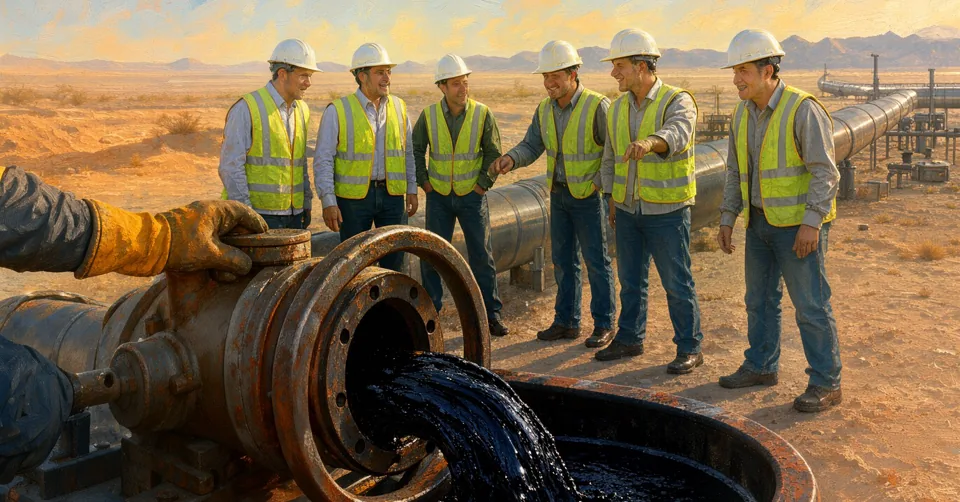 Illustration New development
Iraq restarts Kirkuk Ceyhan oil pipeline after 12 years
Iraq restarted oil flows through the Kirkuk Ceyhan pipeline on Tuesday for the first time in 12 years, after technical and operational tests. The Oil Ministry said initial pumping was set at 120,000 barrels per day, with plans to increase gradually to 500,000. The route gives Iraq an alternative to southern terminals shipping through the Strait of Hormuz, where disruptions from the Iran war have constrained shipments.
Euronews ↗