Bangladesh garment worker wage protests
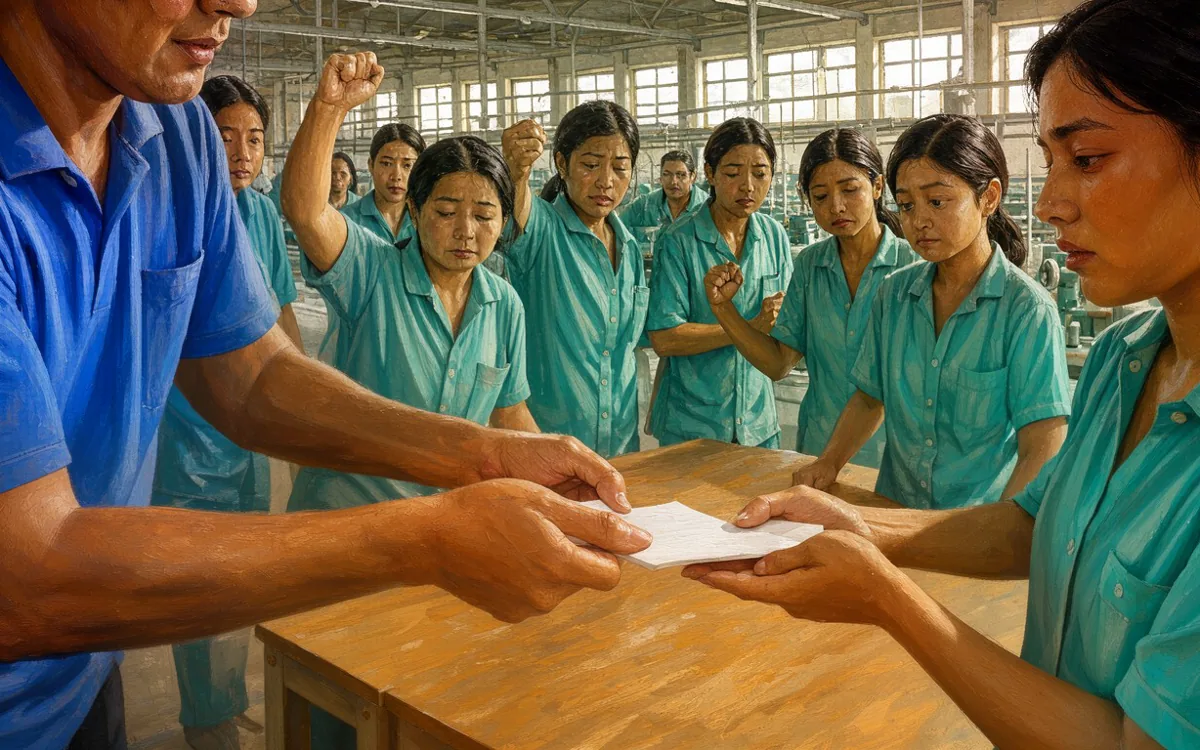
Bangladesh raised the minimum wage for entry-level garment workers to 17,000 takas after weeks of violent protests. The new rate is a 36 percent increase but falls short of the 30,000 takas demanded by workers.
 Illustration
The story so far
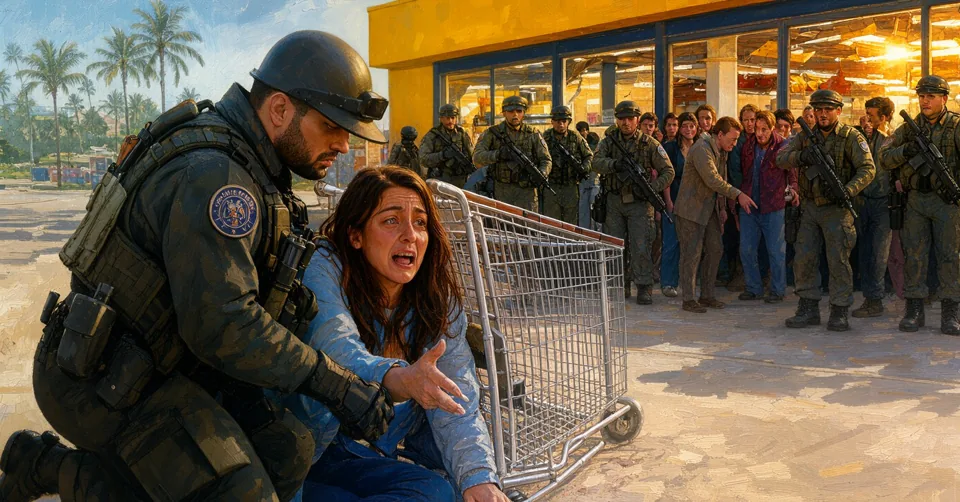
On November 17, police fired tear gas and stun grenades at thousands of garment workers in Bangladesh after a wage board meeting was postponed. Protesters blocked a main highway linking Dhaka and Mymensingh, demanding a minimum monthly wage of 30,000 taka. At that time, about 500 of 4,500 factories were shut.
The following day, clashes continued as about 20,000 protesters blocked a highway in Savar. Violence spread to Ashulia and Gazipur, with workers citing inflation as a reason for their demands. The unrest closed factories and disrupted an export industry worth about $40 billion a year.
By November 25, a government-appointed wage board approved a new minimum wage of 17,000 takas in a 4-2 vote. This represented a 36 percent increase from the previous rate of 12,500 takas. The decision came after significant production disruptions in the garment industry, which accounts for 80 percent of the country's exports.
Latest updates
3 updates · newest first- 25 Nov
 Illustration New development
Bangladesh raises garment worker minimum wage by 36 percent
Bangladesh raised the minimum monthly wage for entry-level garment workers to 17,000 takas, a 36 percent increase, following weeks of violent protests. A government-appointed wage board approved the new rate in a 4-2 vote, though it fell short of the 30,000 takas demanded by protesters. The garment industry, which accounts for 80 percent of the country's exports, had seen significant production disruptions during the strikes.
ABC News ↗
Al Jazeera ↗
- 18 Nov
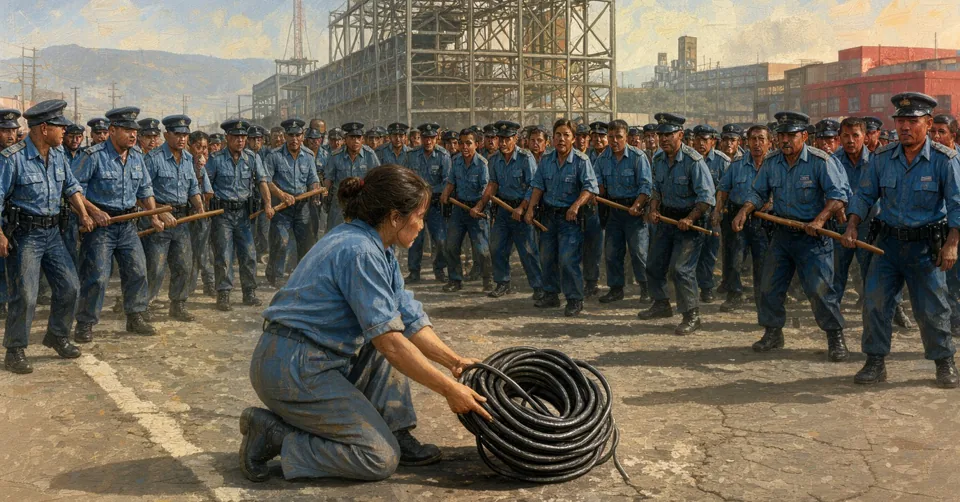 Illustration New development
Bangladesh police clash with garment workers over minimum wages
Police in Bangladesh clashed with thousands of garment workers demanding higher minimum wages, with about 20,000 protesters blocking a highway in Savar and violence spreading to Ashulia and Gazipur. Workers are seeking a monthly minimum wage of 30,000 takas, up from 12,500, saying inflation has eroded their pay. The unrest has closed factories and disrupted an export industry worth about $40 billion a year.
Euronews ↗
- 17 Nov
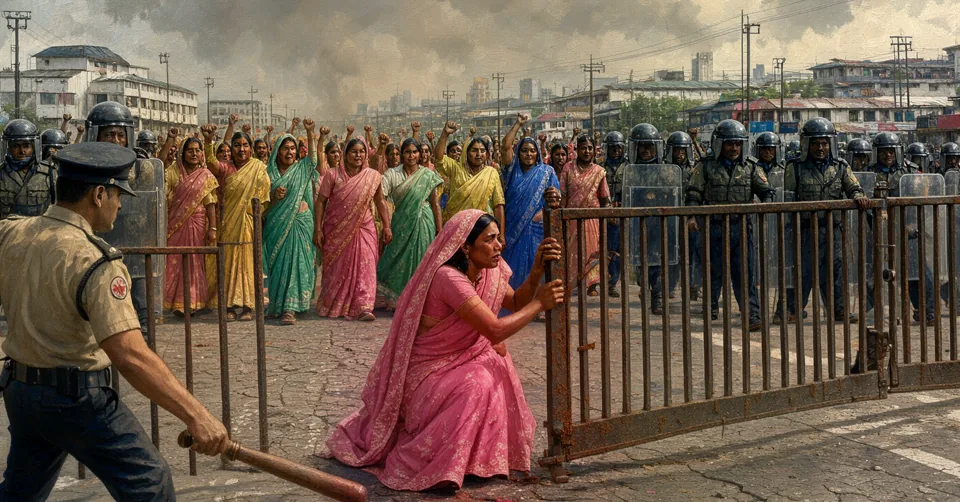 Illustration New development
Bangladesh garment workers protest after wage board meeting postponed
Police fired tear gas and stun grenades at thousands of garment workers in Bangladesh after a wage board meeting was postponed, with protesters blocking a main highway linking Dhaka and Mymensingh. Workers demand a minimum monthly wage of 30,000 taka, about $240, a 140 percent increase from 12,500 taka, and about 500 of 4,500 factories are shut. Bangladesh is the world's second largest garment exporter behind China.